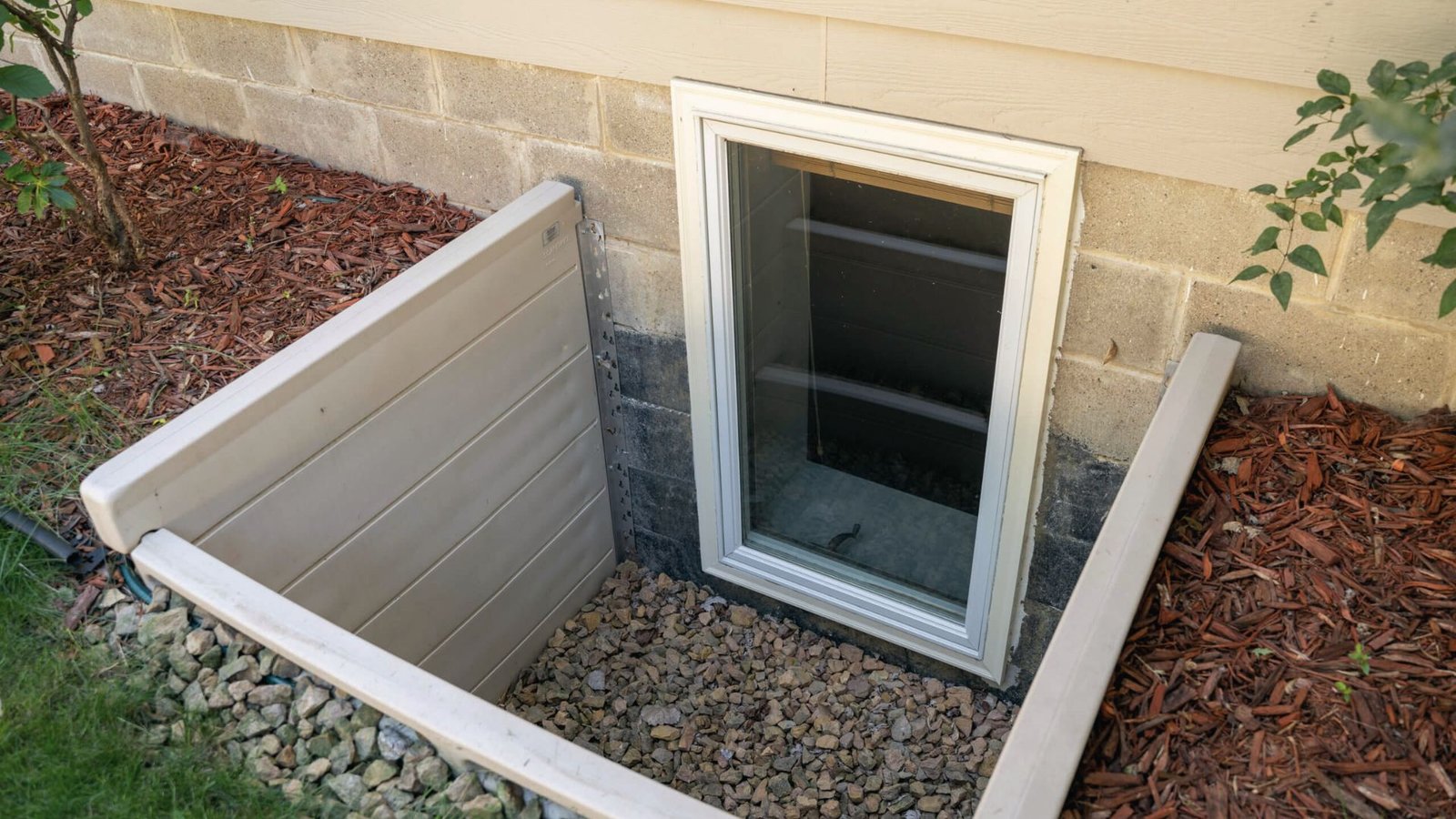
I remember standing in my basement, staring at a cracked, leaking window, wondering if I could actually fix it myself.
Spoiler, I did, and so can you. This guide walks you through exactly how to install a basement window the right way, from start to finish.
You will learn how to remove the old window, prep the rough opening, and seal everything properly so water stays out.
We cover the right tools, materials, common mistakes, and clear step-by-step instructions. I have done this myself, and I will only share what actually works.
No fluff. Just real, practical steps that save you money and get the job done right.
Why Homeowners Choose to Install Basement Window Themselves
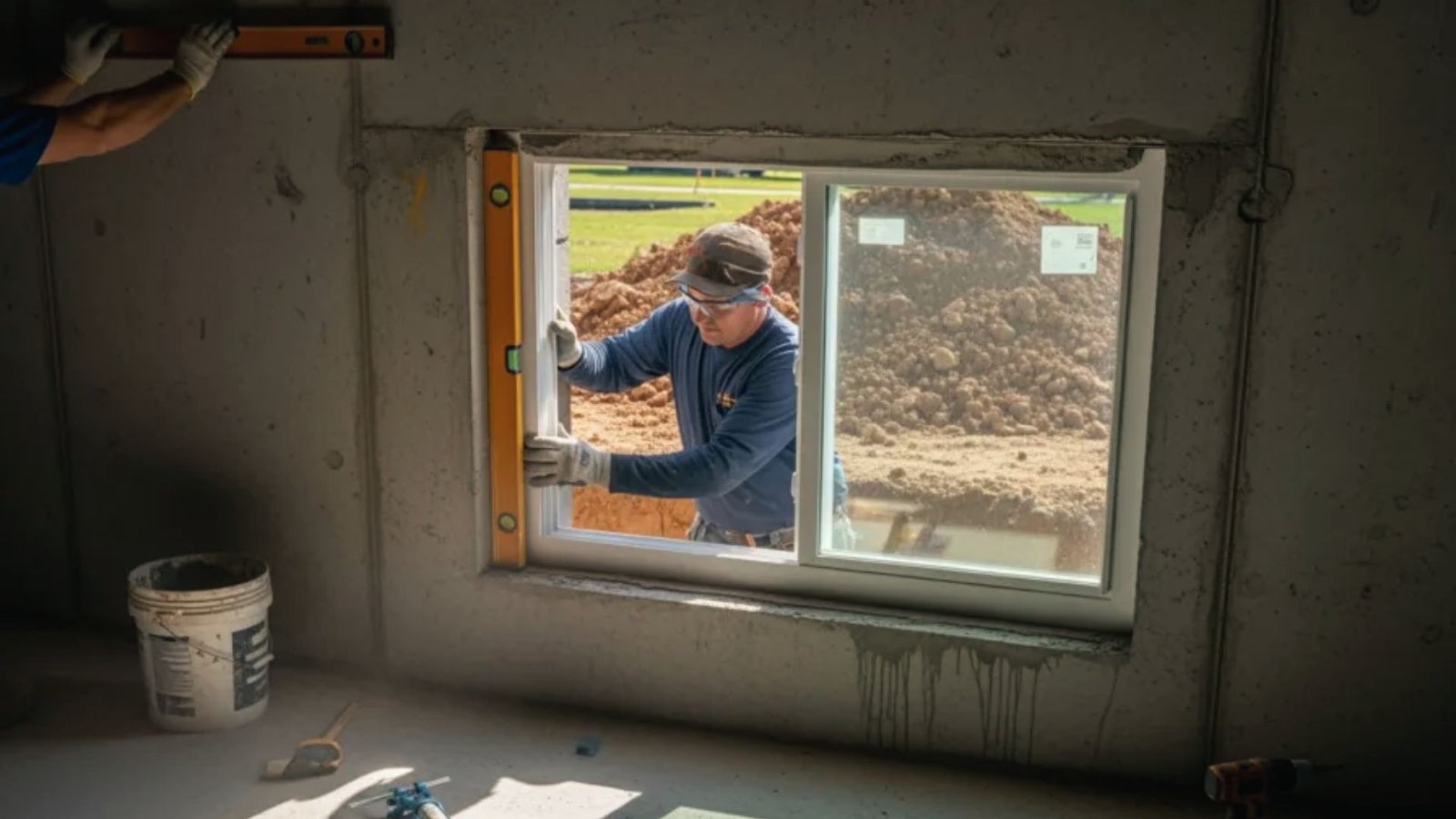
Hiring a contractor to install a basement window can cost hundreds of dollars.
That's why many homeowners choose to handle it themselves. With the right tools and a clear plan, it is a manageable weekend project.
Replacing an old basement window makes a real difference. A worn-out window lets in cold air, moisture, and even pests.
A new one improves energy efficiency, indoor air quality, and overall comfort.
This guide walks you through everything, from prep work and tools to removal, step-by-step installation, window well covers, and fixes for common problems.
Follow each step carefully, and you will get solid, lasting results without hiring anyone.
Things to Know Before You Install Basement Window
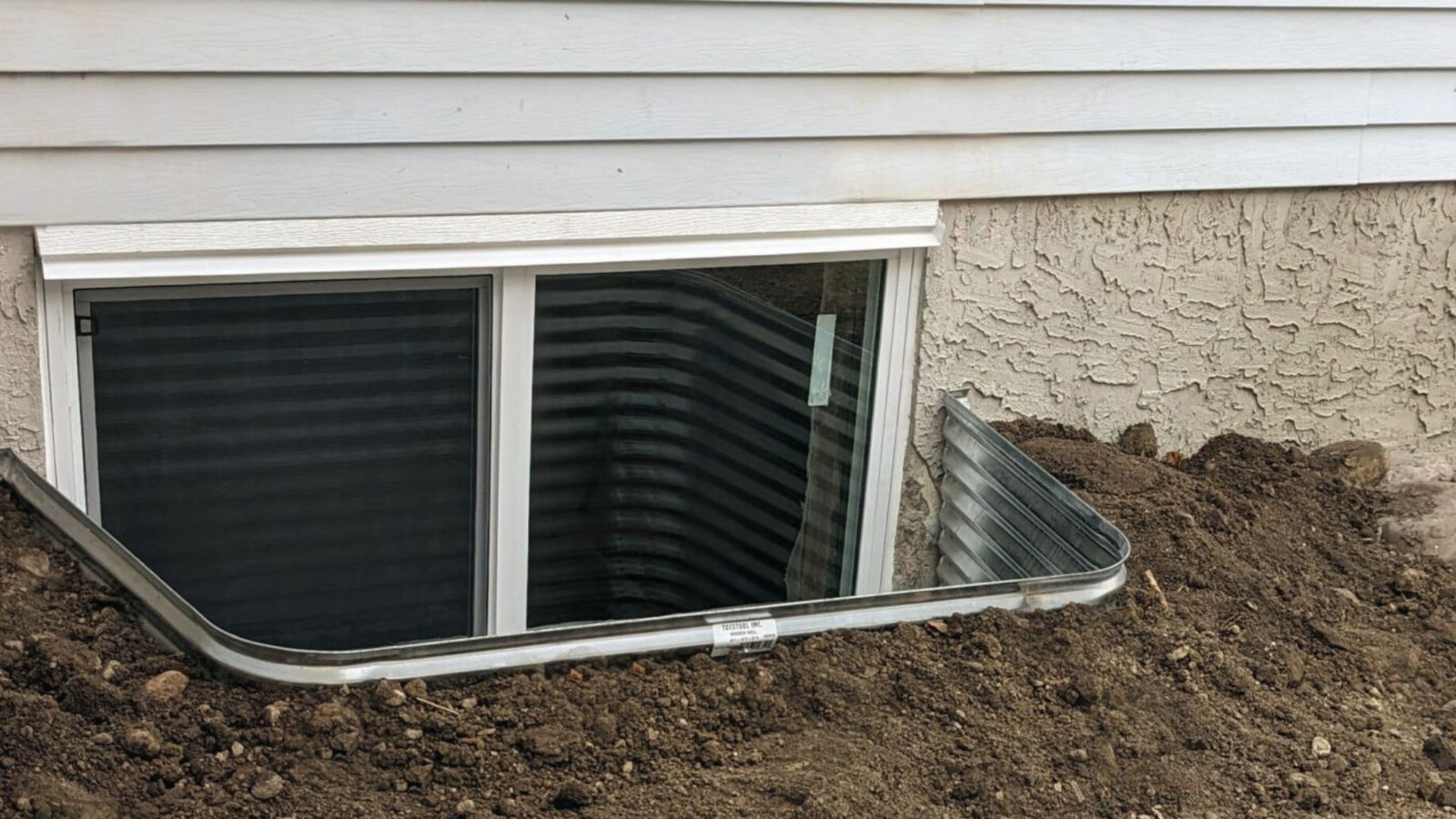
Before you start, a few key details will save you time and prevent costly mistakes.
Signs Your Basement Window Needs Replacement
Look for cracks in the frame, foggy glass, rust, hard operation, water stains around the window, or cold drafts. These are clear signs it is time for a new window.
Best Types of Basement Windows for DIY Installation
Hopper windows are the most common choice. They open inward from the top and are easy to install. Slider windows and awning windows also work well in basements.
Egress vs Non-Egress Basement Windows
Egress windows are large enough to use as emergency exits. They are required in bedrooms by most building codes. Non-egress windows are smaller and are used for light and ventilation only.
How to Measure a Basement Window Opening Correctly
Measure the width and height of the rough opening at three points each. Use the smallest measurement. This gives you the right window size without a forced fit.
Common Basement Window Installation Mistakes to Avoid
Skipping the flashing tape, not shimming properly, and using the wrong foam are the top mistakes. Always check for level and square before sealing.
Tools and Materials Needed to Install Basement Window
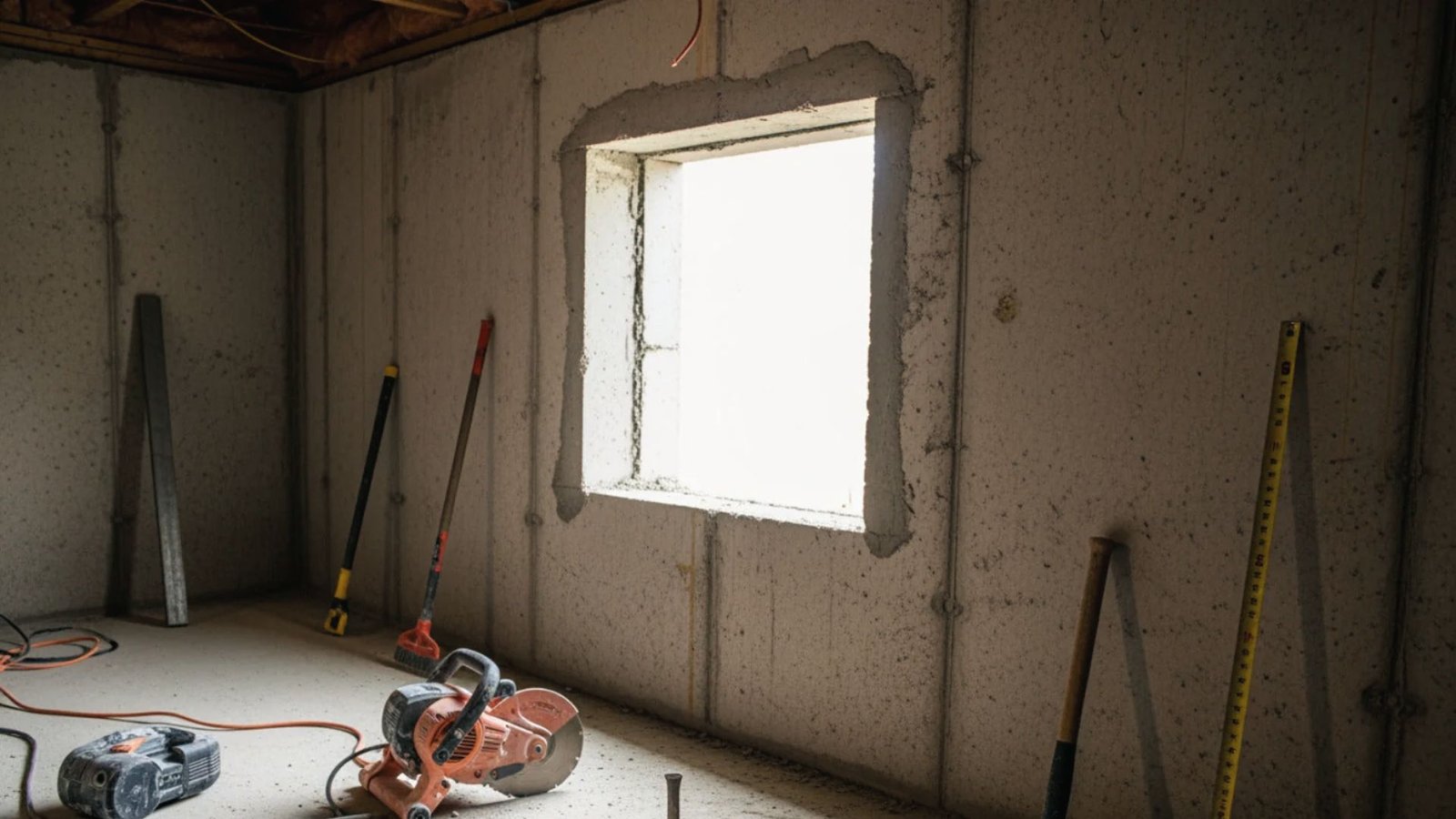
Having the right tools ready before you start makes the whole process faster and safer.
Important DIY Tools for Basement Window Installation
You will need a pry bar, utility knife, hammer, drill, level, tape measure, caulking gun, and safety glasses. A reciprocating saw helps if you are cutting through wood or old caulk.
Materials Required for a Secure and Waterproof Fit
Pick up flashing tape, window and door spray foam, exterior caulk, shims, screws, and a drip cap. These materials keep water out and hold the window firmly in place.
Safety Tips Before Starting the Project
Wear gloves and eye protection. Make sure the area is dry before you start. If the window is on a concrete wall, wear a dust mask when cutting or chiseling.
How to Remove and Prepare the Old Basement Window Opening
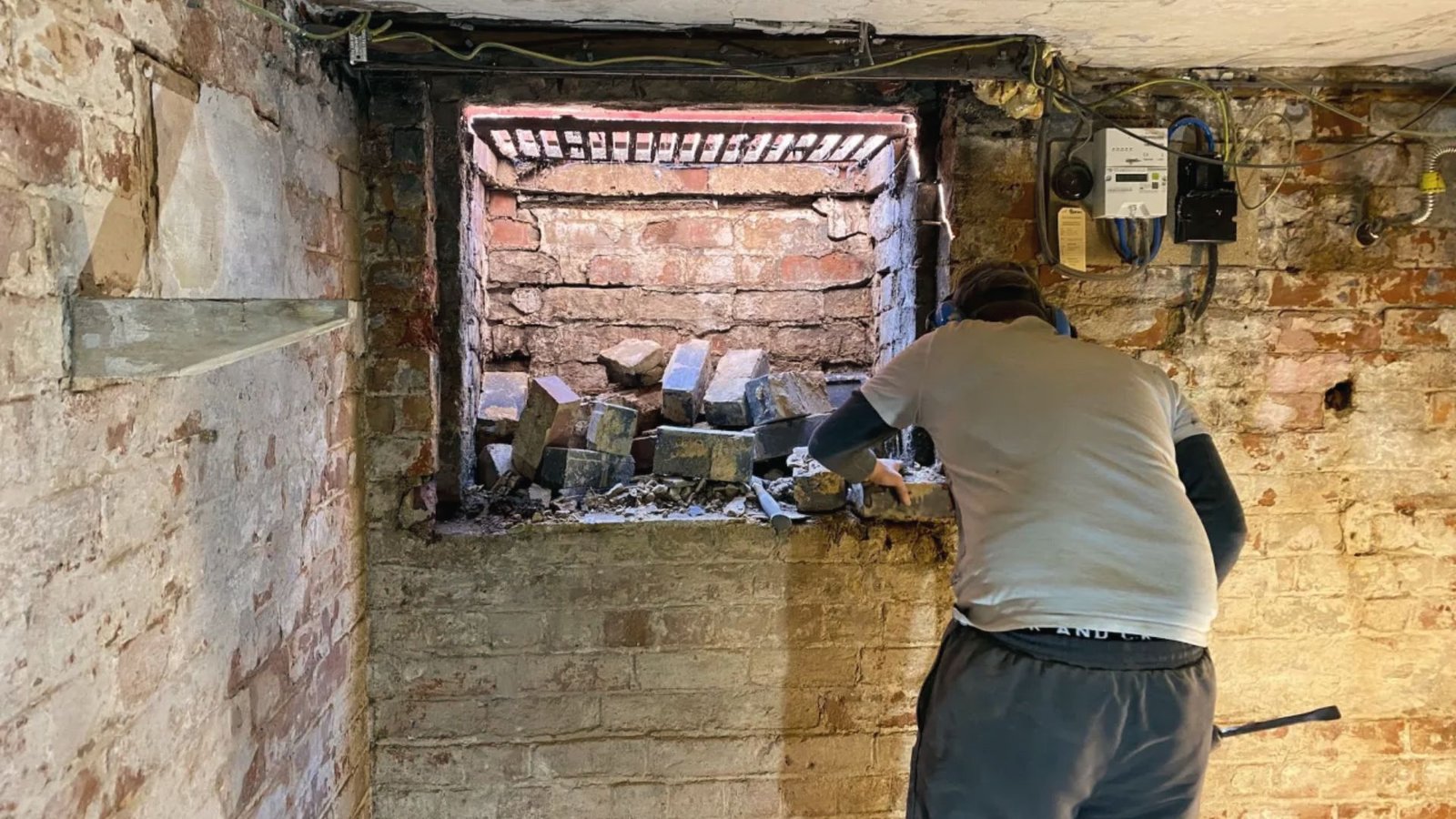
A clean, well-prepped opening is the foundation of a good installation.
Removing Interior Trim and Window Sash
Use a utility knife to score the caulk around the trim. Then use a pry bar to gently remove the interior trim. Take out the window sash by lifting it out of the frame.
Taking Out the Old Basement Window Frame
Cut through any screws or nails holding the frame. Pry the frame out carefully. In concrete openings, you may need to chip away old mortar or anchors.
Cleaning and Repairing the Rough Opening
Remove all old caulk, foam, and debris. Check for rot or cracks. Repair any damaged wood or concrete before moving forward.
Applying Flashing Tape Before Installation
Apply flashing tape to the sill and sides of the rough opening. This is your first layer of waterproofing. Overlap the tape at corners.
How to Make the Opening Level and Square
Use a level to check all four sides. Add shims where needed to get a flat, square surface. A level opening makes the rest of the job much easier.
Common Problems When You Install Basement Window
Even careful installs can have issues. Here is how to fix the most common ones.
- Fixing Gaps. Fill small gaps with a backer rod and caulk. For larger gaps, add shims or foam before caulking.
- Preventing Drafts and Leaks. Press all flashing tape seams flat. Check foam for voids and re-caulk any cracked outside seams.
- Hard-to-Open Window. This usually happens due to wrong shimming or tight screws. Loosen the screws slightly and re-shim the frame.
- Uneven Installation. Remove screws on the high side, adjust shims, re-check with a level, then re-drive the screws correctly.
- Re-Sealing Signs. Watch for foggy glass, peeling caulk, water stains, or cracked sealant. Re-seal early to avoid water damage.
How to Install Basement Window
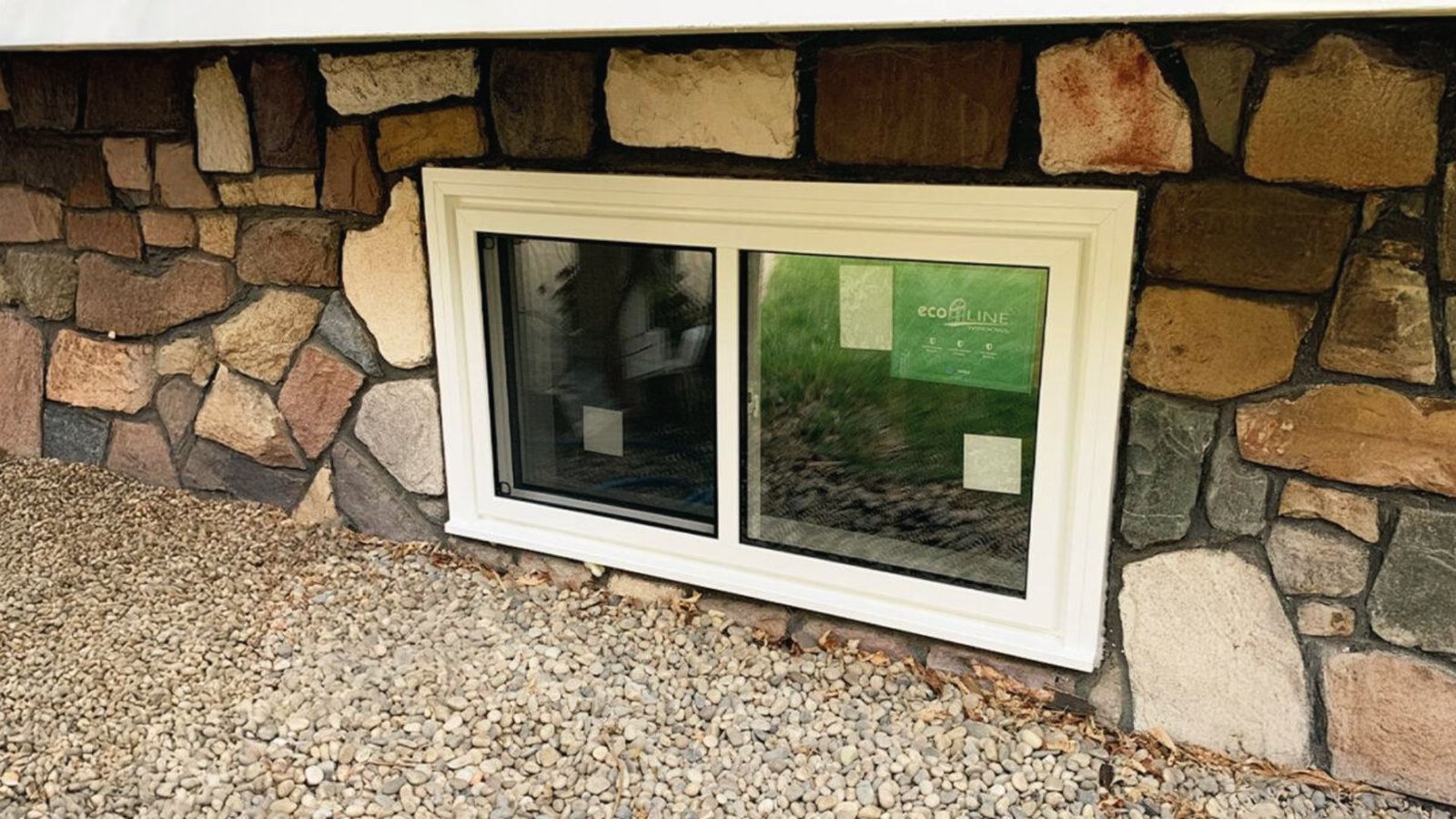
Follow these steps carefully and you will have a properly fitted, sealed window that lasts for years.
Dry Fitting the New Basement Window
Place the new window in the opening without fastening it. Check the fit. There should be a small gap on all sides for shims and foam.
Using Shims to Position the Window Properly
Slide shims under and beside the window to center it in the opening. Adjust until the window sits level and plumb.
Securing the Window Frame in Place
Drive screws through the frame into the rough opening or concrete anchors. Do not overtighten. Check level and plumb again after each screw.
Checking for Level, Plumb, and Square
Use a level on all sides. Check the diagonals with a tape measure. Both diagonal measurements should be equal for a square fit.
Sealing the Window With Flashing Tape
Apply flashing tape over the nailing flange or frame edges. Press firmly to seal out water. Cover all exposed edges at the top and sides.
Using Spray Foam Insulation Around the Window
Fill the gap between the window frame and rough opening with window and door spray foam. Do not use standard expanding foam as it can warp the frame. Let it cure fully before trimming.
Testing the Basement Window After Installation
Open and close the window several times. Check the latch. Look for any gaps, drafts, or movement. Apply exterior caulk around the outer edge to finish the seal.
Tips for a Successful Basement Window Installation
Small habits make a big difference in how long your installation holds up.
- Double-check every measurement before cutting or ordering your window
- Use window and door spray foam only, not regular expanding foam
- Never skip flashing tape and caulking, even if the fit looks tight
- Work slowly and carefully when near concrete or block foundations
- Know when to call a professional, especially for egress windows or large concrete cuts
Conclusion
I hope this guide gives you the confidence to take on this project. When I installed my first basement window, I made a few mistakes along the way.
But once it was done, the difference in comfort was worth every bit of effort. You can do this too.
Take your time, follow each step, and do not rush the sealing process.
If this guide helped you, leave a comment below and share it with someone who needs it. Check out our other DIY basement guides for your next project.
Frequently Asked Questions
How hard is it to install a basement window yourself?
It is a manageable DIY project for most homeowners. With the right tools and careful prep work, it can be done in a few hours over a weekend.
Can you install basement windows on concrete walls?
Yes, you can. You will need concrete anchors and possibly a hammer drill. Some openings may need minor chiseling to fit the new window frame properly.
How long does basement window installation take?
A single window usually takes two to four hours. If the opening needs repairs or the old frame is hard to remove, it may take a full day.
What is the best basement window for energy efficiency?
Double-pane vinyl windows with low-E glass are the top choice. They block heat transfer, reduce drafts, and hold up well against moisture.
Do basement windows need flashing tape?
Yes, always. Flashing tape is your first line of defense against water getting in around the frame. Skipping it often leads to leaks and rot over time.