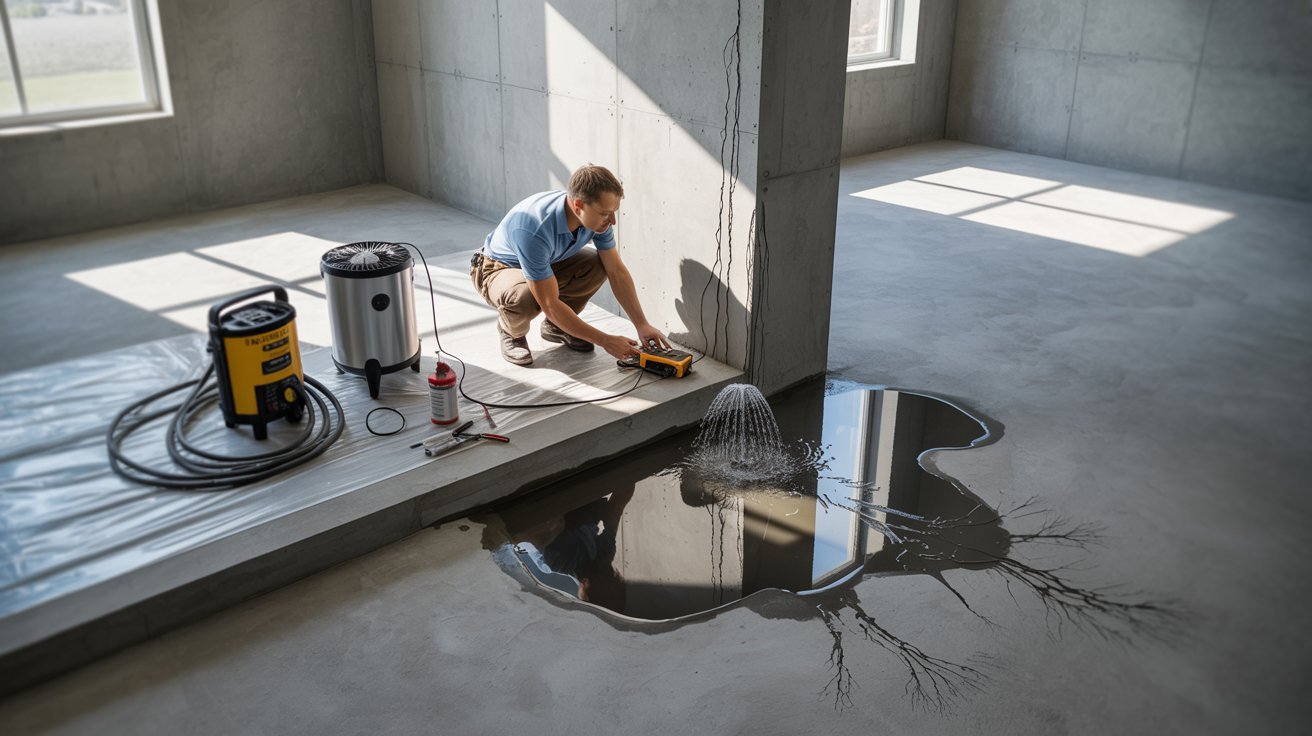
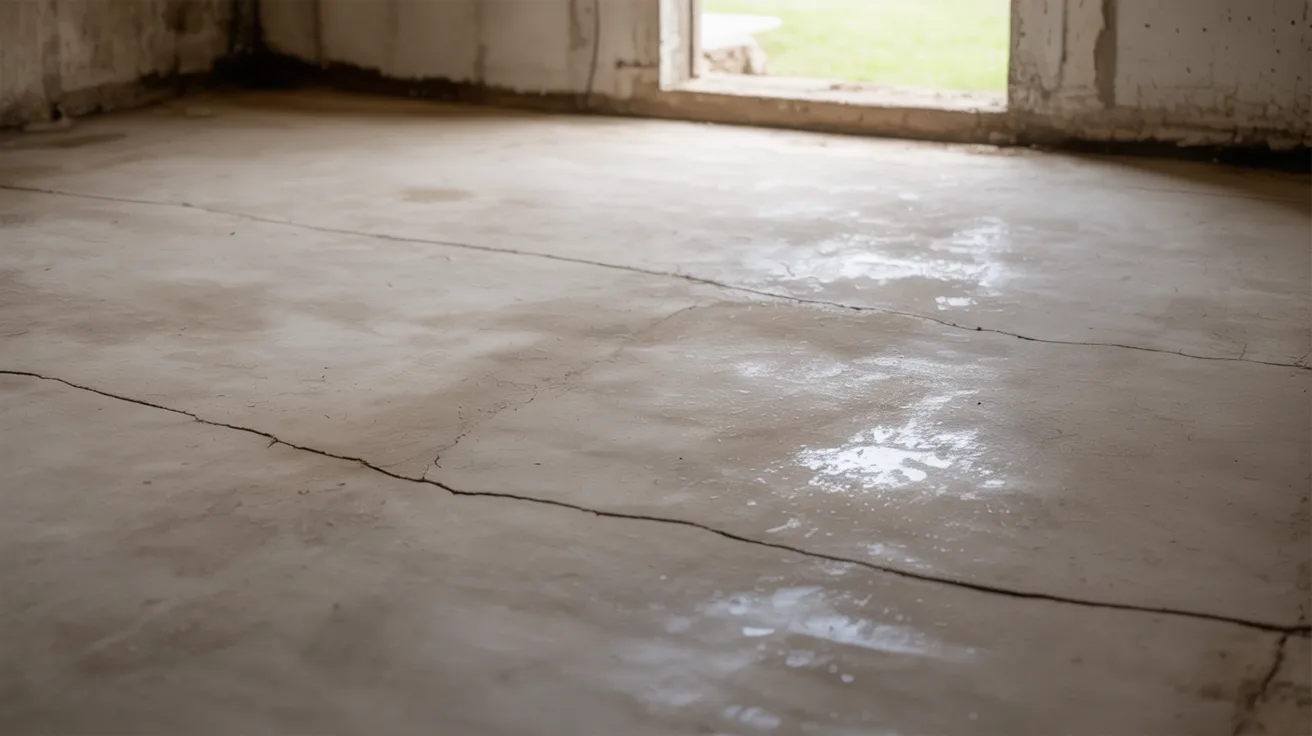
Bowing basement walls is a serious problem. I've seen homeowners ignore small cracks, only to face costly repairs later. This article covers bowing basement wall repair expert fix strategies that actually work.
You'll learn why walls bow, how experts assess the damage, the best repair methods including anchors, bracing, and reinforcement, and how to prevent it from happening again.
I'll walk you through everything in simple terms. No confusing jargon. Just clear, honest advice you can act on.
With years of experience in foundation repair, I know what works and what doesn't. Let's get into it before a small problem becomes a big one.
Understanding the Root Causes of Bowing Basement Walls
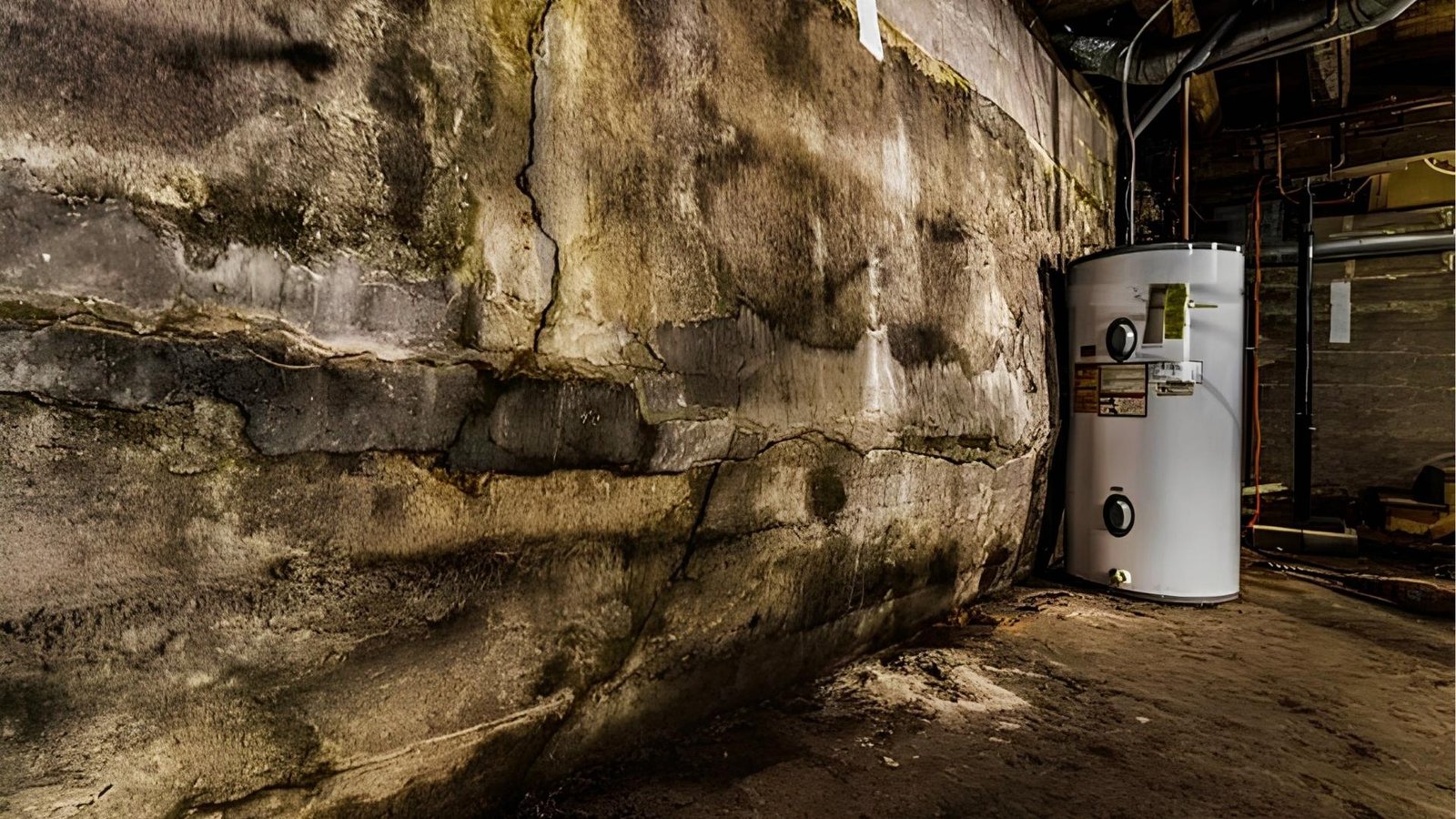
Knowing why walls bow helps you choose the right fix and avoid the same problem again. Expansive clay soil is one of the biggest culprits.
When it absorbs water, it swells and pushes hard against your basement walls. Waterlogged soil also builds hydrostatic pressure, acting like a constant outward force against the foundation.
In colder climates, soil freezes and thaws each season, shifting slightly every cycle and stressing the wall over time.
On top of that, heavy vehicles, large trees, or structures built close to the foundation add extra weight to surrounding soil, increasing the pressure your basement walls have to handle daily.
How Experts Assess Bowing Basement Wall Damage
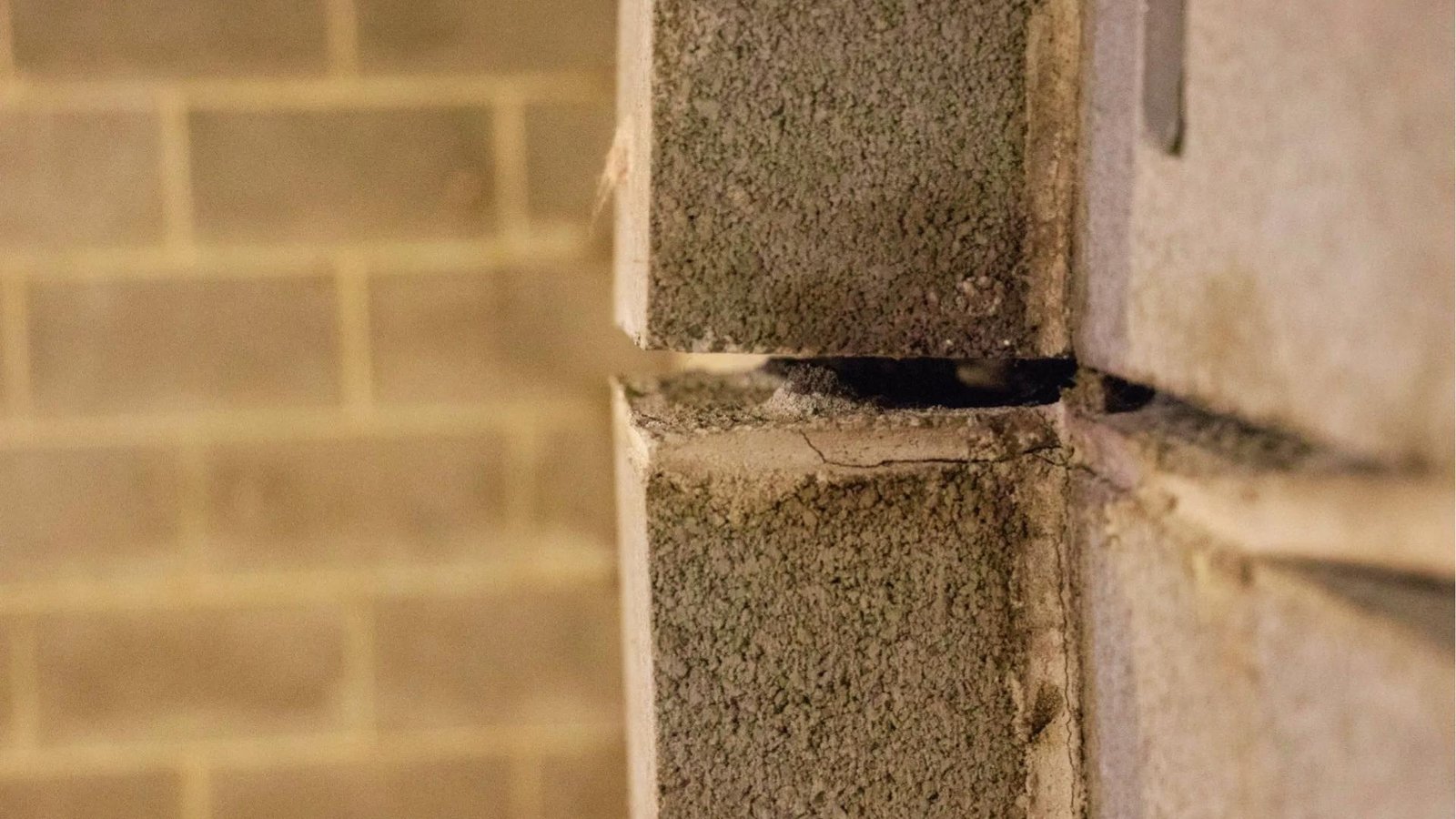
Proper assessment is the first step before any repair work begins.
Structural Inspection Methods
Professionals measure how far the wall has moved inward. They check crack patterns, look for horizontal cracks near the middle of the wall, and note any shifting at joints or corners.
Severity Classification
Damage is usually grouped into three levels
- Minor: Less than 1 inch of inward movement
- Moderate: 1 to 2 inches of movement with visible cracking
- Severe: More than 2 inches with risk of collapse
Risk Assessment for Collapse
Severe bowing can lead to wall failure. Experts identify immediate safety risks and recommend urgent action when needed. This step is not optional.
Wall Anchor Systems as Expert Fix Strategies
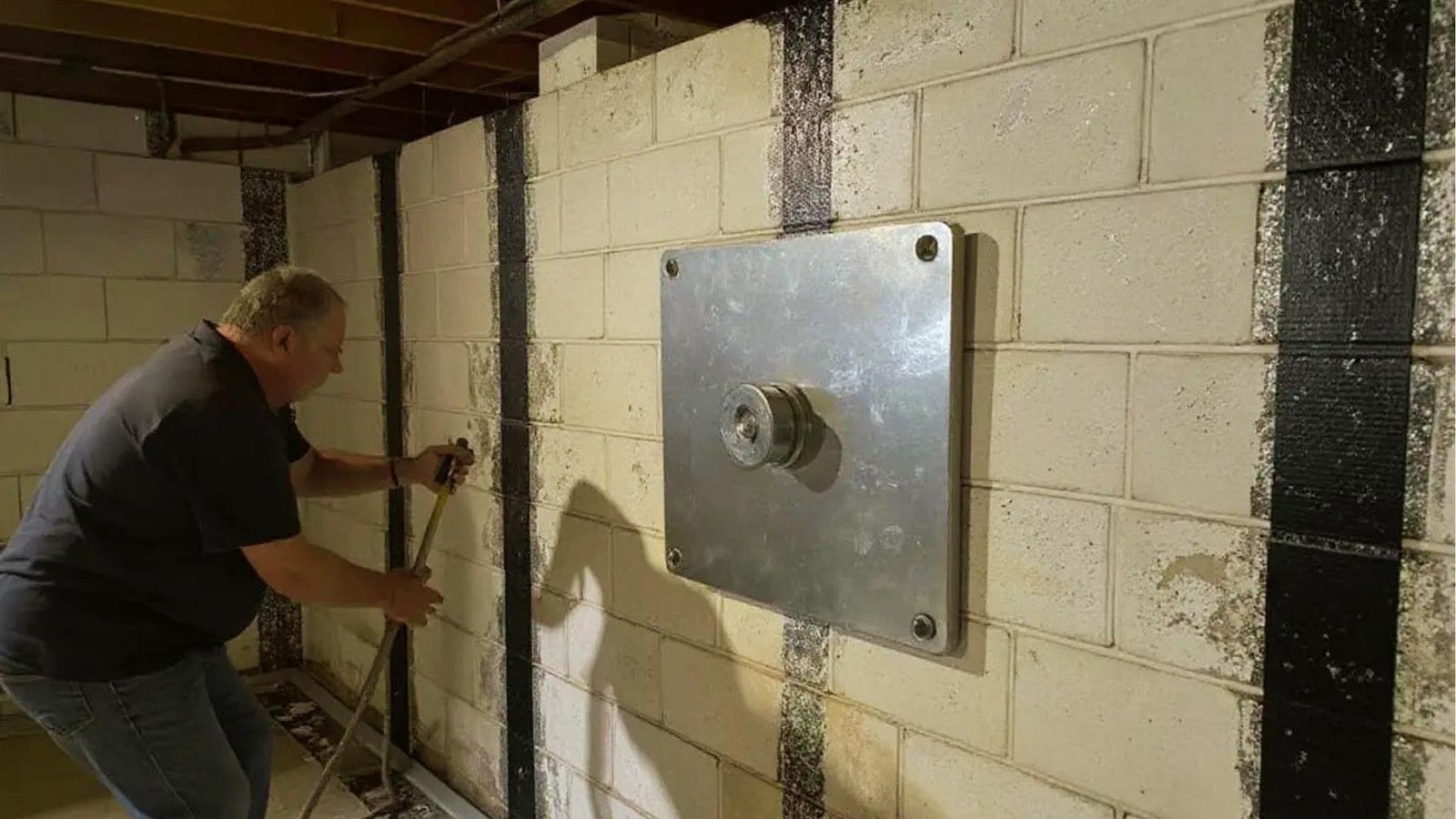
Wall anchors are one of the most reliable methods to stop and reverse bowing.
C-Channel Wall Anchors
These are steel plates installed inside the basement and connected to a plate buried in the soil outside. They are ideal for moderate bowing.
Installed at regular intervals, they hold the wall in place and allow gradual tightening over time.
Helical Tie-Back Anchors
These work well for severe inward movement. Steel rods are drilled through the wall and into stable soil outside. The anchors grip the soil firmly and pull the wall back into place.
Some excavation may be needed on the exterior.
Wall Plate Anchor Systems
A steel plate is placed inside against the wall, and another is placed in the soil outside. A rod connects both.
This system spreads pressure over a larger area and works well in soil with enough space from the foundation.
Structural Bracing Solutions for Long-Term Stability
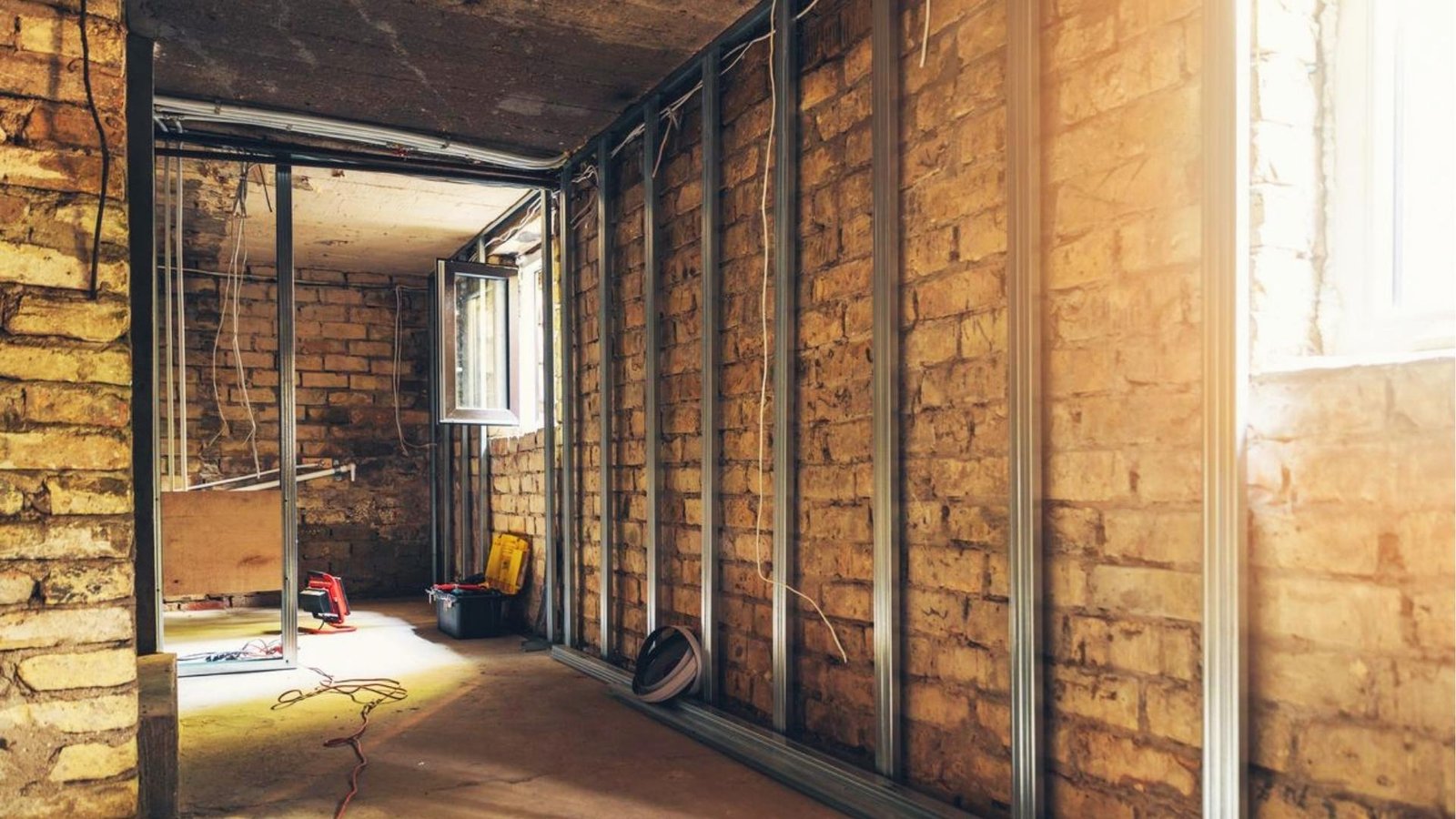
Bracing keeps walls from moving further and supports them while repair takes effect.
Steel I-Beam Reinforcement
Steel I-beams are installed vertically along the inside of the basement wall. They connect to the floor and ceiling joists above. No exterior digging is needed.
Over time, the beams can be adjusted to gradually push the wall back to its original position.
Carbon Fiber Wall Straps
Carbon fiber straps are bonded directly to the wall surface. They are thin, strong, and do not take up much space. Installation is fast and clean.
Important note: Carbon fiber stabilizes the wall but does not straighten it. Use it when the wall is not yet significantly bowed.
Choosing the Right Expert Repair Strategy
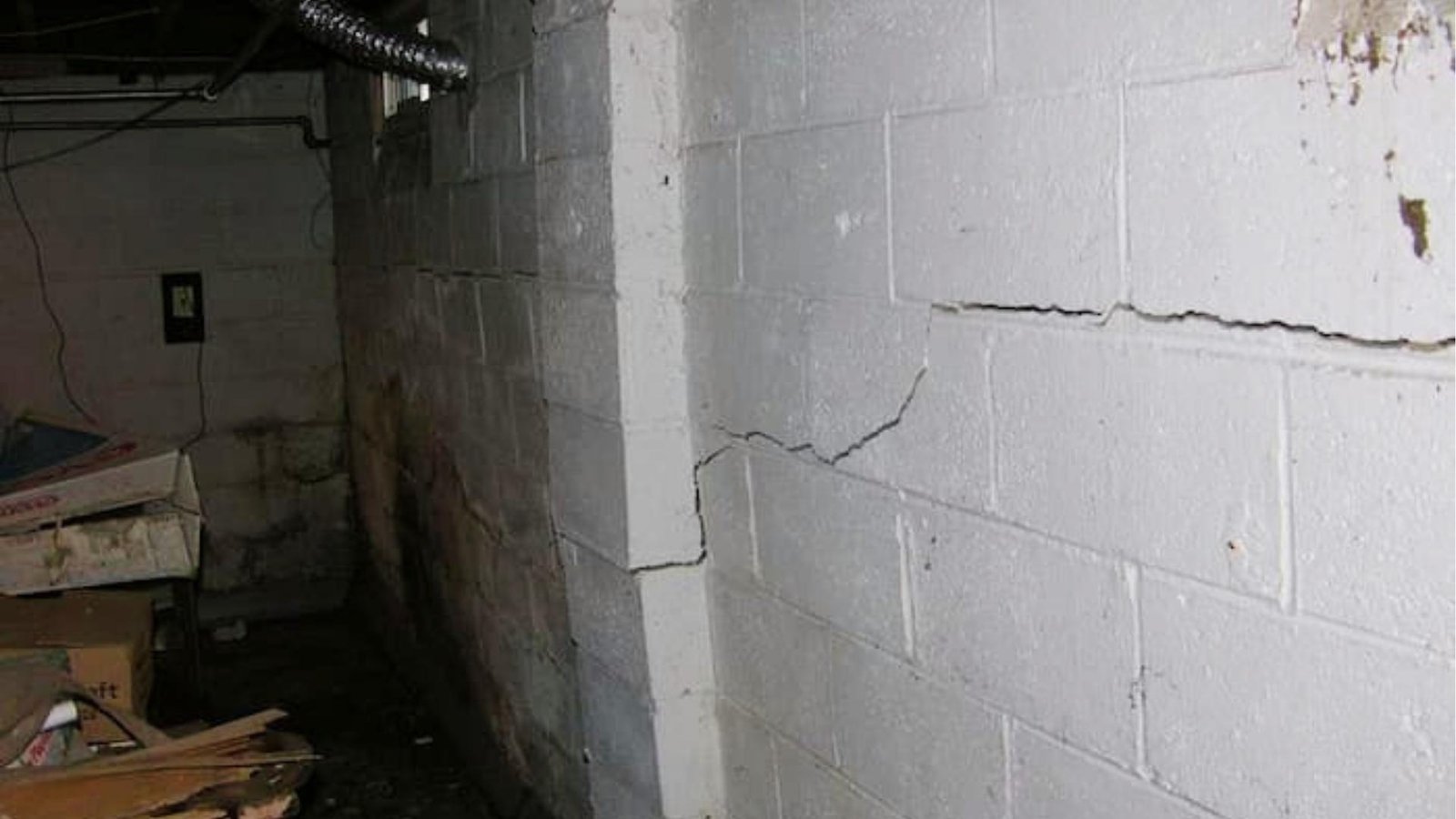
The best repair depends on your specific situation, not a one-size-fits-all approach.
Key Decision Factors
Several things affect which repair method is right
- Severity of bowing: Minor cases may need only carbon fiber straps
- Wall material: Block walls and poured concrete walls respond differently to repair
- Soil and drainage conditions: Wet or expansive soil changes the approach
- Accessibility: Some systems require exterior space for installation
Why Professional Evaluation Matters
A professional inspection ensures you pick the right system. Choosing the wrong method can make things worse.
A structural engineer or foundation specialist will assess all factors before recommending a solution.
Preventive Measures to Avoid Future Wall Bowing
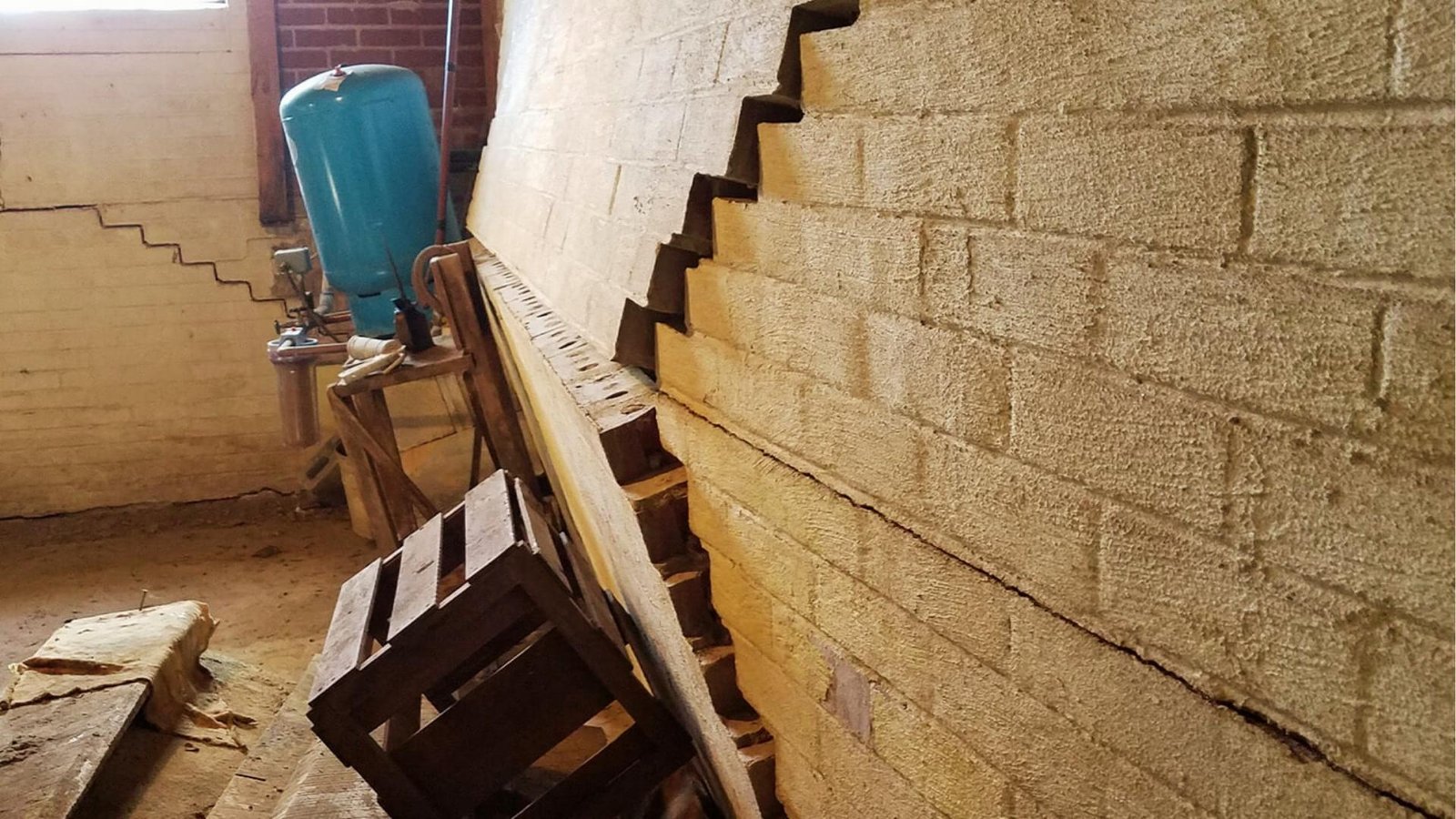
Prevention is far cheaper than repair. Small steps now can save thousands later.
Improve Drainage Systems
Make sure gutters direct water away from the foundation. Install downspout extensions if needed. French drains can also redirect groundwater away from the wall.
Control Soil Moisture
Avoid overwatering plants close to the foundation. Excess moisture in the soil raises hydrostatic pressure. Consistent moisture control reduces stress on the wall.
Maintain Proper Grading
The ground around your home should slope away from the foundation. Even a slight slope helps water drain naturally and keeps soil from becoming saturated near the walls.
Early Crack Monitoring
Check your basement walls a few times a year. Mark any cracks with tape and a date. If they grow, call a professional. Small cracks are far cheaper to fix than large structural failures.
Tips for Homeowners Dealing with Bowing Walls
Small actions taken early can prevent big problems down the road.
- Do not ignore early signs. Small bowing gets worse over time. Even one inch of inward movement needs professional attention right away.
- Keep heavy items away. Avoid placing heavy vehicles, equipment, or objects near foundation walls. Extra weight increases soil pressure significantly.
- Call a professional early. At the first sign of cracking, especially horizontal cracks, get an expert inspection before damage spreads further.
- Act fast to save money. Early-stage repairs cost far less than full reconstruction. Waiting only makes the problem bigger and more expensive.
- Ask for a written assessment. A reliable contractor will provide a clear written report with honest repair options suited to your situation.
- Schedule regular inspections. Check your basement walls a few times each year. Catching small shifts early keeps repair costs low and walls stable.
Conclusion
Dealing with bowing basement walls is stressful. I get it. But the good news is that solid repair options exist, and catching the problem early makes everything easier and cheaper.
Anchors, bracing, and reinforcement systems all work when matched to the right situation. The key is not waiting too long.
If this article helped you, leave a comment below or share it with someone who needs it.
And if you're ready to take the next step, check out our related posts on foundation repair and basement waterproofing. You've got this.
Frequently Asked Questions
How do I know if my basement wall is bowing?
Look for horizontal cracks in the middle of the wall or inward leaning. Even a small movement of half an inch is worth having a professional check.
Can a bowing basement wall collapse?
Yes, if left untreated. Walls with more than two inches of inward movement are at serious risk. Professional repair should happen as soon as possible.
Is carbon fiber strong enough to fix a bowing wall?
Carbon fiber straps are strong and effective for stabilizing walls. However, they do not straighten the wall. They work best on walls with minor to moderate bowing.
How long does bowing basement wall repair take?
Most repairs take one to two days depending on the method. Steel beam installation and wall anchor systems are usually completed within a single workday.
Does bowing wall repair require digging outside the home?
Some systems like helical tie-back anchors may require minor exterior work. Others, like steel I-beams and carbon fiber straps, are fully installed from inside the basement.