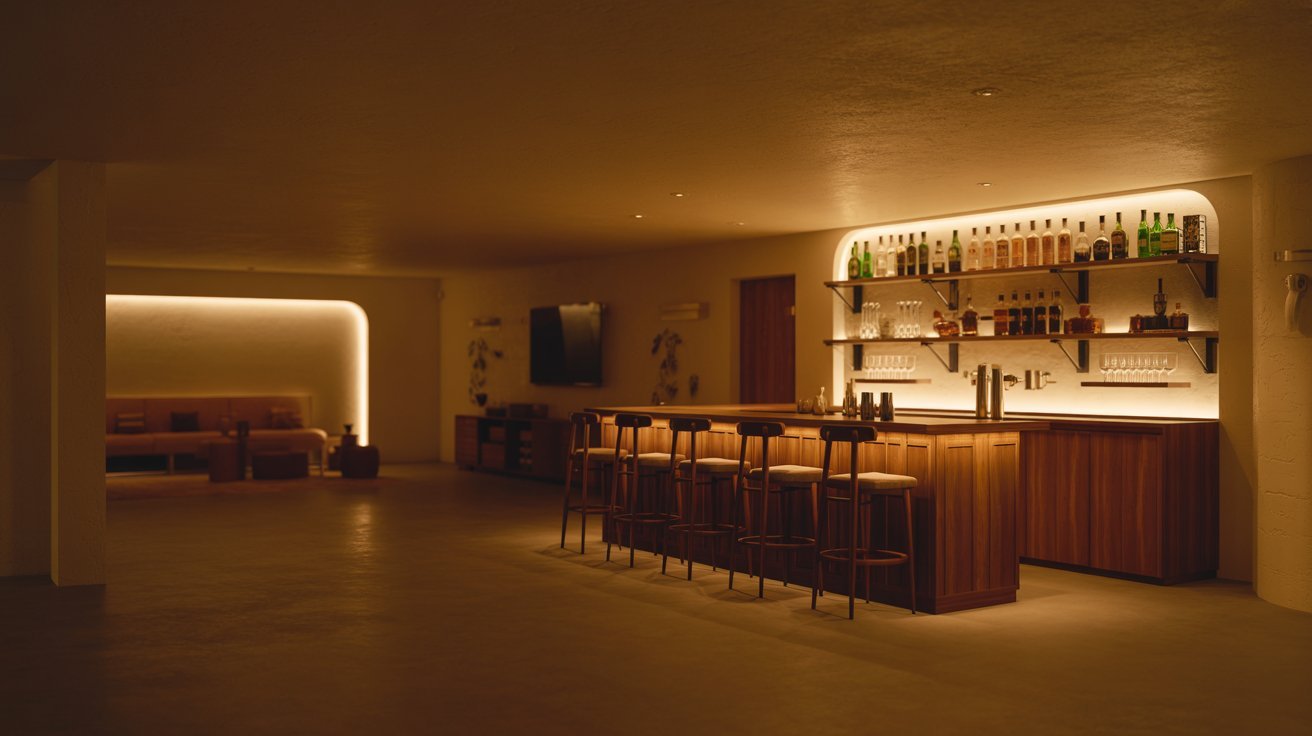
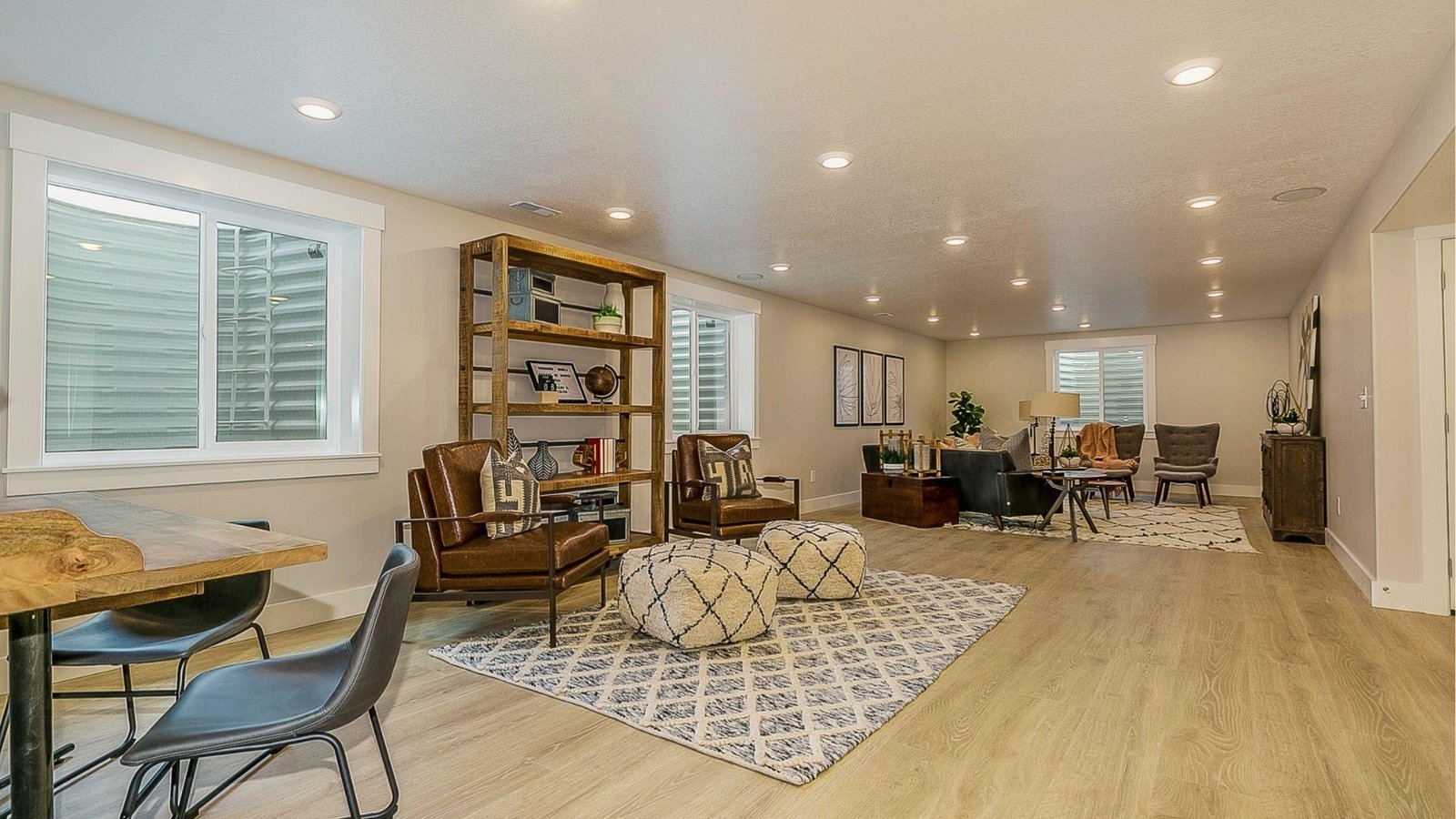
Choosing between a crawl space vs basement is one of the biggest decisions you'll make when building or buying a home.
I've seen homeowners struggle with this choice and I get it. The wrong foundation can cost you thousands in repairs down the road.
In this blog, I'll walk you through everything you need to know about moisture control, construction costs, storage options, climate suitability, and resale value.
By the end, you'll have a clear picture of which foundation fits your home and budget.
With years of research and hands-on experience in home foundations, I'm here to help you make a confident, informed decision.
What Is a Crawl Space?

A short, open space beneath your home that keeps the structure off the ground.
A crawl space is a shallow area under a home, usually between one and three feet high. It lifts the structure off the ground, allowing access to plumbing, wiring, and HVAC systems.
It doesn't offer livable space but plays a big role in your home's air quality and structural health.
Crawl spaces are common in areas with wet soil or mild climates where a full basement isn't needed.
What Is a Basement?
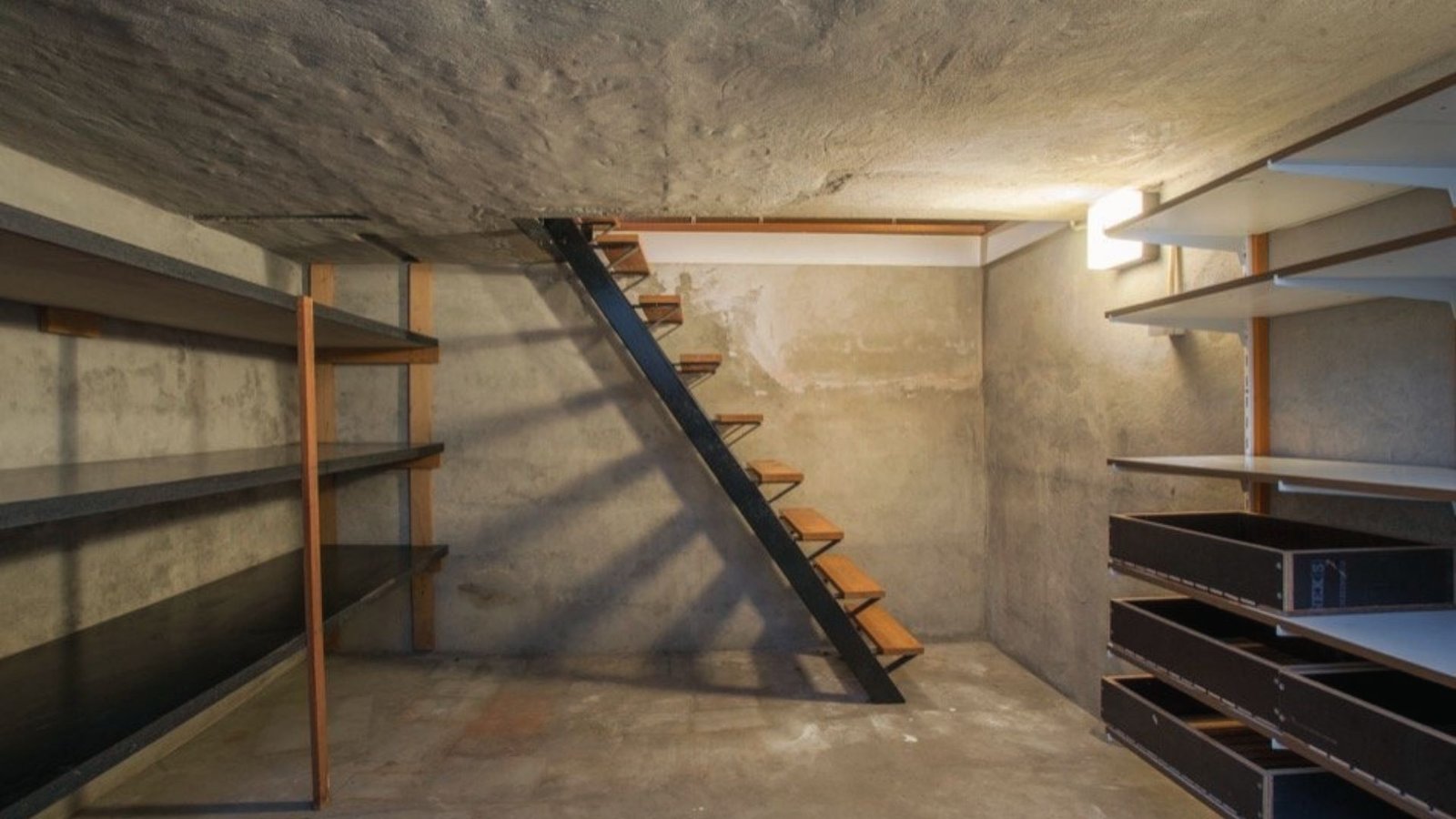
A full below-ground level that adds real space and function to your home.
A basement is a full underground level built beneath the main floor of a home.
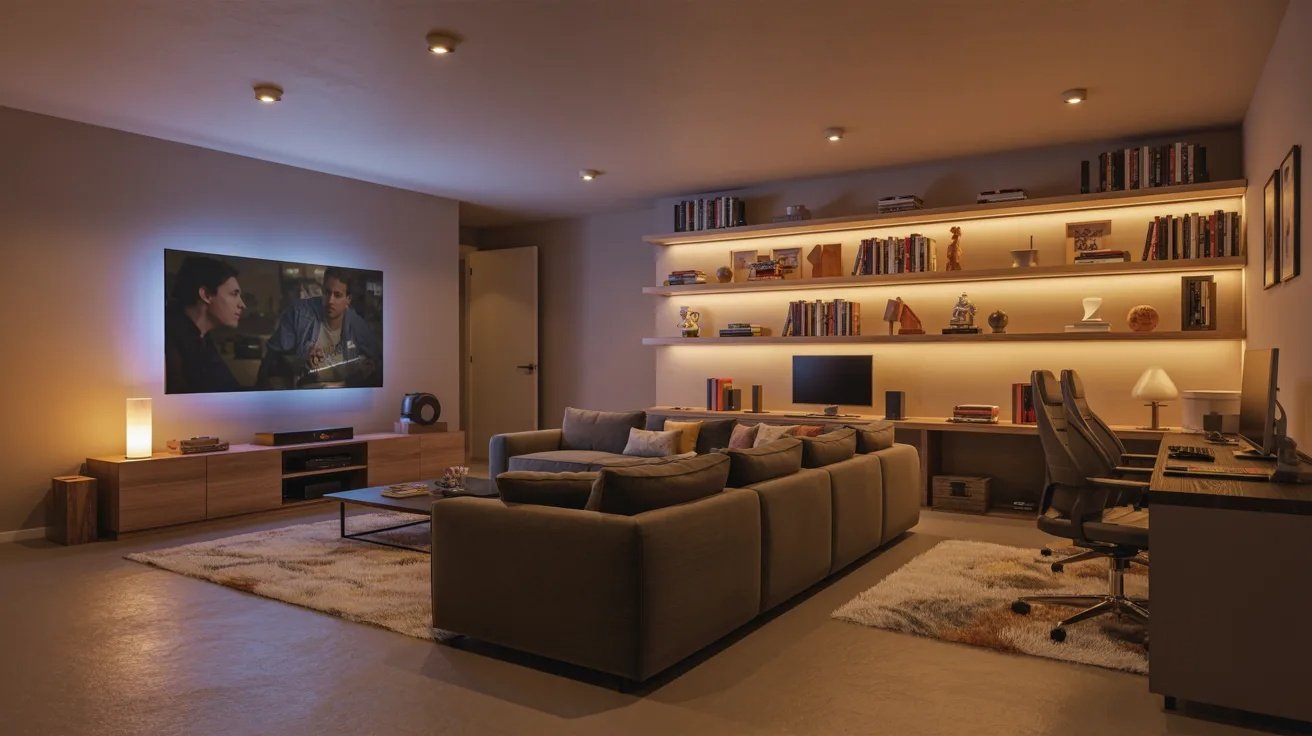
It goes several feet into the ground and can be used for storage, laundry, utilities, or even finished as a living area.
Basements are more common in cold climates where foundations must go below the frost line.
They cost more to build but offer far more usable space than a crawl space.
Crawl Space vs Basement Pros and Cons

Both options have real strengths and real drawbacks depending on your situation.
Advantages of Crawl Space Foundations
Crawl spaces cost less to build and work well in warm or humid regions. They raise the home off the ground, which helps with airflow under the floor.
Repairs to pipes and wiring are easier to access. They also work better on sloped or uneven land where digging a full basement would be costly.
Disadvantages of Crawl Space Foundations
Crawl spaces attract moisture, pests, and mold when not properly maintained. They offer no living or storage space.
Cold air beneath the floor can raise heating costs. Without proper encapsulation, air quality inside the home can suffer due to rising dampness and allergens.
Advantages of Basement Foundations
Basements give you a lot of extra space. They can be used for storage, a home gym, a spare room, or a rental unit.
They provide better insulation from outdoor temperatures. They also add significant resale value when finished properly and are common in colder regions where deep foundations are required anyway.
Disadvantages of Basement Foundations
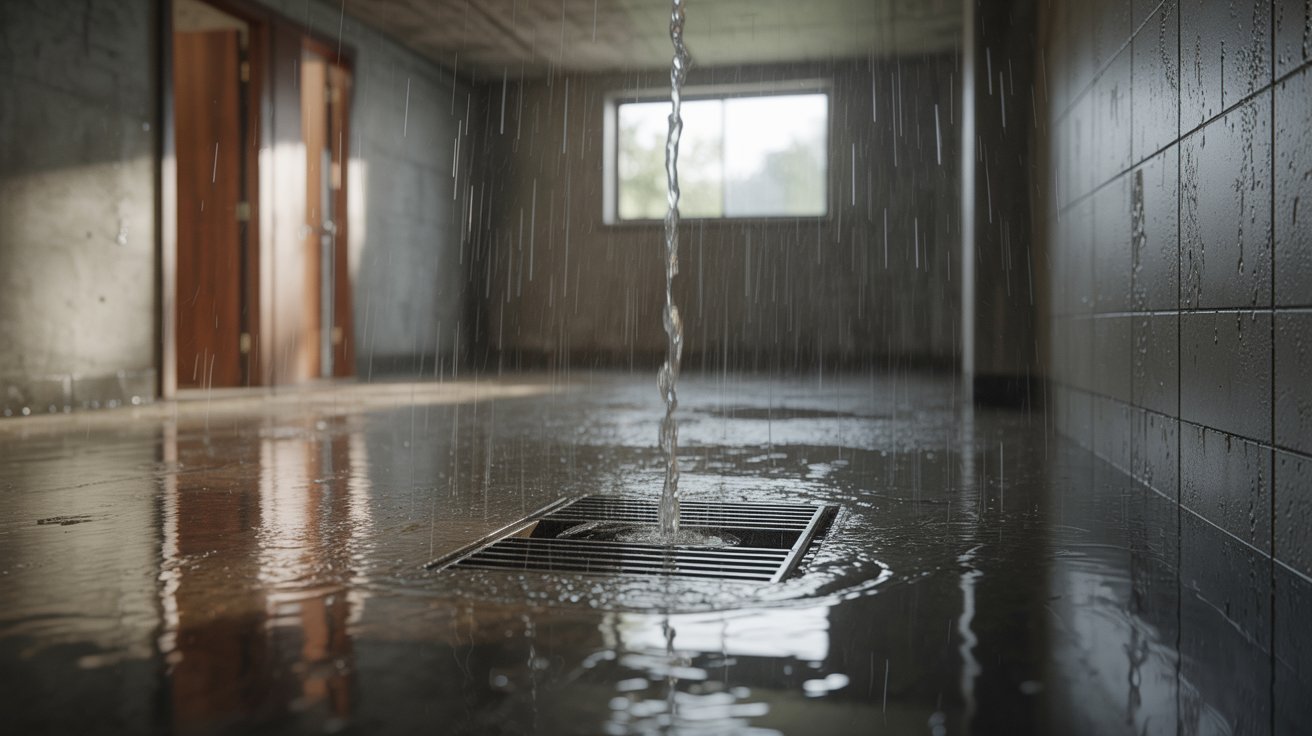
Basements cost more to build and are waterproof. They are prone to flooding and water seepage, especially in areas with high groundwater.
If water gets in, repairs can be expensive. Finished basements also require regular upkeep to prevent mold and moisture damage over time.
Crawl Space vs Basement Costs
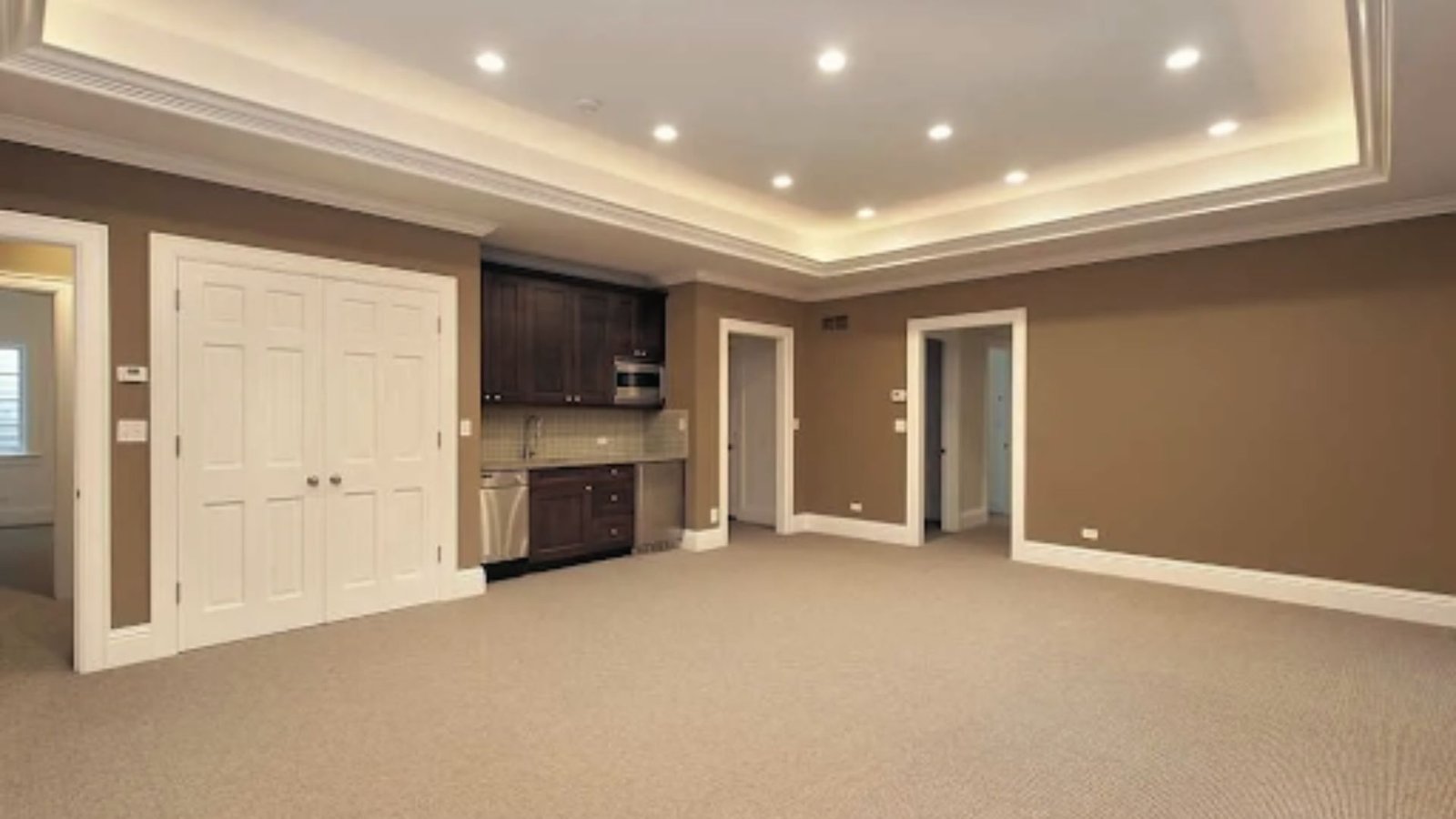
Cost is often the deciding factor, knowing what to expect helps you plan smarter.
| Cost Category | Crawl Space | Basement |
| Initial Construction | $8,000 to $21,000 | $18,000 to $30,000+ |
| Finished Space Add-On | Not applicable | $20,000 to $50,000+ |
| Long-Term Maintenance | Vapor barrier, pest control, wood rot repairs:$500 to $15,000 | Sump pump, crack repair, drainage upkeep |
| Waterproofing / Encapsulation | $1,500 to $15,000 | $2,000 to $10,000+ |
| Vented vs Sealed | Vented costs less upfront but needs more maintenance | HVAC extensions and egress windows add to build cost |
| Best Overall Value | Tight budgets and warmer climates | Long-term use, cold regions, extra living space |
Both foundations come with real costs. The right choice depends on your budget, climate, and long-term plans for the space.
Which Foundation Is Better for Your Climate and Location?

Your local climate and soil type should guide your foundation choice from the start.
Crawl Spaces for Humid and Wet Areas
Crawl spaces can work in humid areas only if properly encapsulated. In the Southeast U.S., for example, many homes use sealed crawl spaces with vapor barriers to manage moisture.
Without proper sealing, humidity leads to mold and wood damage.
Basements for Cold Climates
In cold regions like the Midwest and Northeast, basements are the standard. Foundations must go below the frost line to prevent shifting.
Since builders have to dig deep anyway, extending the foundation into a full basement makes practical sense.
Flood-Prone Area Considerations
In flood zones, neither option is ideal without proper drainage. Basements are at higher risk of taking in water.
Raised crawl spaces with good grading and sump systems can sometimes fare better. Always check FEMA flood maps before making a decision.
Soil Type and Drainage Factors
Clay-heavy soils hold water and can put pressure on basement walls. Sandy or well-draining soils work better for basements.
Crawl spaces can be built on a wider range of soil types but still need moisture management. A soil test before construction can save you thousands.
Crawl Space vs Basement for Storage, Living Space, and Home Value

Think beyond construction, the right foundation can affect how your home functions for decades.
Which Foundation Offers More Storage?
Basements win when it comes to storage. You can use the entire footprint of your home for boxes, appliances, tools, and seasonal items.
Crawl spaces offer little to no usable storage due to the low ceiling height.
Finished Basement vs Crawl Space Storage
A finished basement adds organized, clean storage space. You can add shelving, lighting, and flooring.
A crawl space, even an encapsulated one, remains a tight, limited area. For homeowners with growing families or lots of belongings, the basement is the clear choice.
Additional Living Space Benefits
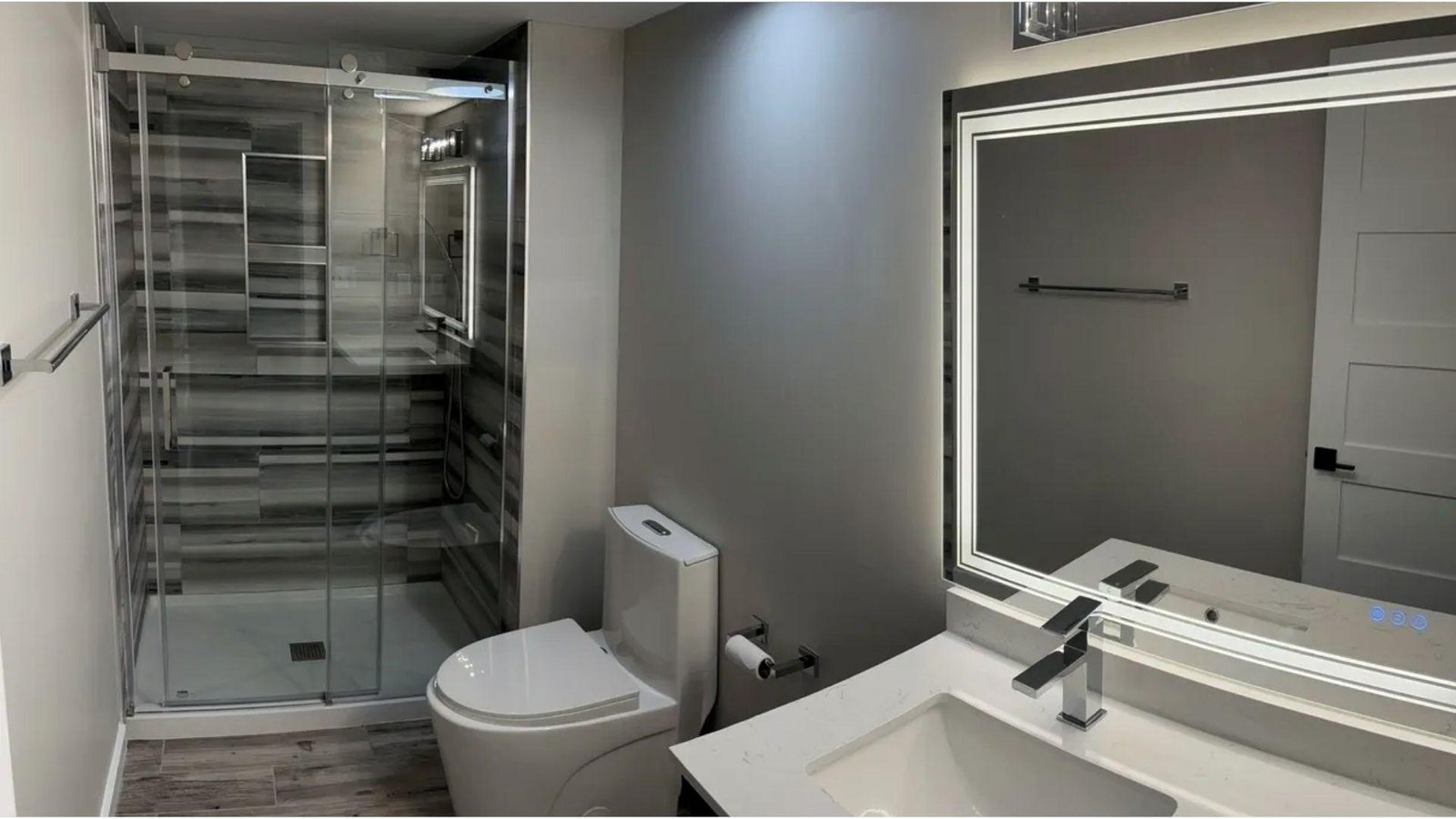
A finished basement can become a bedroom, office, game room, or rental space. This is a major advantage that no crawl space can offer.
The added square footage can also increase the appraised value of your home.
Impact on Resale Value and Buyer Appeal
Homes with finished basements generally sell for more. Buyers see them as bonus space.
Crawl space homes can also sell well if the foundation is well-maintained and encapsulated, but they don't carry the same appeal as a home with extra living space below.
Tips for Maintaining Crawl Space and Basement Foundations
Consistent care goes a long way in protecting your foundation from costly problems.
- Inspect your crawl space or basement twice a year for cracks, water stains, or pest activity.
- Test your sump pump before the rainy season and check insulation for moisture or damage.
- Seal vents in fully encapsulated crawl spaces and insulate basement walls with rigid foam or fiberglass.
- Slope soil away from your foundation, clean gutters, and extend downspouts at least five feet out.
- Watch for sticking doors, sagging floors, musty smells, or visible mold these are signs you need foundation repair.
Conclusion
I know how stressful foundation decisions can feel. I've spoken with homeowners who wish they had done more research before building.
The good news? You're already doing that research right now. Your priority may be cost, space, or long-term care.
Both crawl space and basement options can work with the right plan in place. If this helped you, drop a comment below and share your situation.
I'd love to help you figure out which crawl space vs basement option fits your home.
Frequently Asked Questions
Is a crawl space cheaper than a basement?
Yes, crawl spaces cost less to build. They require less excavation and fewer materials, making them a more budget-friendly foundation option for many homeowners.
Which foundation is better for moisture control?
A properly encapsulated crawl space or a waterproofed basement both manage moisture well. The key is using the right system for your local climate and soil conditions.
Does a basement increase home value?
Yes, especially a finished basement. It adds usable square footage and appeals to buyers looking for extra living space, storage, or rental potential.
Are crawl spaces prone to mold?
They can be without proper sealing. Open vents and ground moisture create the conditions mold needs to grow. Encapsulation and a dehumidifier reduce this risk significantly.
Can a crawl space flood?
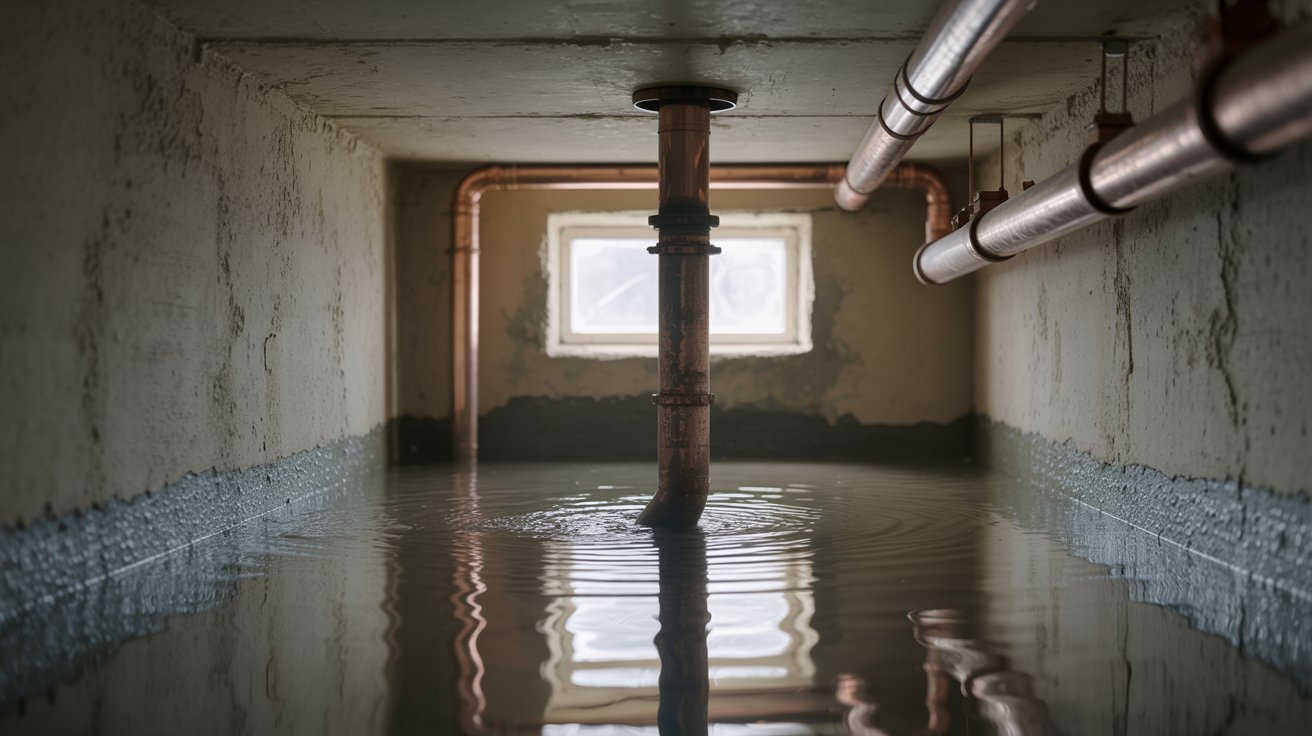
Yes, during heavy rain or in areas with high water tables. Proper drainage, grading, and a sump pump help reduce the risk of water collecting under your home.