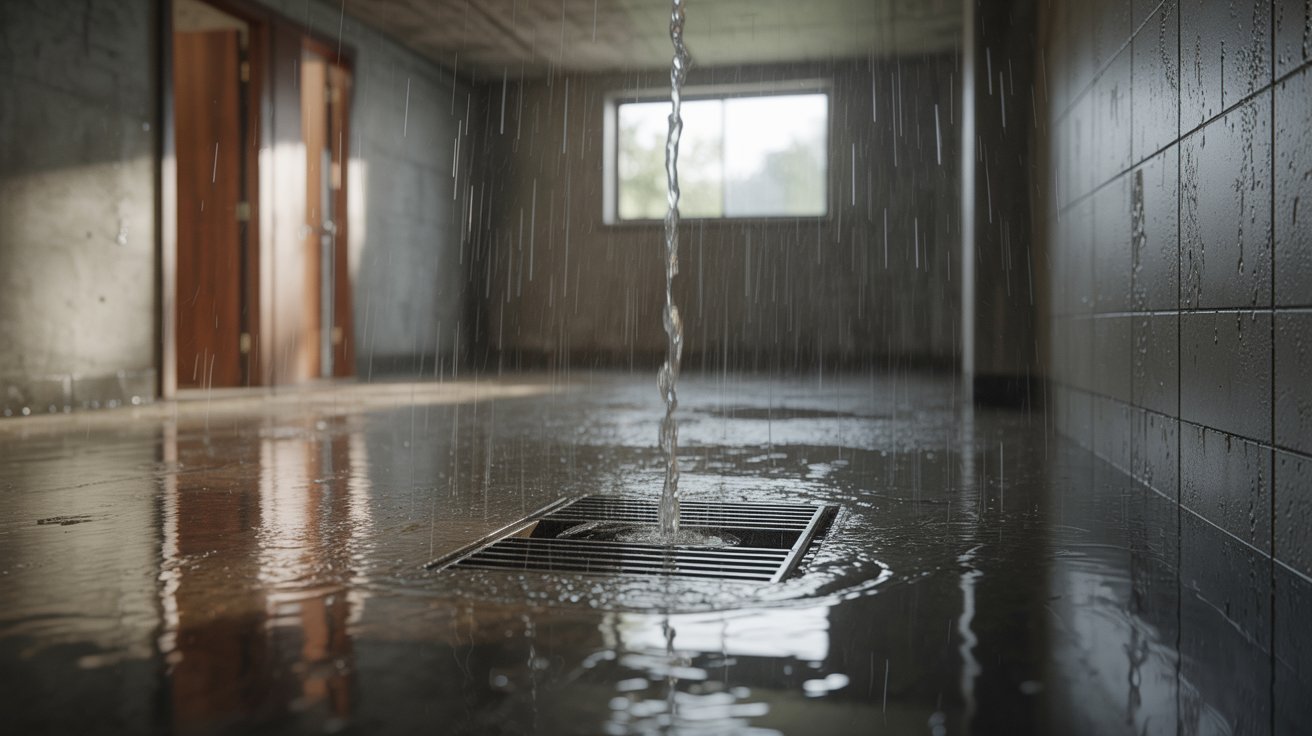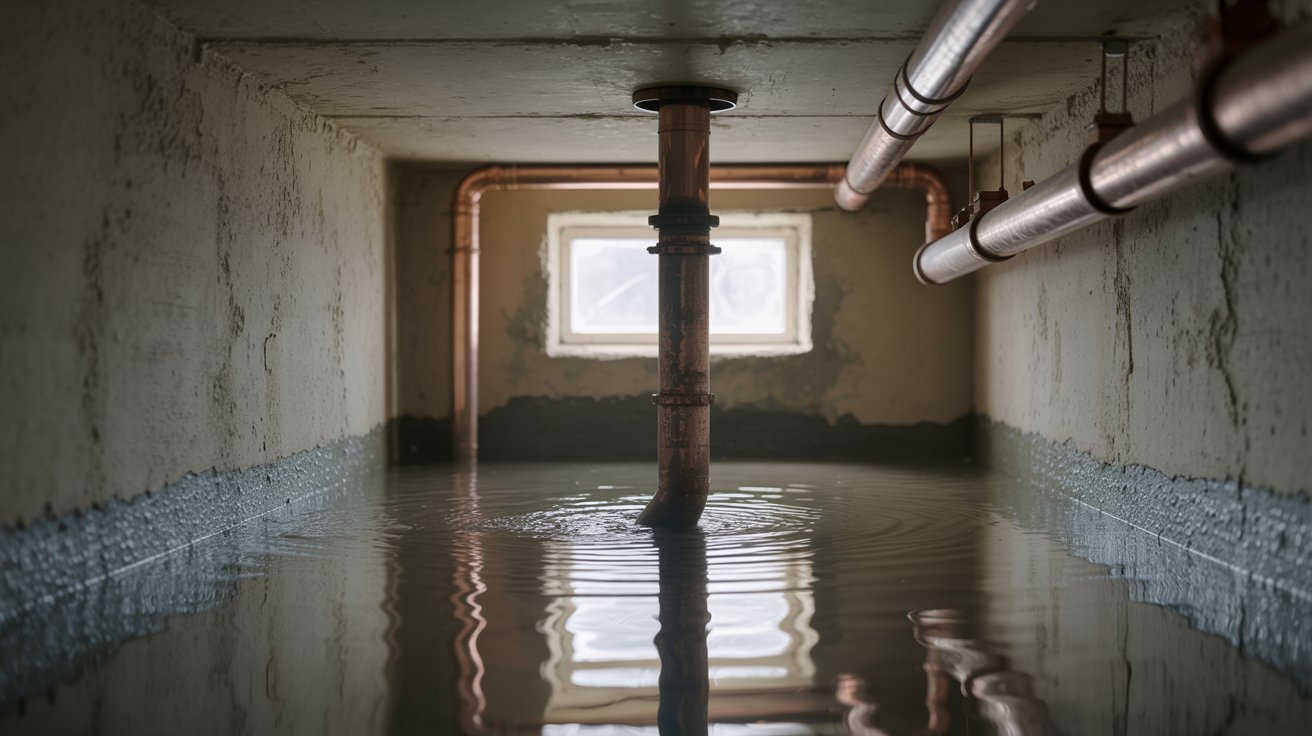
I walked into my basement one morning and found standing water sitting right over the drain. That sinking feeling hits fast. You know something is wrong, you just don't know how bad yet.
I've been through this more than once, and I've spent hours going through homeowner forums, Reddit threads, and real community discussions to find what actually works.
Learning how to unclog a basement drain with standing water the right way is the difference between a 30-minute fix and a $2,000 plumber bill.
And here's the thing most guides won't tell you upfront. The cause matters just as much as the fix. Keep reading.
What Homeowners Say First When Basement Drain Fills With Standing Water
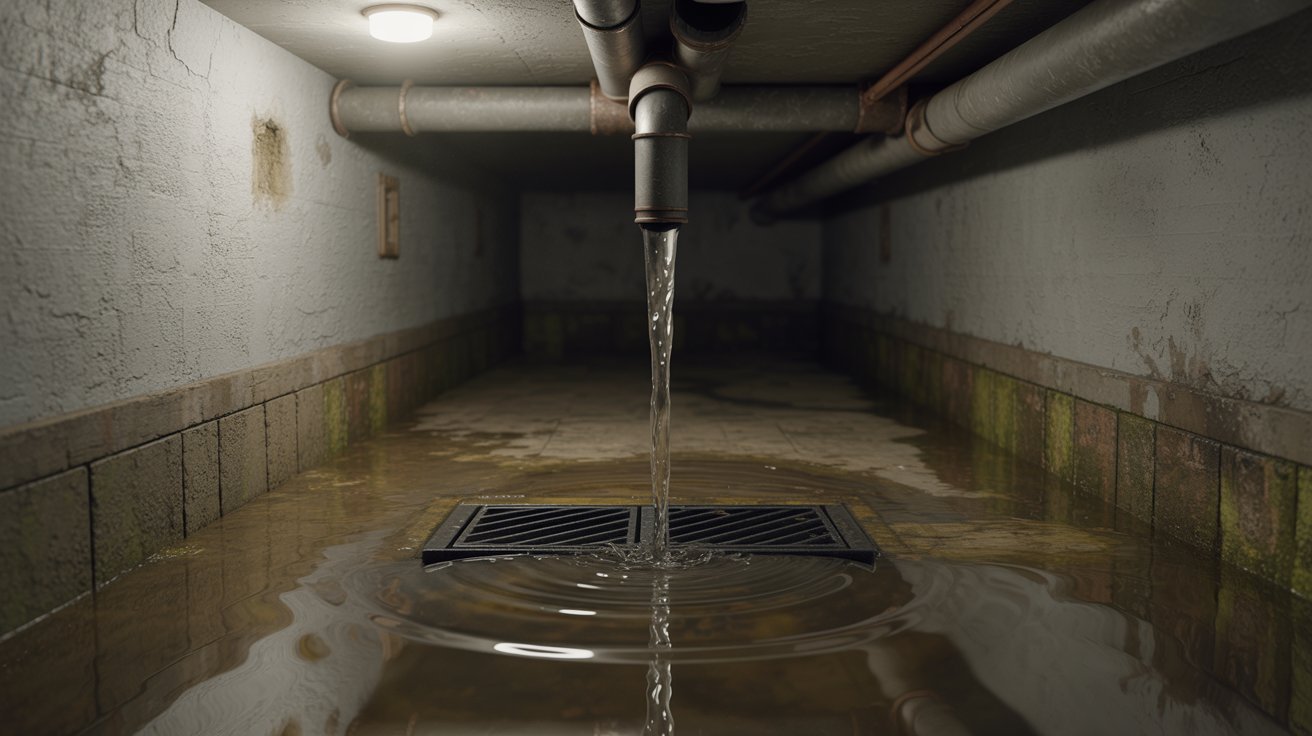
The first reaction in almost every forum thread is panic. People describe the smell before they even see the water. That slow drain that nobody noticed suddenly becomes a serious problem overnight.
Most homeowners try the obvious things first. Pouring hot water down the drain. Grabbing a plunger. Sometimes just waiting to see if it clears on its own.
Spoiler: it usually doesn't. One of the most common phrases that shows up in these discussions is "basement floor drain backing up standing water."
It comes up constantly in Reddit's r/HomeImprovement and similar communities. It's clearly a widespread issue, not a rare one.
The pattern across forums is consistent. People who act quickly and methodically get better results. People who wait or reach for harsh chemicals tend to make things worse before they get better.
Why Basement Drains Get Clogged With Standing Water
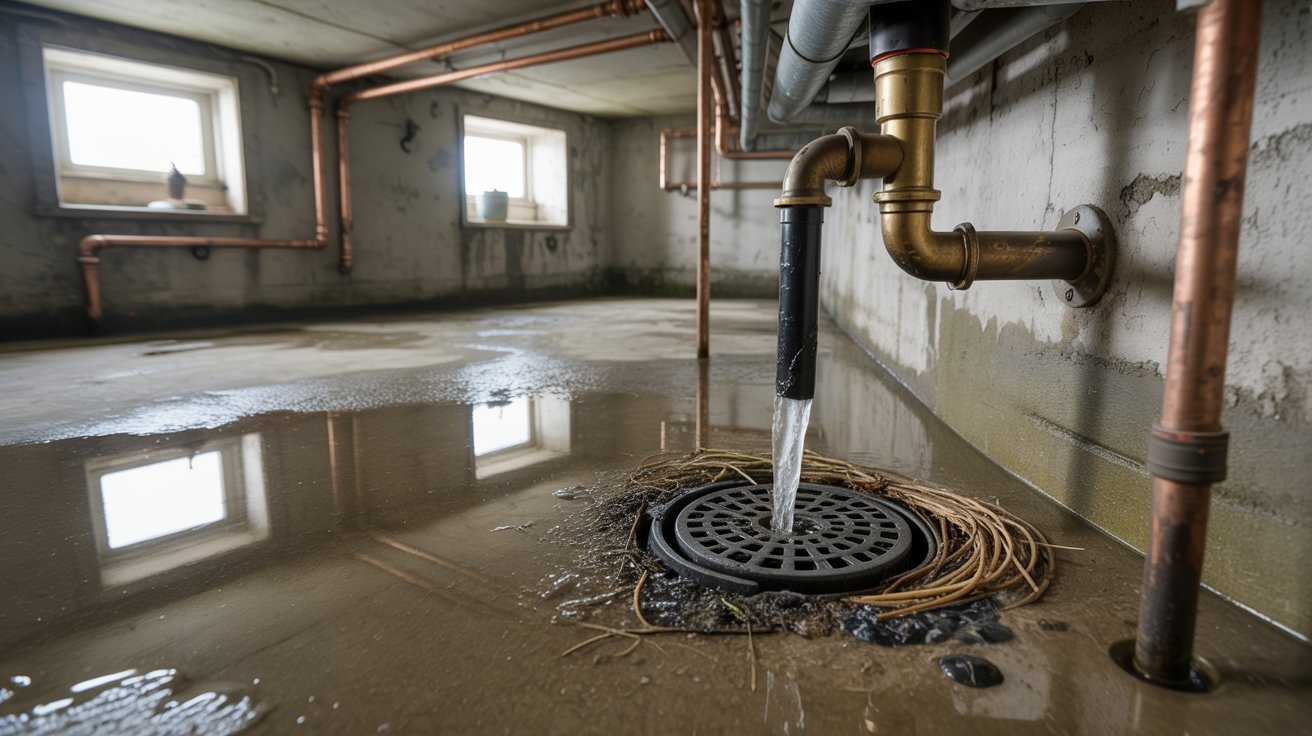
The most common cause homeowners report is plain old debris buildup. Hair, dirt, soap residue, and sediment collect over time and slowly choke the drain until water has nowhere to go.
Heavy rainfall is another big one. When the sewer system gets overloaded after a storm, water backs up into basement drains.
Several Reddit threads specifically mention this happening in older neighborhoods with aging sewer infrastructure.
Tree roots are a less obvious but very real cause. Roots grow into old pipes over time and create blockages that no plunger or chemical cleaner can touch.
This comes up often in discussions from homeowners with mature trees near their foundation.
Lack of regular maintenance is the underlying theme across almost all these cases. Most people don't think about their basement drain until something goes wrong.
By then, the buildup has usually been growing for months.
Immediate DIY Fixes Shared by Homeowners for Standing Water Drain Clogs
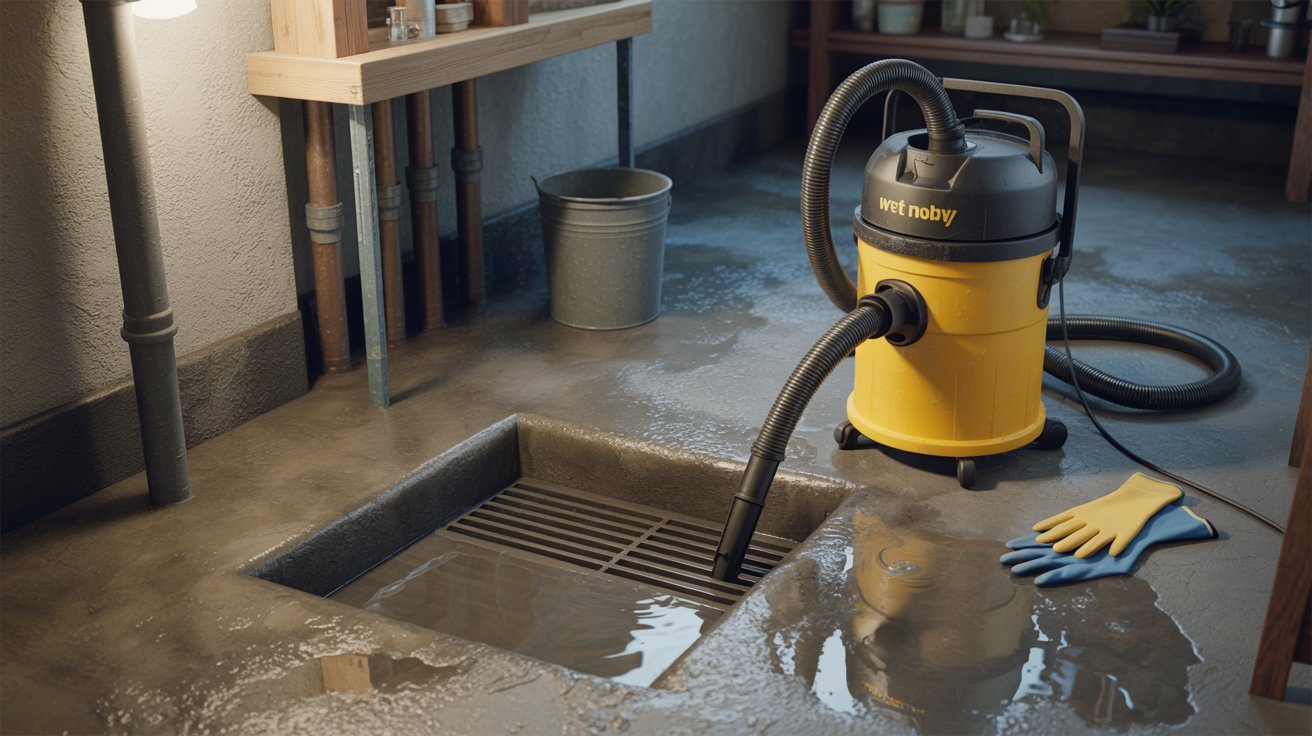
A wet/dry vacuum is the first tool most experienced homeowners reach for. It pulls standing water out fast and lets you actually see and access the drain opening.
This method comes up in nearly every forum thread on the topic.
The manual approach works too when the water isn't too deep. Grab a bucket, put on rubber gloves, and start removing water until the drain is accessible. It's basic but effective.
A hot water and mild dish soap flush is a popular follow-up once the water level drops. Several users recommend repeating this two or three times to break up grease and soap residue sitting in the pipe.
Basic plunging works when the water level is low enough to create a seal. But forum users are clear about what not to try. Don't mix chemical drain cleaners with standing water.
Don't use a plunger on a drain that smells like sewage. And never ignore the water if it keeps coming back after you clear it.
How to Unclog a Basement Drain With Standing Water (Step-by-Step Method That Works for Most Users)
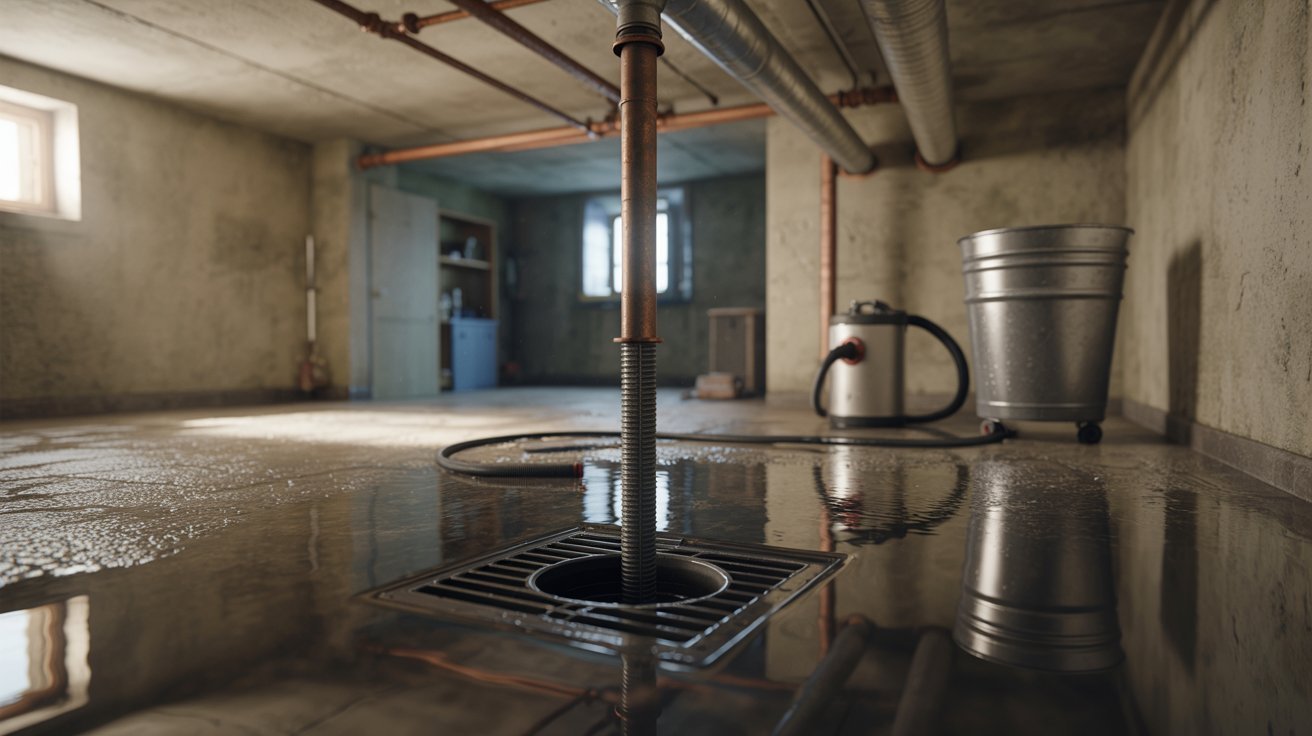
Before you do anything, assess the situation. Rushing into a flooded basement without thinking first is how accidents happen.
Here's the process that shows up again and again in homeowner communities as the most reliable approach to how to unclog a basement drain with standing water.
- Step 1: Check water depth and cut power if needed. If water is near any electrical outlets or appliances, shut off power to that area first. This is non-negotiable and comes up in every safety-focused forum discussion.
- Step 2: Remove the standing water. Use a wet/dry vacuum or a bucket to get the water level down. You need clear access to the drain before anything else.
- Step 3: Clear visible debris at the drain opening. Remove the drain cover and pull out any hair, gunk, or visible blockage by hand. Gloves on for this part.
- Step 4: Use a drain snake or hand auger. This is the single most recommended fix across every forum and community thread. Feed the snake into the drain slowly and work through the clog rather than forcing it.
- Step 5: Flush the system. Run hot water down the drain for a few minutes to confirm flow is restored. If it drains freely, you've cleared the blockage.
- Step 6: Repeat if needed. Partial blockages sometimes need two or three passes with the snake. Don't force it. Slow and repeated clearing works far better than aggressive pushing.
The community insight here is simple but important. Patience wins. Forcing a drain snake or over-plunging a stubborn clog can damage older pipes and turn a minor clog into a major repair.
Real Community Experiences: What Actually Worked and What Failed
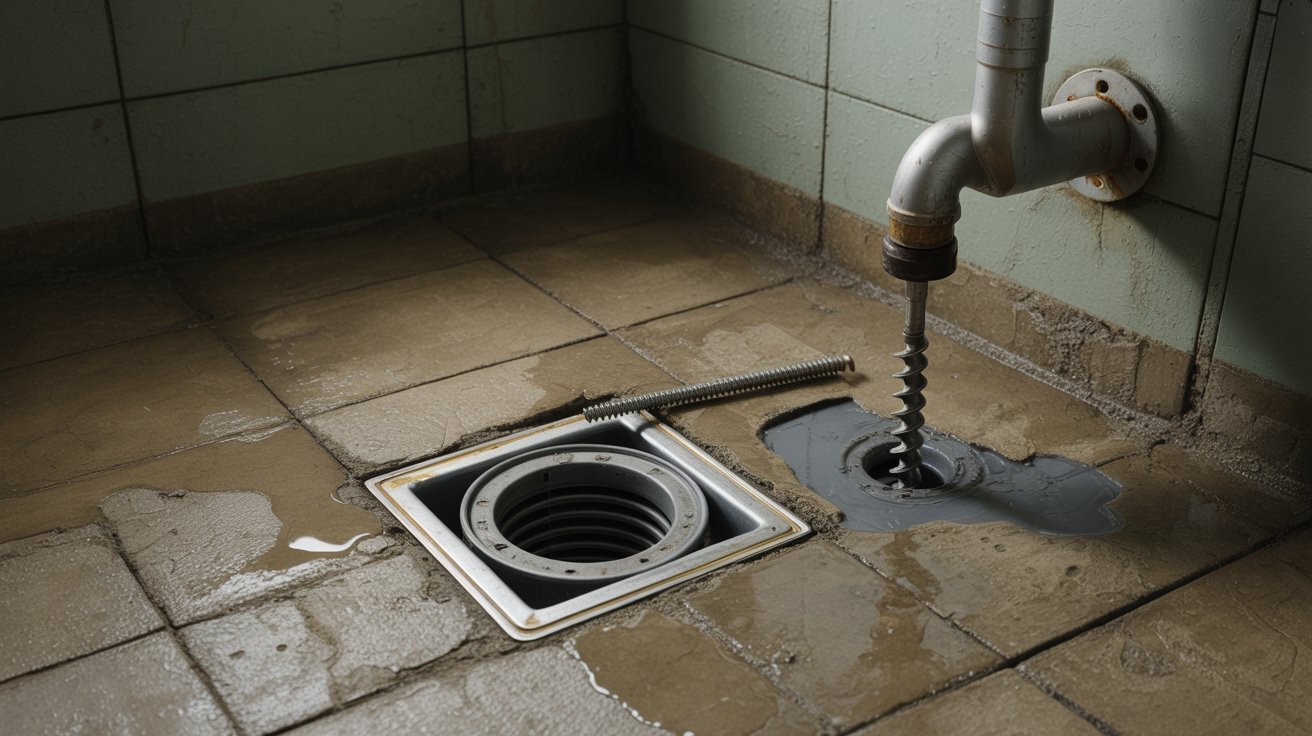
Plenty of homeowners have fixed this without calling a plumber. The drain snake method consistently gets the most positive outcomes in forum threads.
One user on a home improvement forum described clearing a clog that had been building for over a year using just a $30 hand auger from a hardware store.
Chemical drain cleaners are the most common failure story. Multiple users describe pouring them into standing water and getting zero results.
Worse, some report the chemicals making the smell worse and creating a new problem to deal with.
Over-plunging is another common mistake. A few forum users describe cracking older pipe joints by using too much force.
In a basement with aging plumbing, aggressive plunging can cause more damage than the original clog.
Older homes consistently show more complex clog patterns than newer ones. Tree root intrusion and deteriorating pipes make simple DIY fixes less reliable in houses built before the 1980s.
Newer homes with PVC plumbing tend to respond better to basic clearing methods.
When DIY Isn't Enough: Signs You Need a Professional Plumber
Most clogs respond to the methods above. But there are clear signals that the problem goes beyond what a drain snake can fix.
Recognizing these early saves you from a much bigger repair bill later.
- Water keeps coming back after clearing. If you clear the drain and it backs up again within a day or two, the clog is deeper in the line than a hand auger can reach.
- Multiple drains backing up at once. This almost always points to a main sewer line issue. Forum users are unanimous, this is a call-a-plumber situation immediately.
- Sewage smell or gurgling sounds. Both indicate a serious blockage or venting problem that goes beyond a simple debris clog.
- Overflow during or after rainfall. If your basement drain backs up every time it rains heavily, you likely have a main line or municipal sewer issue that needs professional camera inspection.
- Cost vs urgency decisions. Forum users consistently say the same thing, waiting on a sewer line issue always costs more in the end. A camera inspection upfront is far cheaper than a sewage backup cleanup.
If you're seeing more than one of these signs at the same time, stop the DIY attempts and call a licensed plumber.
Some problems are simply outside the scope of what homeowners should handle on their own.
Prevention Tips From Homeowners to Avoid Future Basement Drain Clogs
The best advice in every forum thread is consistent. Don't wait for a problem to start caring about your basement drain.
A little regular attention prevents the kind of mess that brings people to these communities in the first place.
- Flush monthly with hot water. Several experienced homeowners recommend running hot water down the basement drain for five minutes every month. It keeps sediment and buildup from settling in the pipe.
- Install a drain strainer. A simple mesh strainer catches hair and debris before it enters the pipe. Cheap, easy, and one of the most recommended preventative steps in DIY communities.
- Keep gutters and exterior drainage clear. Water that can't drain away from your foundation puts extra pressure on your basement drainage system, especially during heavy rain.
- Get a sewer line inspection every few years. Homeowners in older properties especially recommend this. A camera inspection catches root intrusion and pipe deterioration before they become emergencies.
- Build a simple cleaning habit. A few minutes of maintenance every month is genuinely all it takes to avoid most of the situations that fill these forum threads. The homeowners who follow a routine almost never post about recurring clogs.
Conclusion
Here's what I know after going through this myself and reading hundreds of forum threads. The homeowners who act fast and stay calm always come out ahead.
Knowing how to unclog a basement drain with standing water is one of those things you're really glad you figured out before it got worse.
Don't wait for the next backup to take this seriously. Start your monthly maintenance routine this week.
And if this guide saved you time or money, share it with someone who needs it right now.
Got a fix that worked for you? Drop it in the comments below.
Frequently Asked Questions
What Is the Fastest Way to Fix a Basement Drain With Standing Water?
Remove the standing water with a wet/dry vacuum first, then use a hand drain snake to clear the blockage. This two-step approach is the most consistently effective method recommended across homeowner forums.
Can I Use Chemicals to Unclog a Basement Drain?
Most experienced homeowners strongly advise against using harsh chemical cleaners in a drain with standing water. They rarely work on serious clogs and can create additional hazards when mixed with stagnant water.
Why Does My Basement Drain Keep Backing Up After Rain?
This usually points to a sewer line overload or an exterior drainage problem near your foundation. If it happens consistently after heavy rainfall, a professional camera inspection of the main line is the right next step.
Is a Wet/Dry Vacuum Effective for Standing Water in Basement Drains?
Yes, it's one of the most highly recommended tools in homeowner communities for removing standing water quickly. It works best for water removal and initial access to the drain, not for clearing the blockage itself.
When Should I Call a Plumber for a Clogged Basement Drain?
Call a plumber if multiple drains are backing up at once, if the clog keeps returning after clearing, or if you notice a sewage smell or gurgling sounds. These signs point to a deeper main line issue that DIY methods won't resolve.