I've dealt with a leaking basement window in the middle of winter, and trust me, it's not fun. Water on the floor, cold air rushing in, and no idea where to start.
If you're facing the same thing, you're in the right place. This guide on basement window repair walks you through everything, from spotting damage early to fixing it on a budget.
You'll learn how to identify common window problems, follow a clear step-by-step repair process, find budget-friendly fixes that actually work, and know when to repair vs. replace.
I've helped many homeowners work through this exact problem, and I'll help you too.
Understanding Basement Window Problems
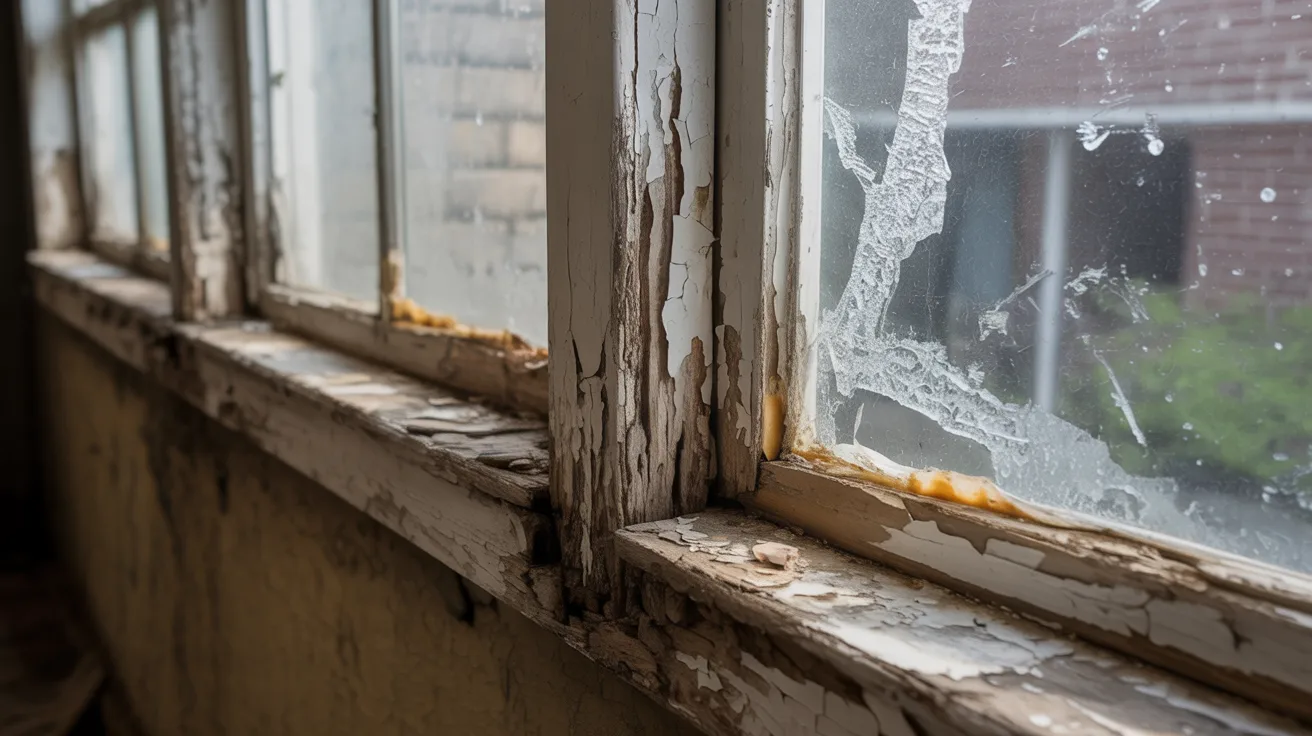
Knowing what's wrong is the first step to fixing it the right way. Old basement windows show damage in clear ways.
You might see paint peeling around the frame, wood that feels soft when pressed, or visible cracks in the corners.
Foggy glass or rust on metal parts are also red flags. Wood rot happens when water sits on wood for too long. Poor drainage, missing seals, and cracked caulk all let water in.
Cold weather makes things worse. Water gets into small cracks, freezes, and widens them. Old frames shrink in the cold, leaving gaps that let air and moisture inside over time.
Assessing Damage in Basement Windows
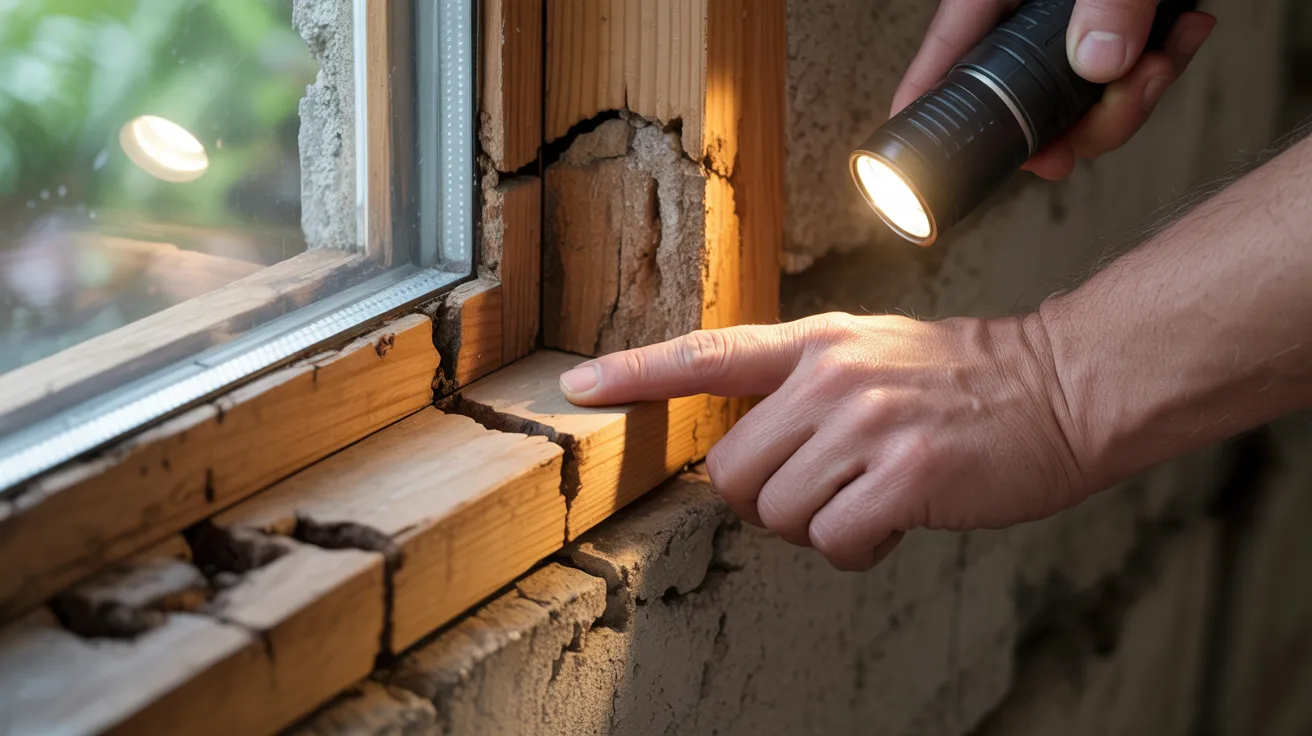
Check your windows carefully before starting any repair work to avoid missing hidden problems.
Checking Frame Condition and Structural Stability
Press along the wood frame with your fingers. Soft or spongy spots mean rot. Look for cracks, warping, or sections that have pulled away from the wall.
A stable frame can be repaired. A frame that crumbles or moves when pressed may need full replacement.
Identifying Water Leaks and Air Gaps
On a cold day, hold your hand near the edges of the window. If you feel air moving, there's a gap. After rain, check for wet spots on the floor below or water stains on the wall nearby.
These are signs of active leaks that need fixing right away.
Inspecting Exterior Coverings and Seals
Go outside and look at the window from that side. Check if the caulk is cracked or missing. Look at the well cover if there is one.
See if dirt or debris has built up against the frame. All of these can trap moisture and cause damage over time.
Step-by-Step Basement Window Repair Process
Follow these steps in order to get a solid, lasting repair without skipping anything important.
Removing Damaged Wood or Old Coverings
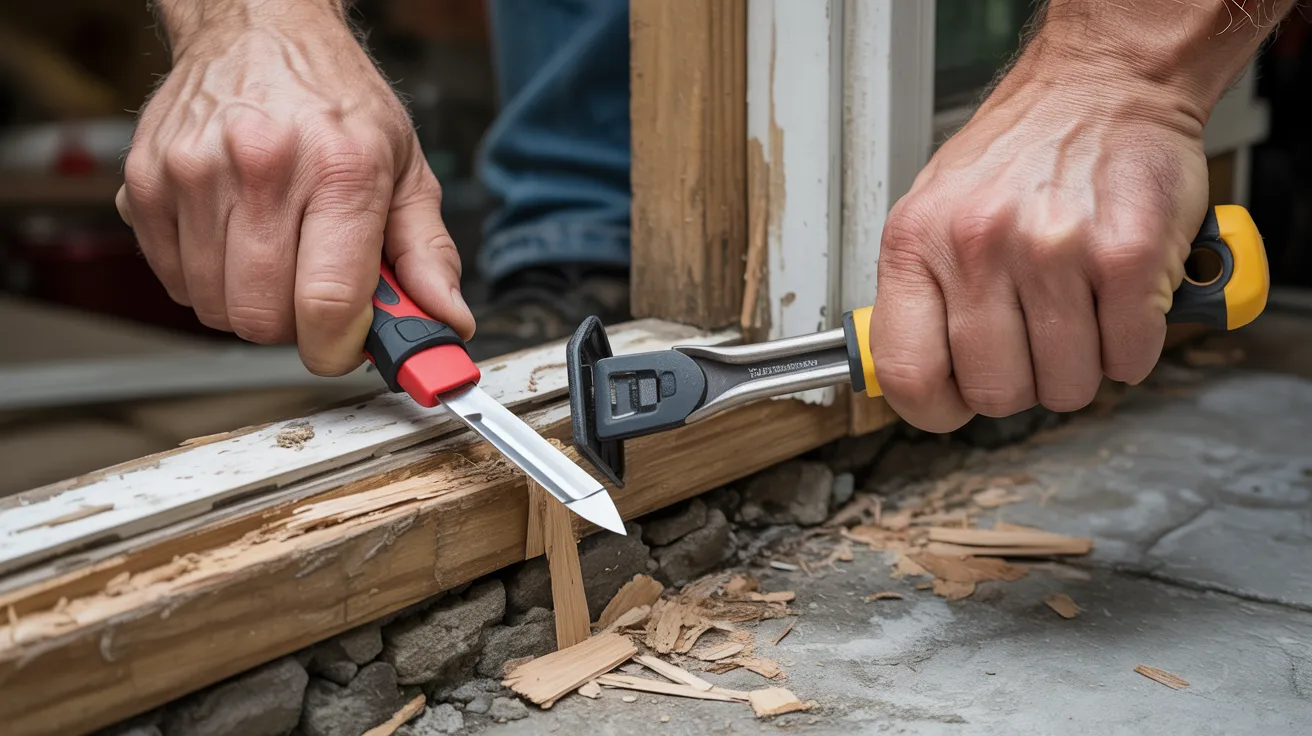
Use a pry bar or utility knife to remove old caulk, rotted wood pieces, or worn-out covers. Work carefully to avoid damaging the surrounding wall.
Bag up all the old material and clean the area before moving on.
Repairing or Reinforcing the Window Frame
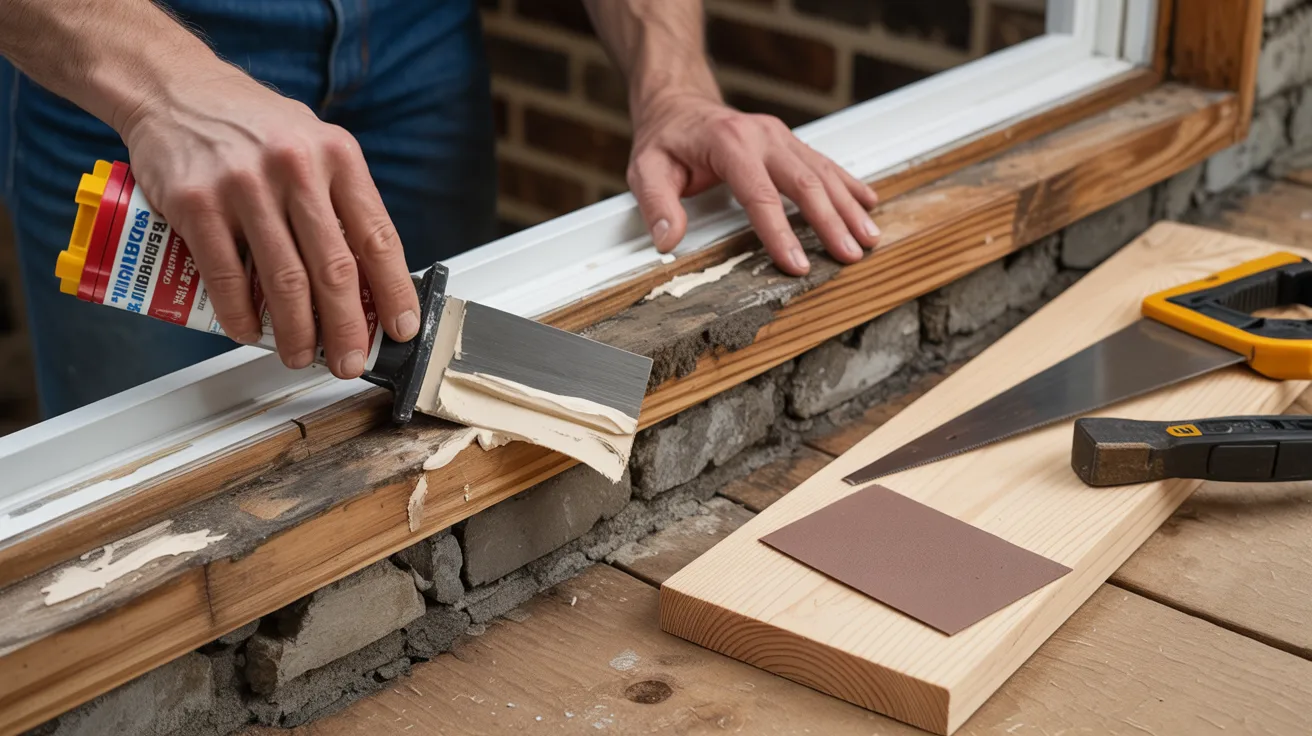
If the frame is mostly solid, fill rotted sections with wood filler or epoxy. Let it dry fully. For larger damaged areas, cut out the bad wood and replace it with pressure-treated lumber.
This type of wood holds up better against moisture.
Sealing Gaps with Caulk and Expanding Foam
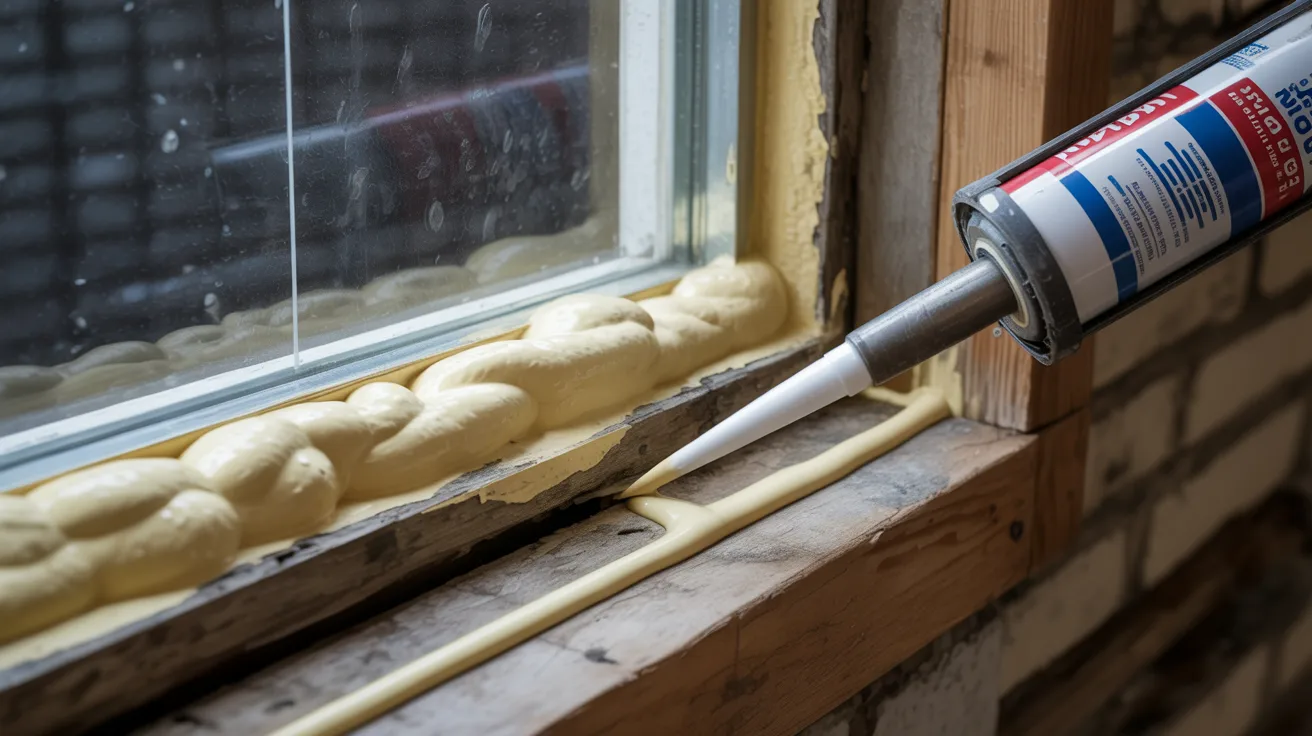
Apply waterproof caulk along all seams between the frame and the wall. For bigger gaps, use expanding foam first, let it dry, then trim it flush and cover it with caulk.
Make sure every gap is sealed, both inside and outside.
Installing Temporary or Semi-Permanent Covers
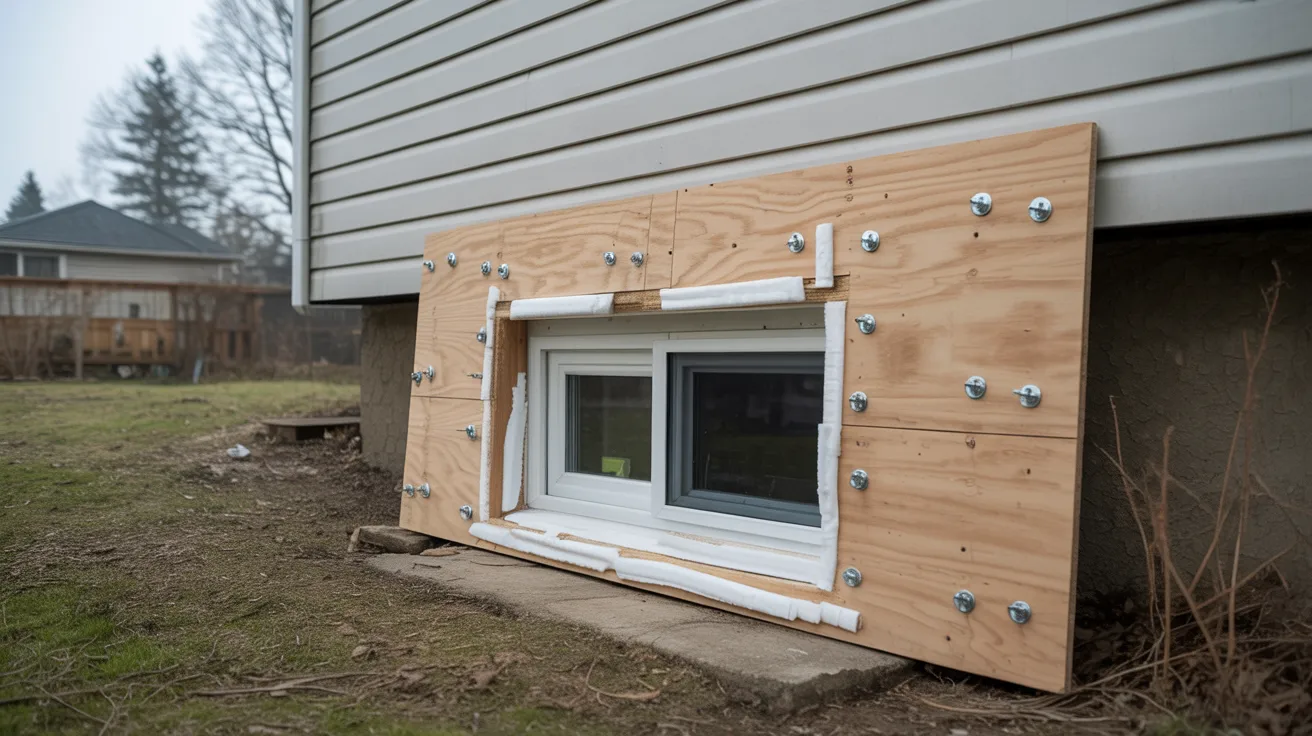
For quick protection, cut a piece of plywood or foam board to fit the opening. Secure it in place with screws or construction adhesive.
For longer use, consider a proper window well cover that fits over the outside and keeps rain and debris out.
When to Consider Replacement Instead of Repair
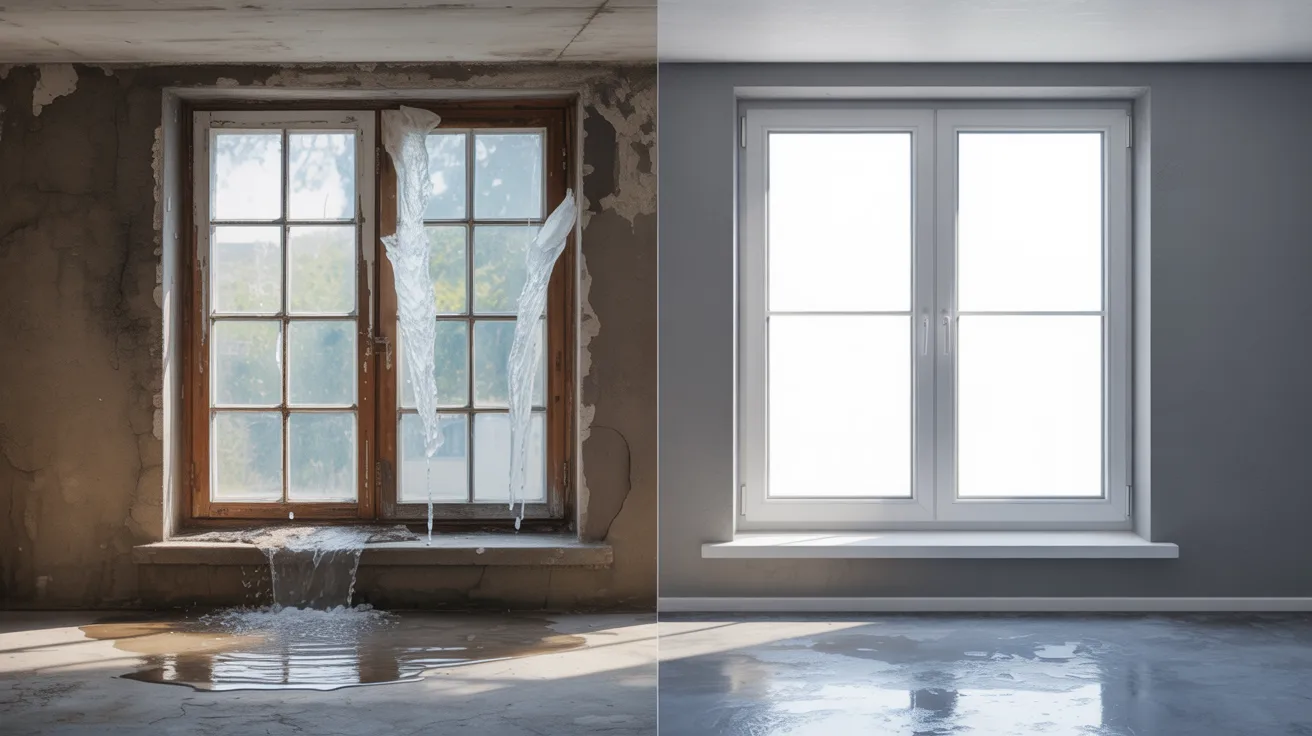
Sometimes fixing a window costs more time and money than simply putting in a new one.
Signs of Severe Structural Damage
If the frame is completely rotted, cracked through, or has shifted out of position, repair won't hold for long.
A window that lets in large amounts of water or air even after repairs is also a sign that replacement is the better choice.
Repair Cost vs. Replacement Cost Comparison
Basic repairs can cost anywhere from $50 to $200 in materials. A new basement window can run $150 to $500 or more, depending on size and type.
If you're spending close to replacement cost on repairs, it often makes more sense to replace.
Long-Term Durability Considerations
Repaired windows, especially older wood ones, may need repeat work every few years. New vinyl or aluminum windows last much longer with less upkeep.
Think about how long you plan to stay in the home and what makes more sense over time.
Budget-Friendly Basement Window Repair Solutions
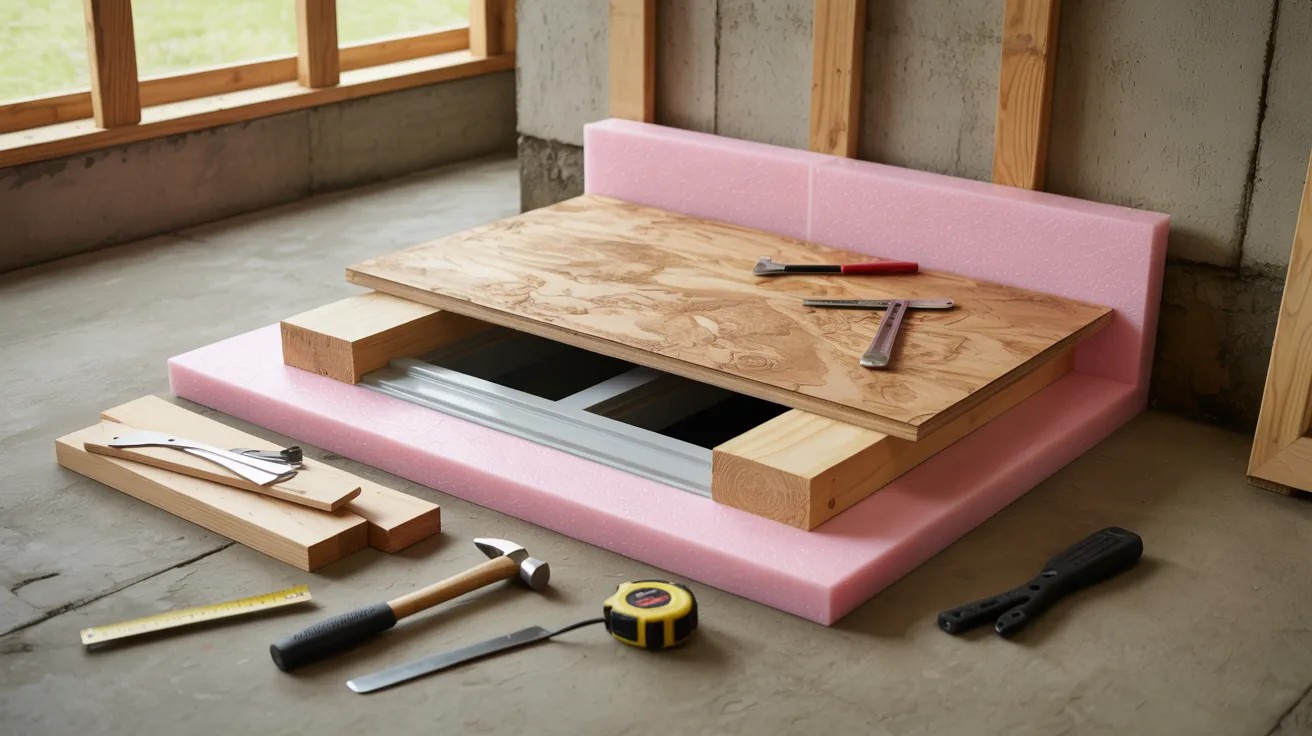
You don't need to spend a lot to get solid protection for your basement windows.
Plywood Board Cover for Quick Protection
A piece of plywood cut to size and screwed over the window opening gives fast, low-cost protection. It's not a final fix, but it keeps out rain and cold while you plan the full repair.
Use exterior-grade plywood for better hold.
Foam Board Insulation for Winter Sealing
Rigid foam board cut to fit inside the window frame adds insulation and blocks drafts. It's cheap, easy to cut, and makes a noticeable difference in how warm the basement feels.
Use tape or adhesive to hold it in place.
Pressure-Treated Wood for Low-Cost Rebuild
When replacing rotted frame sections, pressure-treated wood is a smart buy. It costs a bit more than regular lumber but holds up much better in wet conditions.
This small upgrade can save you from doing the same repair again in a year or two.
Temporary vs. Permanent Repair Options
Temporary fixes like foam board or plywood are fine for a season. But plan to move toward a permanent solution, such as a new frame with proper seals, when time and budget allow.
Temporary fixes left too long can lead to bigger problems.
Tips for Effective Basement Window Repair
Small details make a big difference in how long your repair lasts.
- Always fix moisture issues before sealing. Check that ground slopes away from your foundation and gutters direct water away from walls.
- Use weather-resistant and treated materials only. Wood, caulk, or foam should be rated for damp areas since indoor-grade breaks down fast.
- Never fully block windows needed for ventilation or emergency exit. Check local building codes to know which windows must stay open.
- Seal both interior and exterior sides for full protection. Doing only one side leaves a path open for air and moisture to enter.
- Check your repairs after heavy rain or the first freeze. Small issues caught early never turn into bigger, costlier problems down the road.
- Use pressure-treated wood for all frame repairs. It holds up far better in wet conditions and reduces the chance of rot returning.
Conclusion
Fixing a basement window isn't as hard as it looks. I remember feeling lost the first time I spotted a leaking frame.
But once I broke it down step by step, it became manageable. You've got everything you need to handle this now.
Start with a careful inspection, fix moisture first, then seal and cover the right way. Small steps lead to a dry, protected basement.
Found this helpful? Drop a comment below or share it with someone who needs it. Check out our other home repair guides too!
Frequently Asked Questions
How do I know if my basement window needs repair or replacement?
Press on the frame. If it's soft, crumbling, or heavily warped, replacement is likely better. Minor cracks or gaps can usually be repaired.
What type of caulk works best for basement window repair?
Use a waterproof, paintable silicone or polyurethane caulk. These hold up well in damp conditions and last longer than standard interior caulk.
Can I repair a basement window myself without professional help?
Yes, for most basic repairs. If the damage is limited to seals, caulk, or small wood sections, a beginner can handle it with basic tools and materials.
How long does a basement window repair typically last?
A properly done repair using treated materials can last 5 to 10 years. Regular checks after rain or winter will help you catch any new issues early.
Is it safe to seal a basement window completely shut?
Not always. Some windows are needed for ventilation or emergency egress. Check your local building code before permanently sealing any basement window.