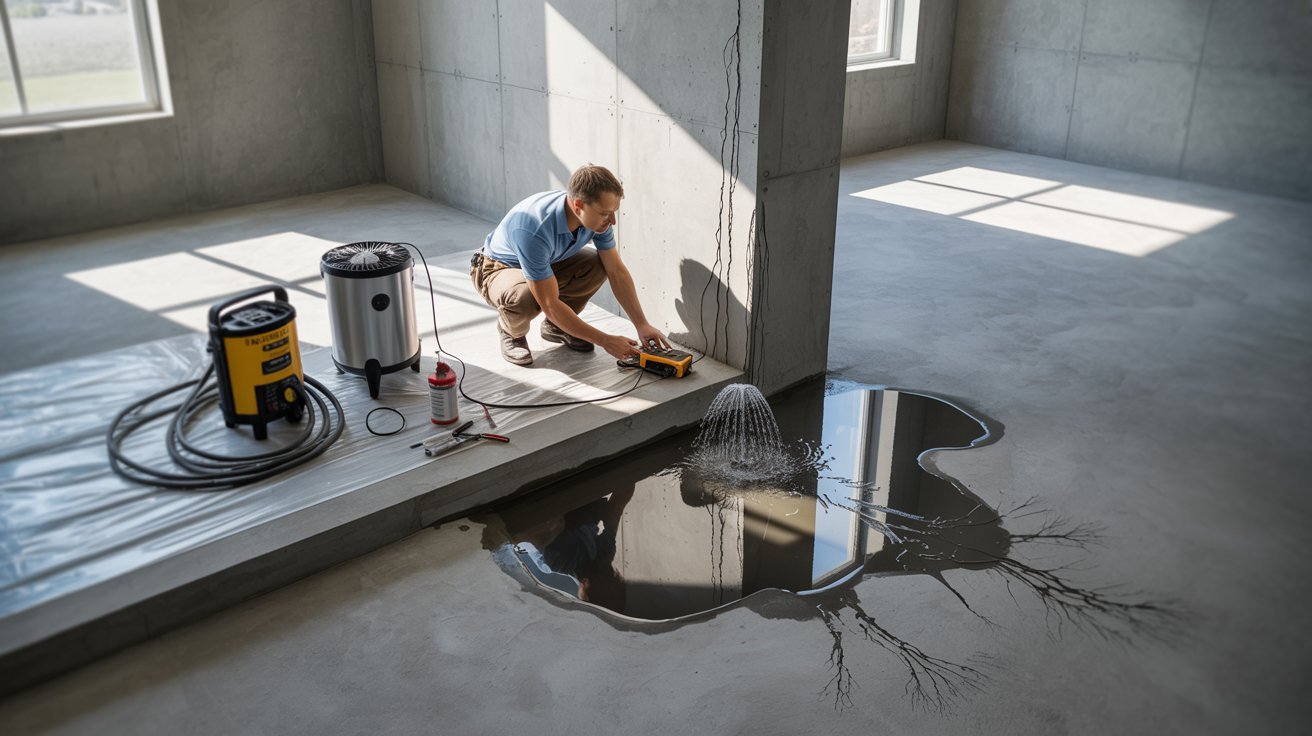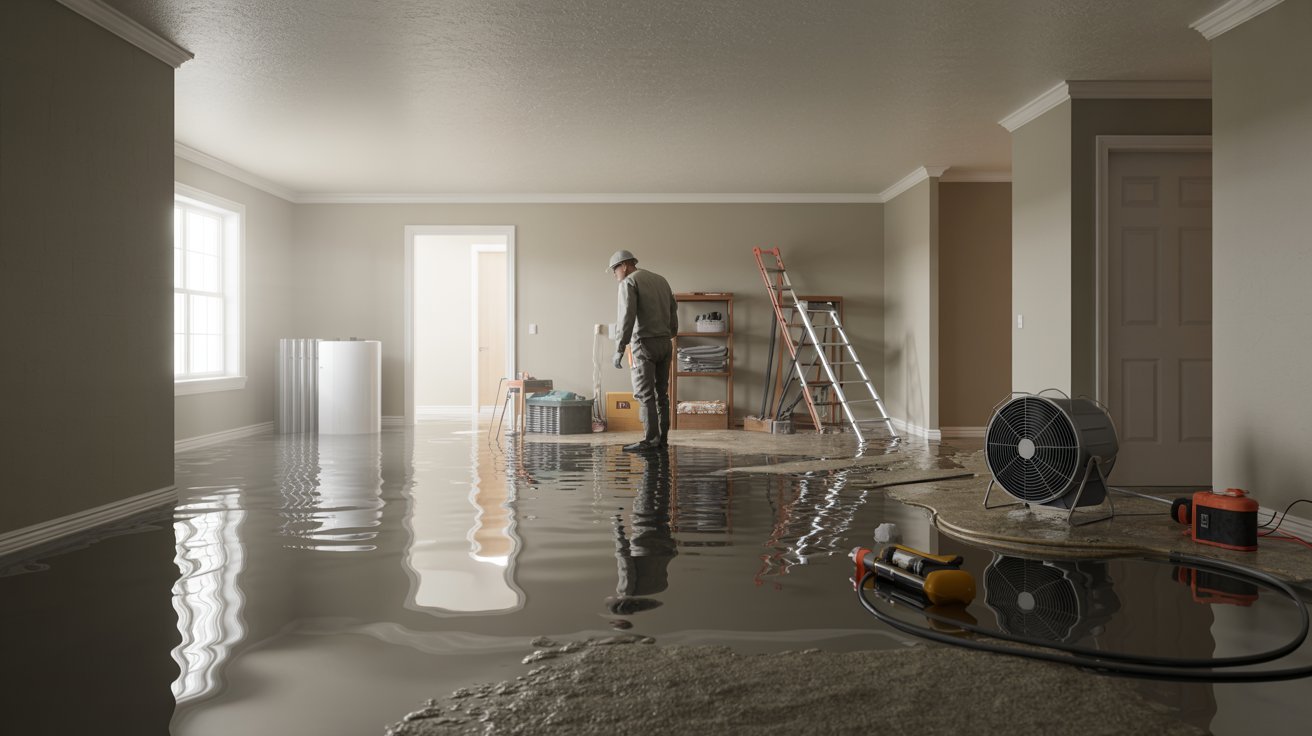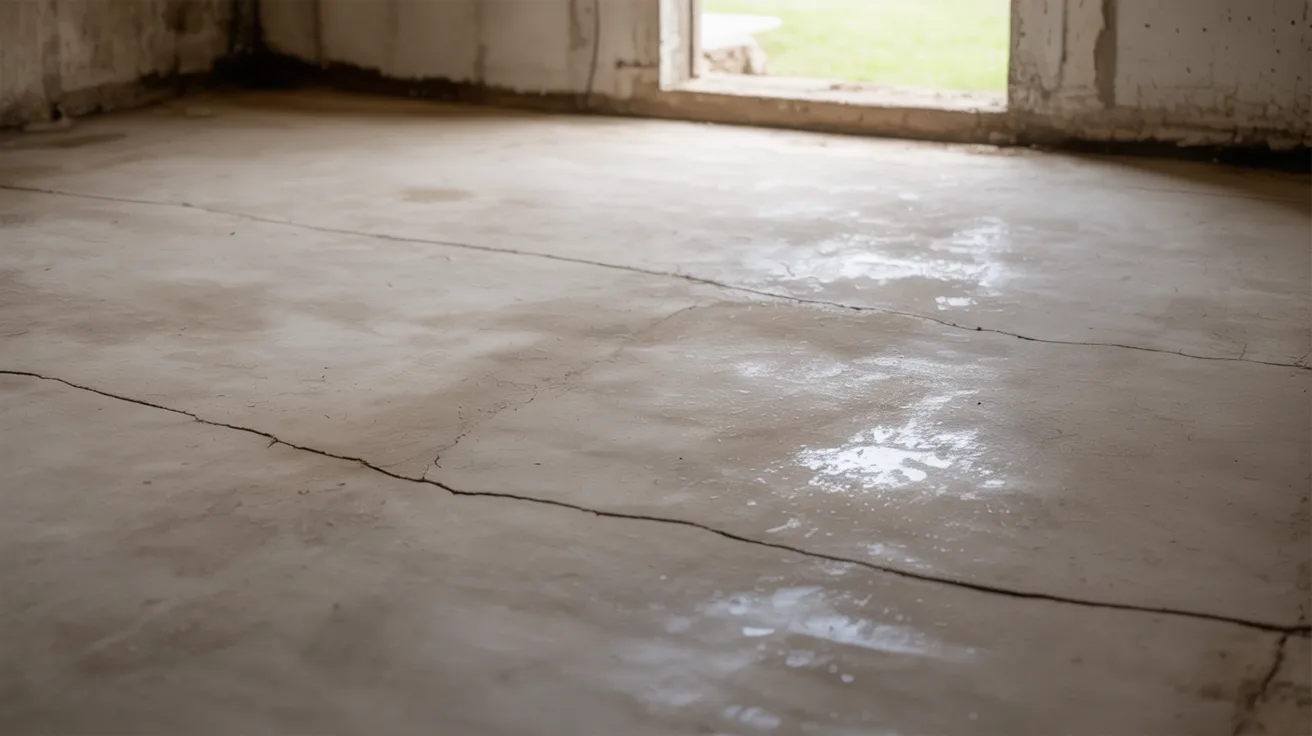
I've seen basement cracks get ignored for months and then turn into very expensive problems. If you're dealing with cracks in your basement floor, you're in the right place.
This guide covers everything about basement floor crack repair cost from minor hairline fixes to serious structural repairs.
I'll walk you through repair methods, pricing by type, and when to call a pro. You'll know exactly what to expect before spending a single dollar.
With years of home repair research and real contractor data behind this guide, you can trust what you read here. By the end, you'll have a clear plan and full confidence to move forward.
What Impacts Basement Floor Crack Repair Cost
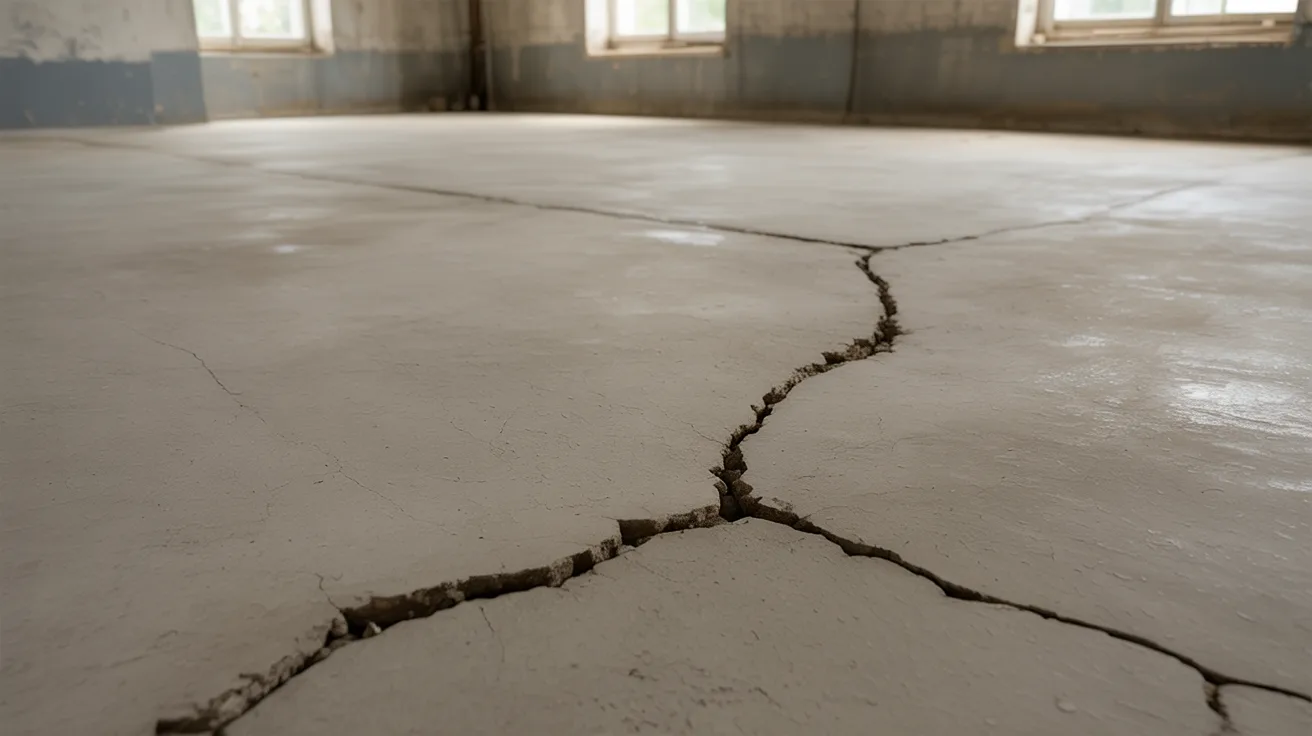
Several factors push repair prices up or down, and knowing them helps you plan better. The type of crack matters most. Hairline cracks cost less to fix, while structural or actively leaking cracks cost significantly more.
The root cause also plays a big role, shrinkage, soil settling, and water pressure all lead to different repair methods and prices.
The total number and size of cracks, how easy it is to access the damaged area, and local labor and material rates all affect the final bill.
A single small crack in a dry basement is a very different job than multiple wide cracks with water seeping through.
Average Basement Floor Crack Repair Cost Breakdown
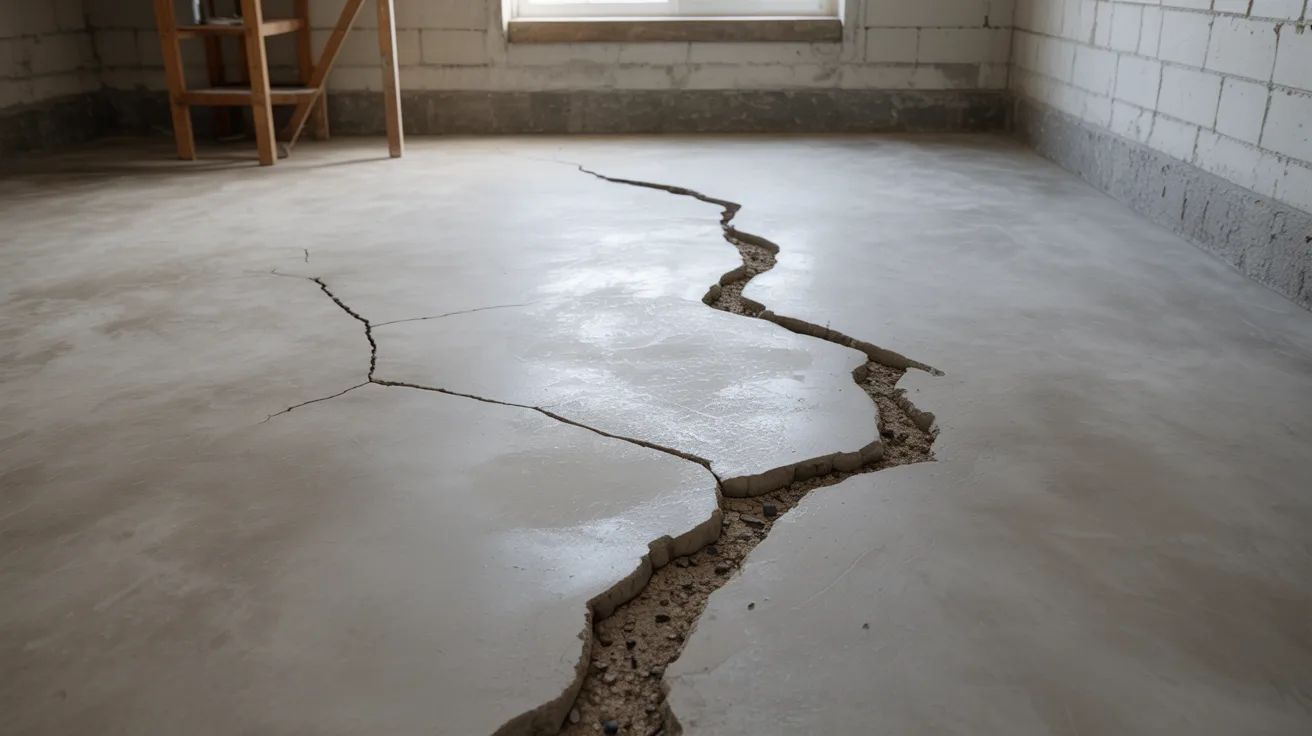
Most repairs fall within a predictable range, but some situations push costs higher.
Low-End Repairs ($300-$500)
Small, dry, hairline cracks with no water activity fall in this range. Simple injection or filler works fine here. These cracks are usually surface-level and not growing.
Most contractors can handle them quickly in a single visit without heavy equipment or prep work.
Mid-Range Repairs ($500-$900)
Moderate cracks with minor moisture need proper sealing and surface prep. The added labor and stronger materials push the price into this bracket.
A professional will clean the crack, apply the right filler, and check for any early signs of water pressure building underneath.
High-End Repairs ($1,000-$1,500+)
Active leaks, wide cracks, or cracks caused by shifting soil require professional-grade repair. These jobs take more time, stronger materials, and sometimes special equipment.
If your basement has multiple cracks or signs of hydrostatic pressure, costs can go well above $1,500 depending on how bad the damage is.
Cost by Repair Method DIY vs Professional
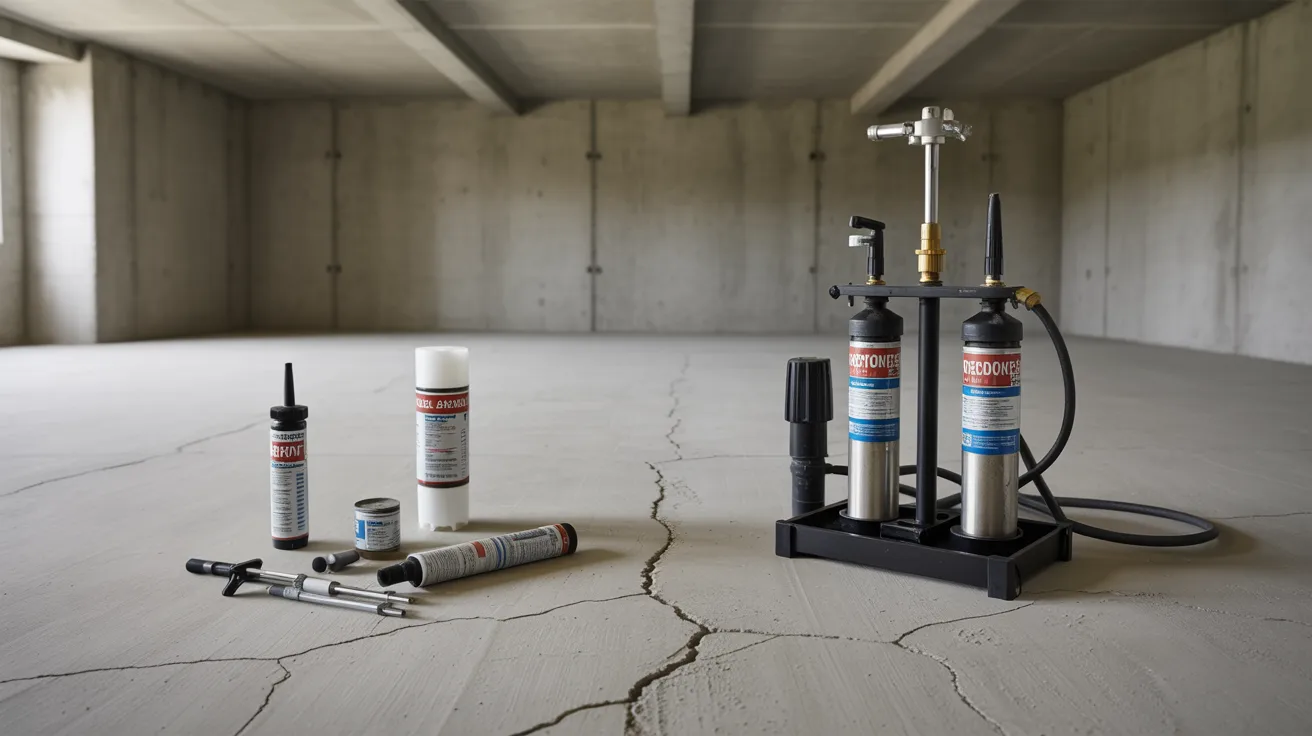
The method you choose directly changes what you spend and what results you get.
DIY Repair Costs
DIY kits are affordable. Basic options include:
- Caulk or crack filler: $10 to $30
- Epoxy injection kits: $50 to $150
- Hydraulic cement: $20 to $60
These work for dry, non-structural hairline cracks. But DIY has real limits. If there's water pressure behind the crack, a store-bought kit won't hold for long.
Professional Repair Costs
Professionals use stronger methods:
- Epoxy injection: $400 to $800 per crack. Best for dry structural cracks that need bonding strength.
- Polyurethane injection: $300 to $700 per crack. Better for wet or leaking cracks since it expands to block water.
- Grind and seal: $600 to $1,200. Used for wide surface cracks. The pro grinds the area flat, then applies a strong sealant.
Professional repairs come with warranties. That alone makes them worth it for serious cracks.
Key Cost Factors That Increase Repair Price
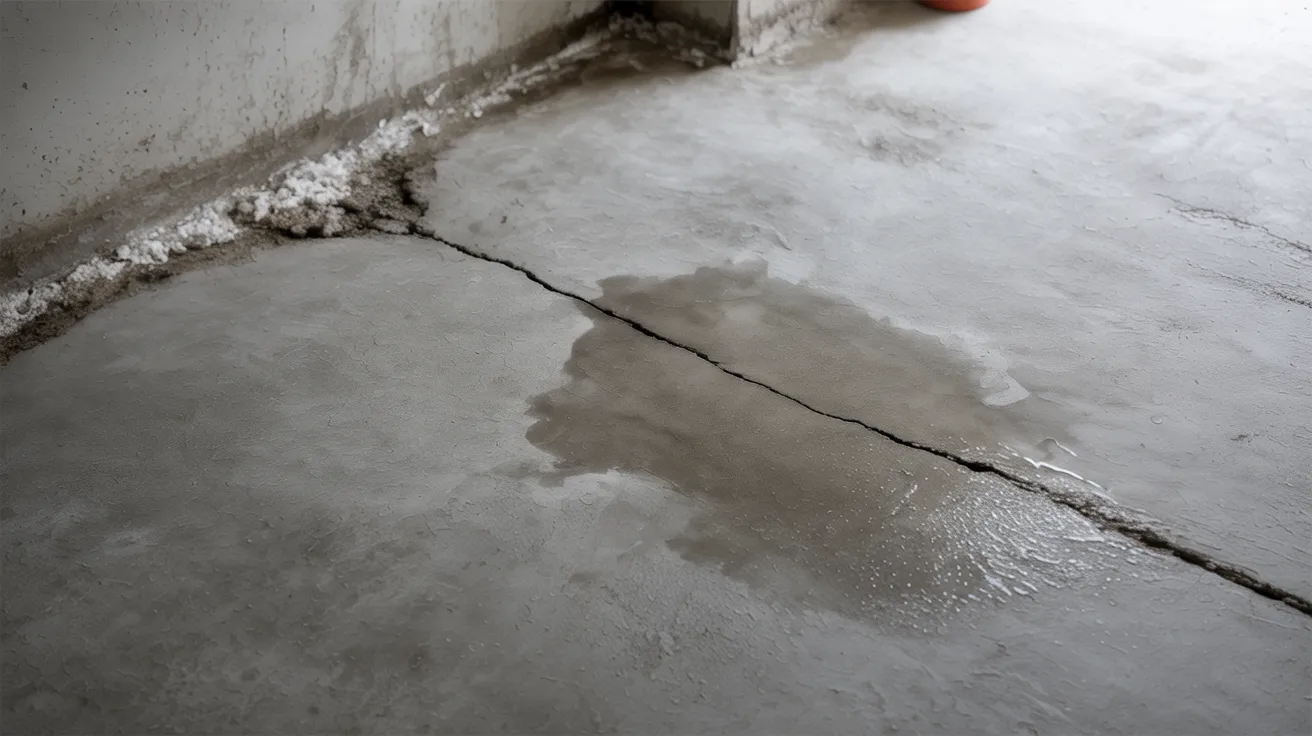
Some situations make crack repair more complex and more expensive than you might expect.
Active Water Leakage
Active water leakage is the biggest price driver in any basement crack repair job. When water is pushing through a crack, standard fillers simply fail under pressure.
Contractors need waterproofing-grade materials to get the job done right. In many cases, they also need to find and address the water source before sealing the crack itself.
This adds both time and cost to the overall repair.
Multiple Cracks and Surface Damage
Having multiple cracks means more labor, more materials, and a higher total bill. Each crack is treated as a separate repair, so costs add up fast.
If the concrete around a crack is spalling, chipped, or uneven, the contractor must grind and clean it before any filler or sealant can be applied properly. Skipping this step leads to repairs that fail early.
Radon Sealing Requirements
If you live in an area with radon concerns, crack repair gets more involved. Cracks in the basement floor must be sealed tightly to block radon gas from entering the living space.
This extra sealing work can add $200 to $500 or more to your total repair cost. The final number depends on how many cracks need sealing and the overall size of the affected area.
Basement Floor Crack Repair vs Waterproofing Costs
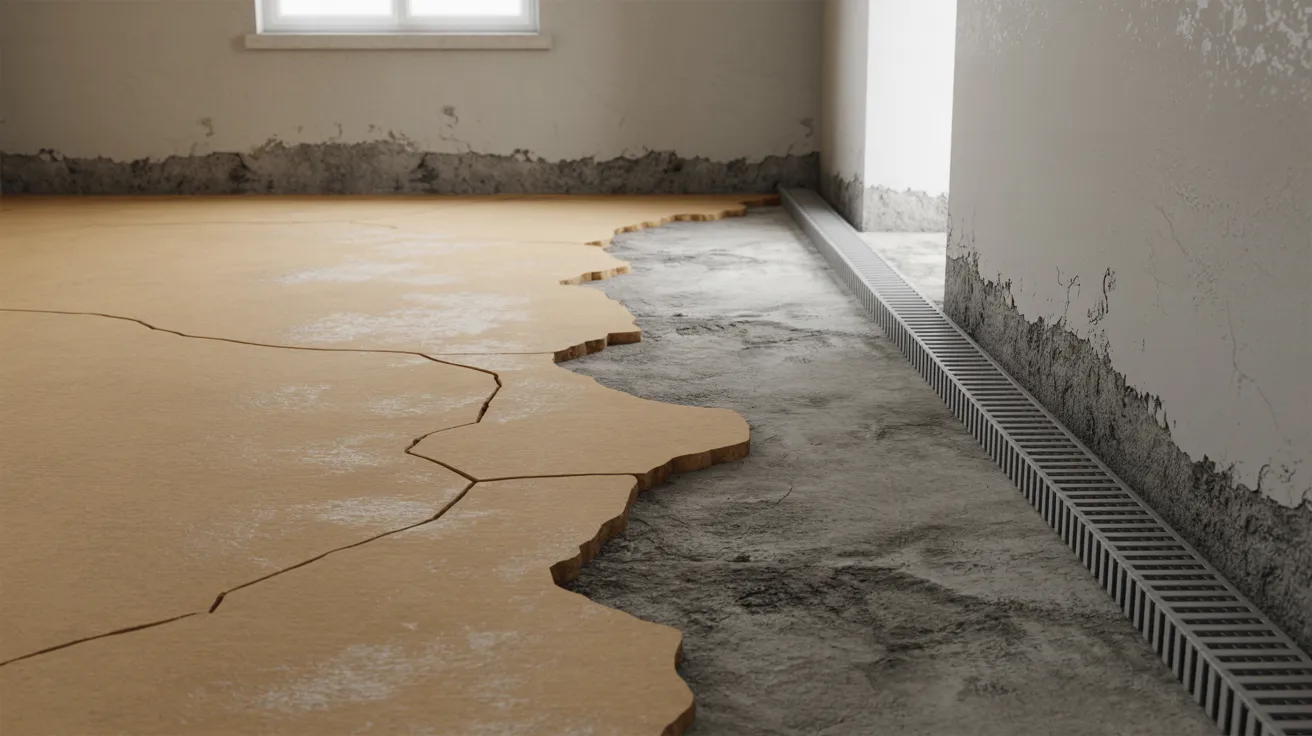
Crack repair fixes a specific spot. Waterproofing protects the whole space and costs differ greatly.
Crack repair alone works when
- The crack is dry or only slightly damp
- There's no pattern of recurring leaks
- The rest of the basement floor is in good shape
Full interior waterproofing becomes necessary when
- Water enters through multiple areas
- You see efflorescence or white mineral deposits across the floor
- Cracks keep coming back after repair
Interior drainage systems cost $3,000 to $10,000+ depending on basement size. That's a big jump from a $500 crack fix.
The smart move: fix the crack first, monitor it for 6 months, then decide if full waterproofing is needed.
When Basement Floor Crack Repair Becomes More Expensive
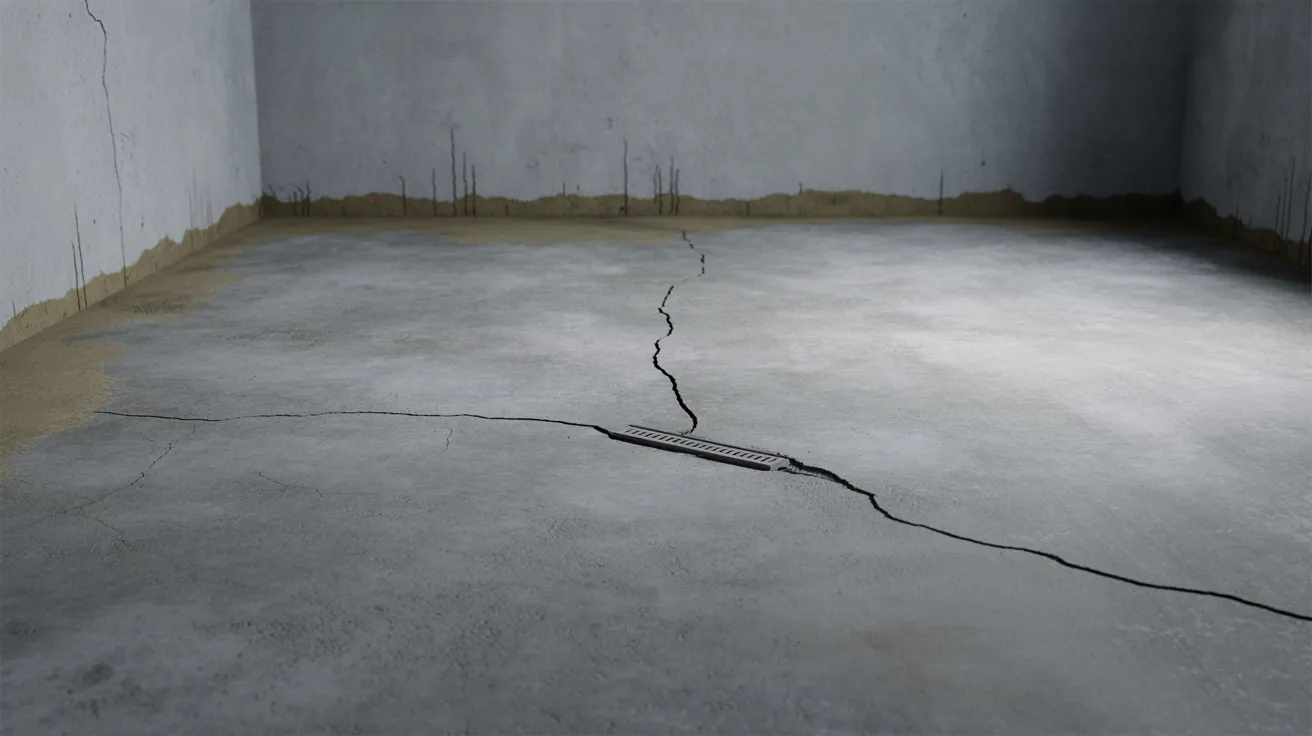
Certain conditions make what looks like a simple repair turn into a major job.
Slab Shifting or Structural Movement
If a crack shows vertical displacement, the slab may be actively moving. This is not a simple filler job and needs a structural engineer before any repair begins.
Ignoring this sign leads to much bigger and costlier foundation problems.
Poor Exterior Drainage
If water pools near your foundation, hydrostatic pressure builds under the slab and pushes through every crack it finds.
No interior repair holds long-term without fixing the drainage issue first. Addressing the outside is just as important as sealing the inside.
Widespread Cracking
One crack is a repair, but ten cracks across the floor signal something far more serious. Widespread cracking can point to foundation failure or major soil movement.
Costs in these cases can reach anywhere from $5,000 to $15,000.
Emergency Water Intrusion
When water is actively flooding in, emergency service rates apply immediately. Contractors charge premium pricing for same-day or weekend calls.
The repair also costs more because the area needs drying and prep work before any sealing can begin.
Tips to Reduce Basement Floor Crack Repair Cost
Small steps taken early can save you hundreds or even thousands of dollars.
- Fix exterior drainage first. Make sure gutters direct water away from your foundation to prevent new cracks.
- Repair cracks early. A $150 epoxy kit today beats a $700 professional injection job later.
- Bundle multiple repairs into one visit. Contractors usually charge less per crack when fixing several at once.
- Always get a professional inspection first. Spending $100 to $200 can easily save you from a $1,000 mistake.
- Address the root cause first. Sealing a crack without fixing the underlying problem means it will come back.
- Compare at least two or three contractor quotes. Prices vary widely, so shopping around helps you avoid overpaying.
Conclusion
Dealing with basement floor cracks is never fun, but catching them early makes a real difference. I once spoke with a homeowner who ignored a small crack for a year and ended up paying triple the original repair cost.
Start with a proper inspection, understand what type of crack you have, and pick the right fix for your situation.
Basement floor crack repair cost does not have to break your budget if you act early and stay informed. Found this helpful? Drop a comment below or share it with someone who needs it!
Frequently Asked Questions
How much does it cost to fix a hairline crack in a basement floor?
Hairline cracks typically cost $300 to $500 to fix professionally. DIY kits can handle them for as little as $20 to $50 if there's no active water.
Is basement floor crack repair covered by homeowners insurance?
Most policies don't cover gradual crack damage. However, if a sudden event like a burst pipe caused the crack, your insurance may cover part of the repair cost.
How long does a professional basement floor crack repair last?
A quality epoxy or polyurethane injection repair can last 10 to 20 years. Longevity depends on fixing the root cause, such as drainage or water pressure issues.
Can I repair a leaking basement floor crack myself?
You can try hydraulic cement for minor leaks, but active water pressure usually needs professional polyurethane injection. DIY fixes on leaking cracks often fail within months.
When should I be worried about cracks in my basement floor?
Be concerned if the crack is wider than 1/4 inch, growing over time, letting in water, or if one side is higher than the other. These signs point to structural or drainage problems.