Most basements sit empty for years. A dusty storage room, maybe some old boxes, and a lot of wasted square footage.
It does not have to stay that way.
A good basement renovation can give your home a whole new room. It can be a movie night spot, a home office, a gym, or just a cozy place to unwind. The options are wider than most people think.
I have put together 21 basement renovation design ideas to help you see what is possible. Some are bold. Some are simple.
But all of them can turn that ignored space into one of the best parts of your home.
Let's get into it.
What Makes a Good Basement Renovation Design?

A good basement renovation starts with knowing how you want to use the space. Think about your lifestyle first.
Do you need a quiet spot to work? A fun room for the kids? A place to host friends?
Once you know the purpose, the design decisions get a lot easier. Lighting, flooring, and layout all fall into place when you have a clear goal in mind.
The best basement renovations are the ones that actually get used every single day.
List of 21 Basement Renovation Design Ideas
Here are 21 basement renovation design ideas to help you make the most of your space. From cozy lounges to home gyms, there is something here for every style and budget.
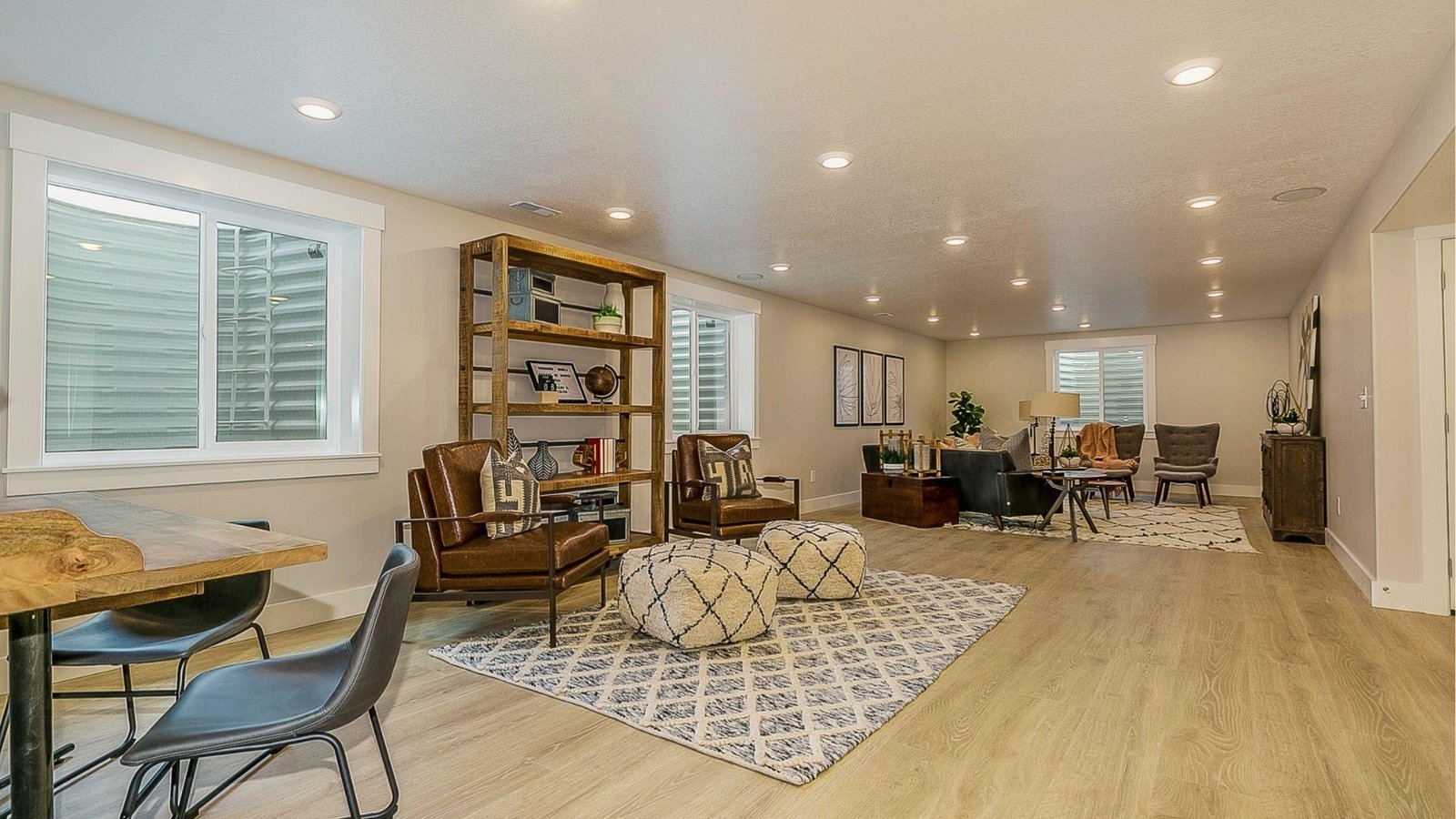
1. Modern Open-Concept Basement Living Room
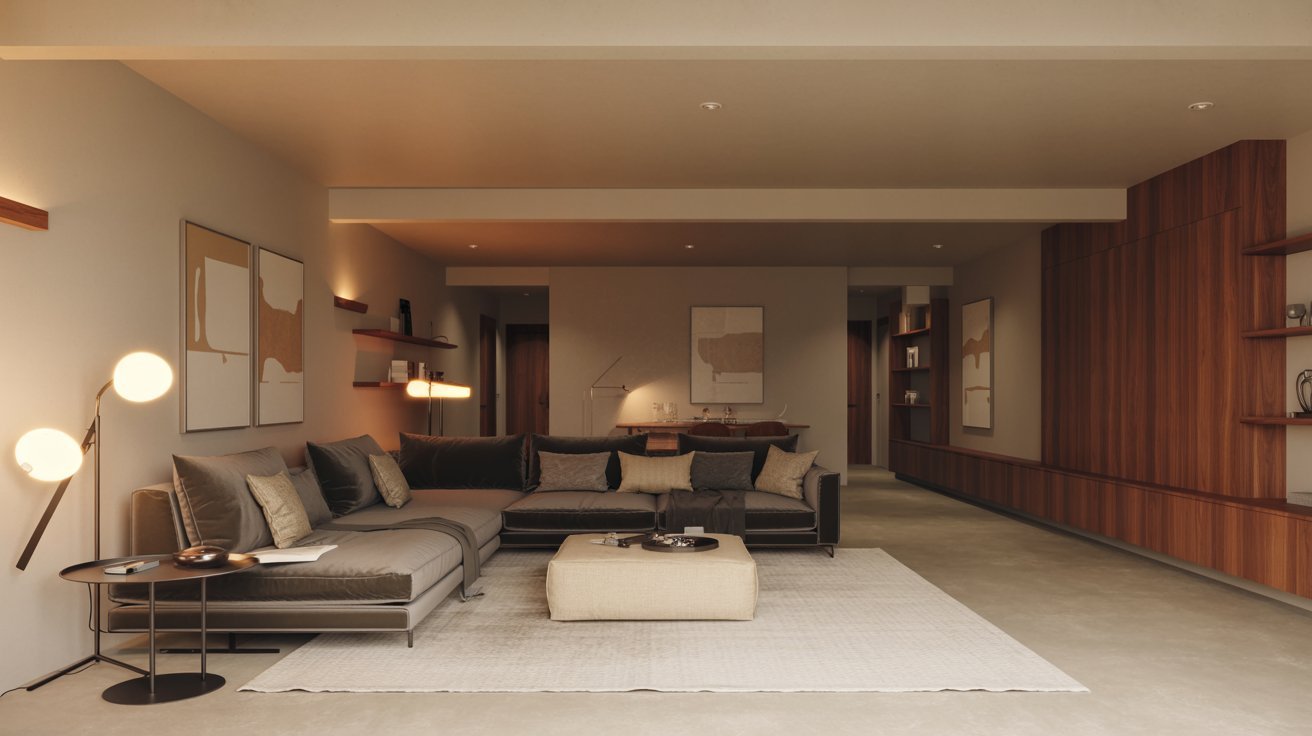
An open-concept layout makes your basement feel bigger. Skip unnecessary walls where you can. Use a large rug to anchor the seating area.
Add a comfortable sofa, warm lighting, and some wall art. It starts feeling like a proper living room pretty fast.
2. Cozy Sectional Sofa Lounge with Neutral Decor
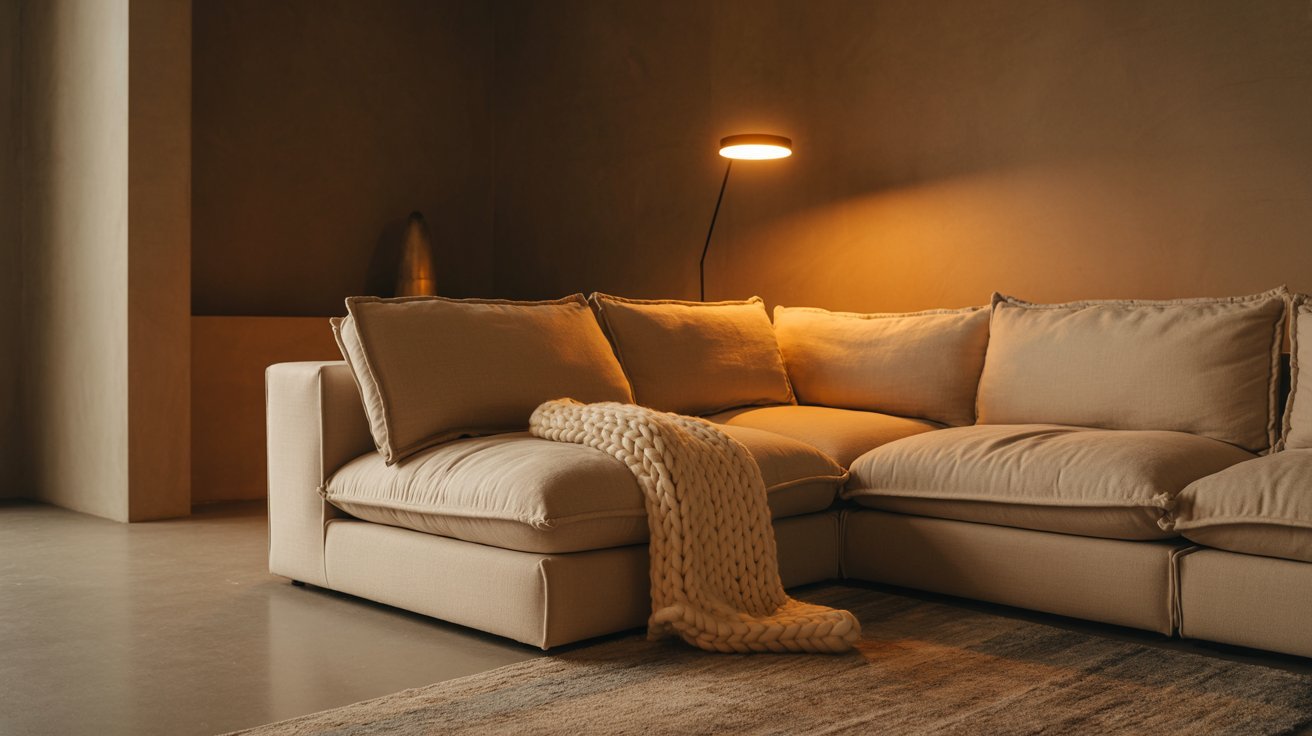
A sectional sofa fills a basement lounge perfectly. It seats everyone without cramping the space.
Stick to neutral tones like beige, grey, or cream. Add some cushions, a soft throw, and a floor lamp. Simple choices like these make the room feel warm and lived-in.
3. Fireplace-Centered Basement Retreat

A fireplace gives your basement a clear focal point. It adds warmth and makes the space feel intentional.
Go for an electric fireplace if a gas line is not available. Arrange seating around it and layer in some soft textiles. The whole room comes together quickly.
4. Industrial-Style Exposed Brick Basement Design
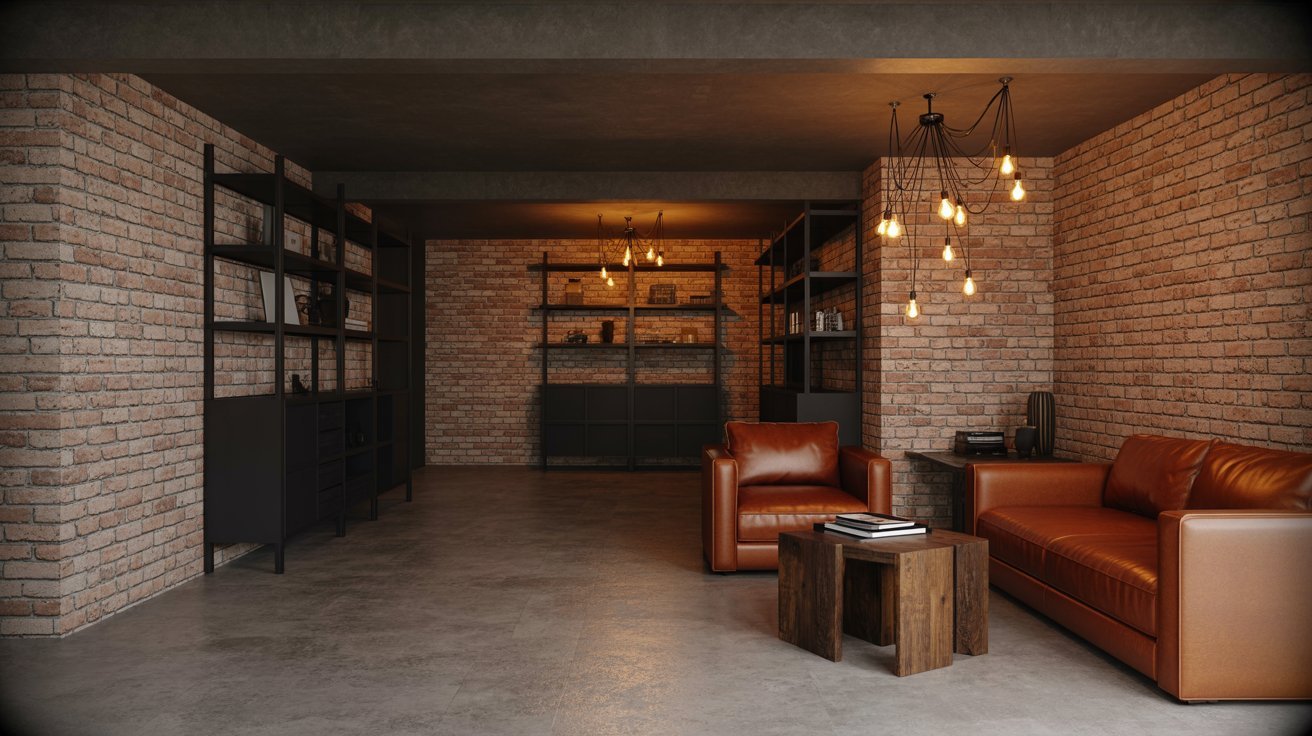
Exposed brick walls give a basement real character. If your basement already has brick, do not cover it up.
Pair it with metal shelving, concrete floors, and Edison bulb lighting. The raw, unfinished look works really well in a basement setting.
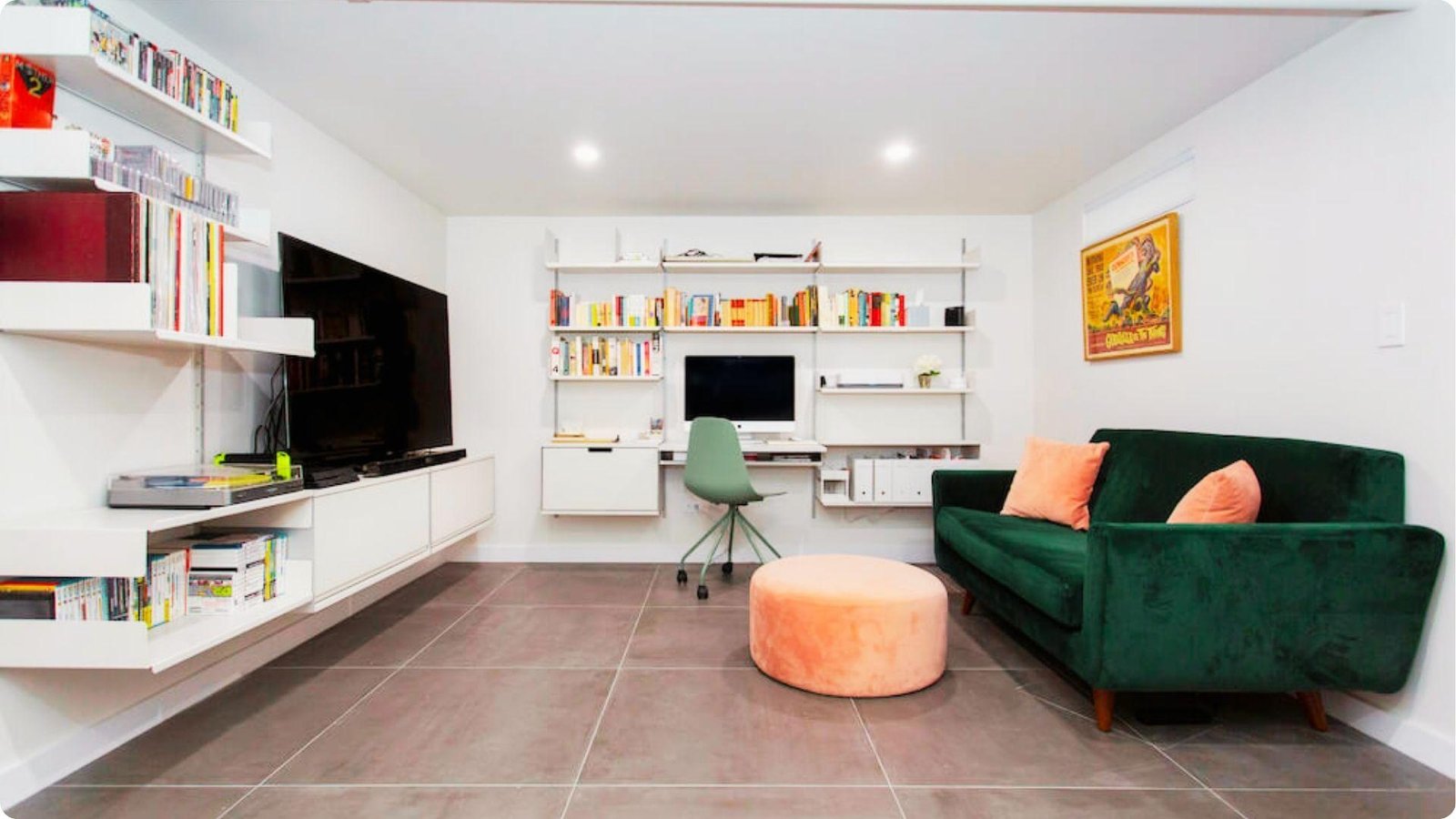
5. Minimalist Bright Basement with Clean Finishes

Bright basements feel open and airy. Use white or light grey walls to reflect as much light as possible.
Keep the furniture simple and low-profile. Avoid clutter. A minimalist approach works especially well in smaller basements where space needs to feel larger than it is.
6. Luxury Home Theater with Recliner Seating
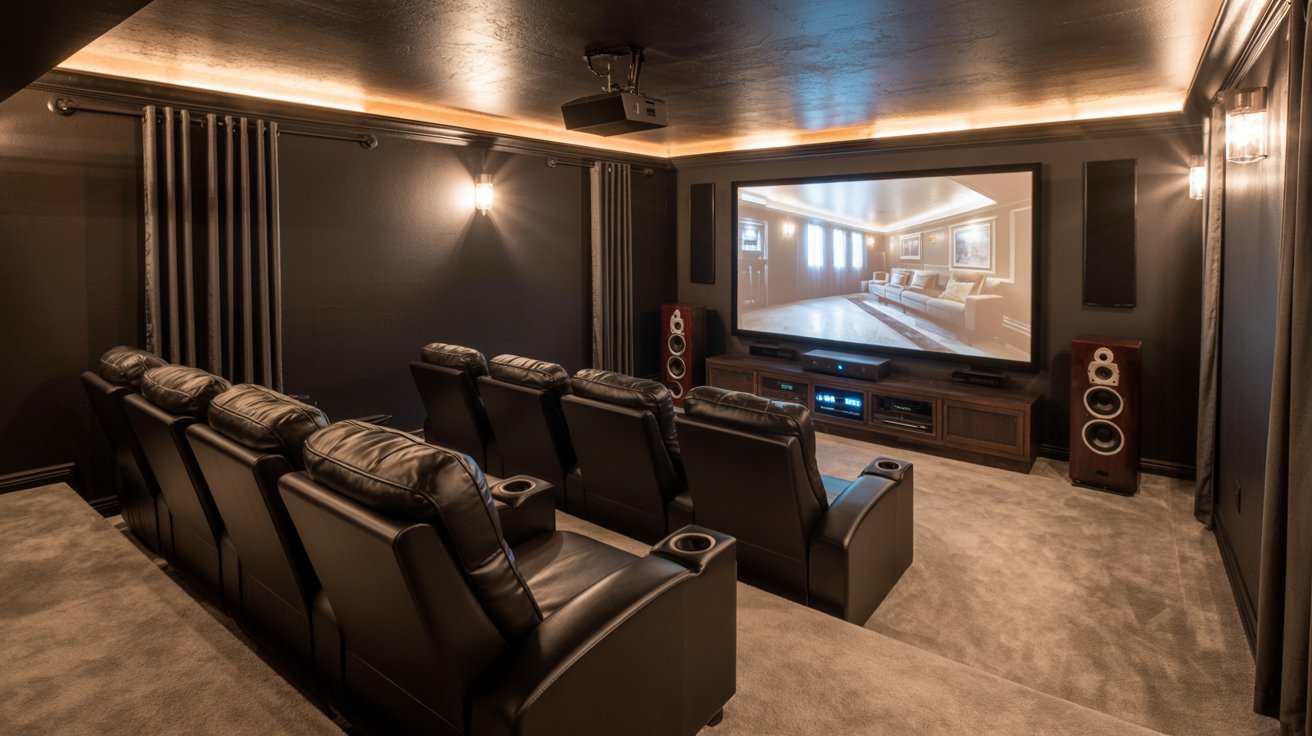
A home theater is one of the most popular basement upgrades. Install a large screen or projector.
Add recliner seating in tiered rows if the space allows. Use blackout curtains and surround sound. Once it is done, you will never want to go to a movie theater again.
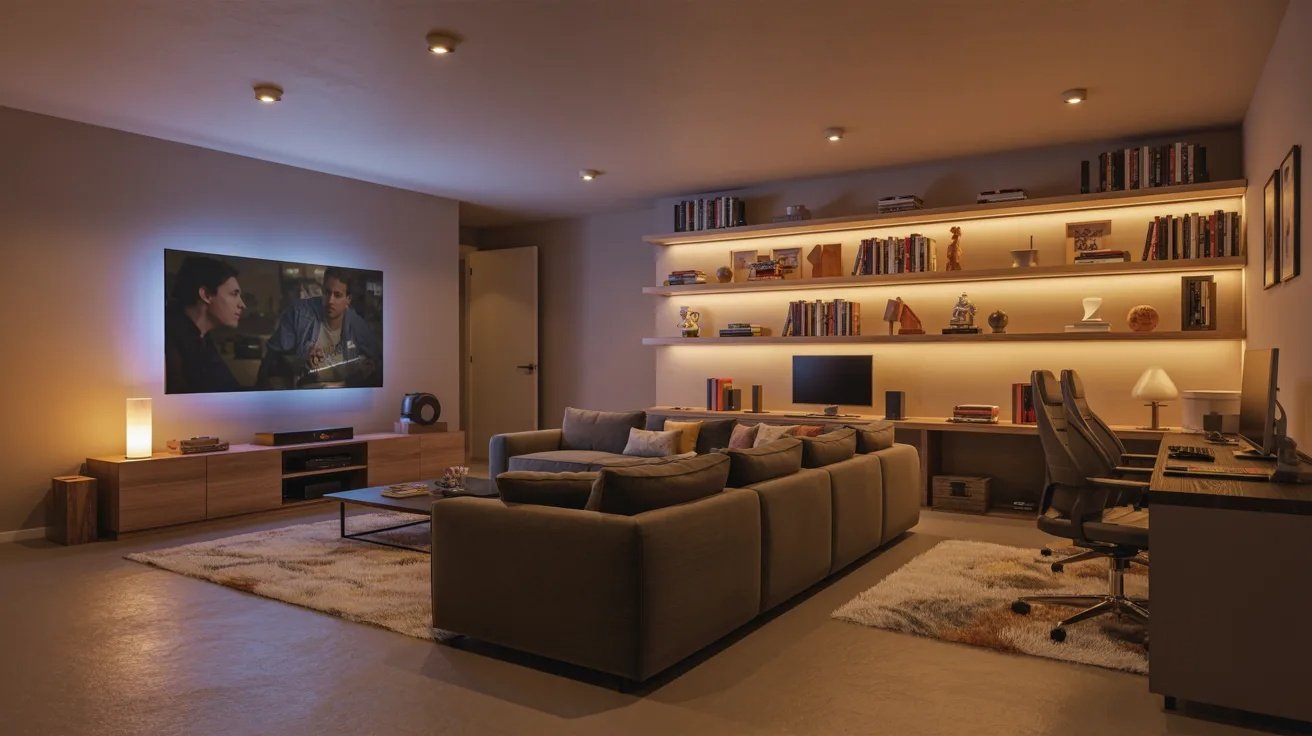
7. Wall-Mounted TV Media Room Setup
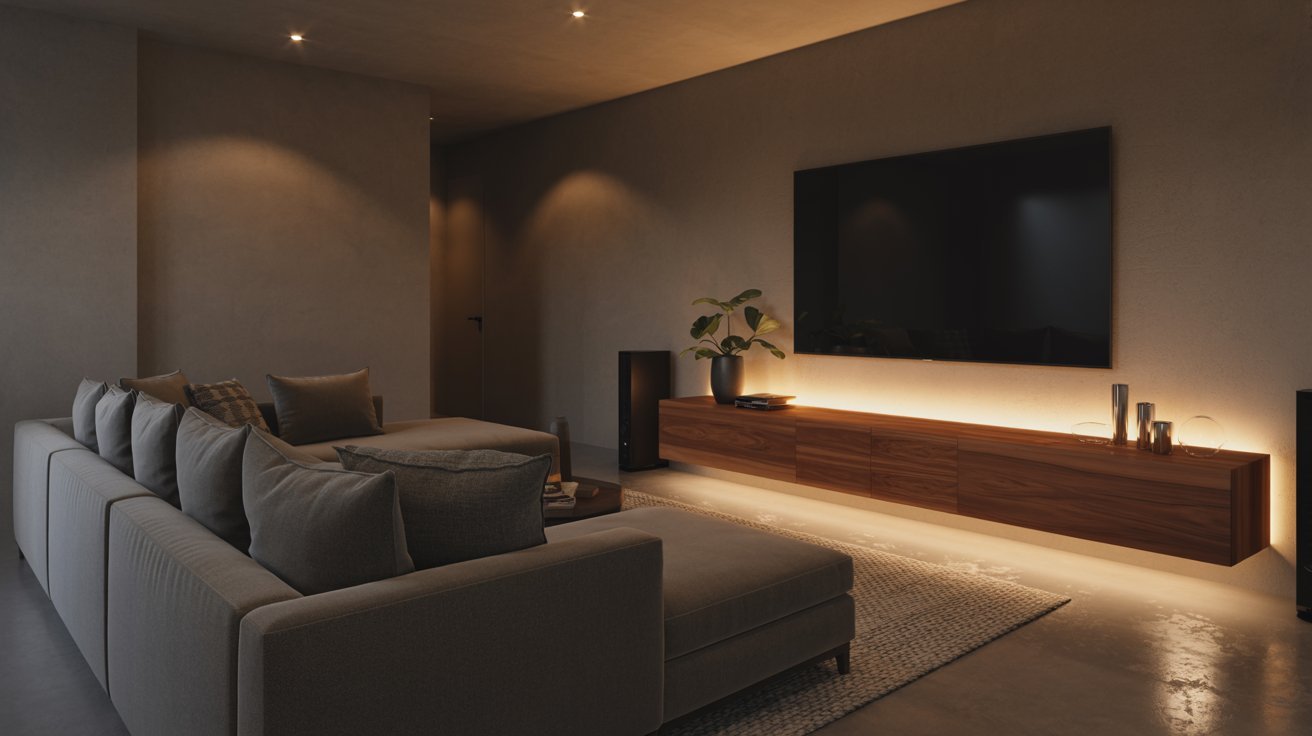
A wall-mounted TV keeps the room clean and focused. Build a media console below it for your devices and storage.
Add a comfortable sofa and some soft lighting around the screen. This setup works in almost any basement size and does not cost a fortune to pull off.
8. Sports Viewing Lounge with Bar Seating

If you love watching games, design your basement around that. Mount a large TV on the wall.
Add bar stools along a counter for a stadium-style feel. Throw in some team colors or sports memorabilia. It becomes the go-to spot every game night.
9. Projector-Based Movie Basement
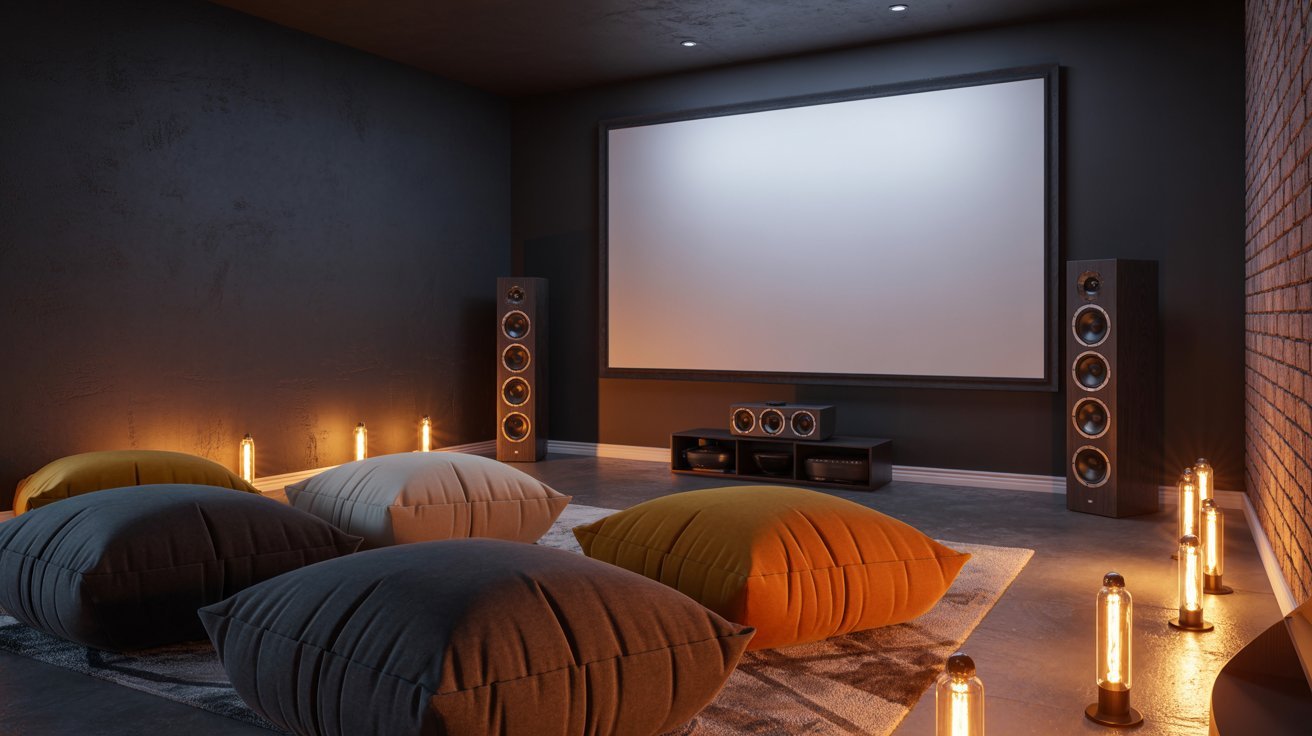
A projector gives you a much bigger picture than any TV. Use a blank white wall or install a pull-down screen.
Pair it with a good sound system and dimmable lights. Add some bean bags or floor cushions for a relaxed movie setup that feels different every time.
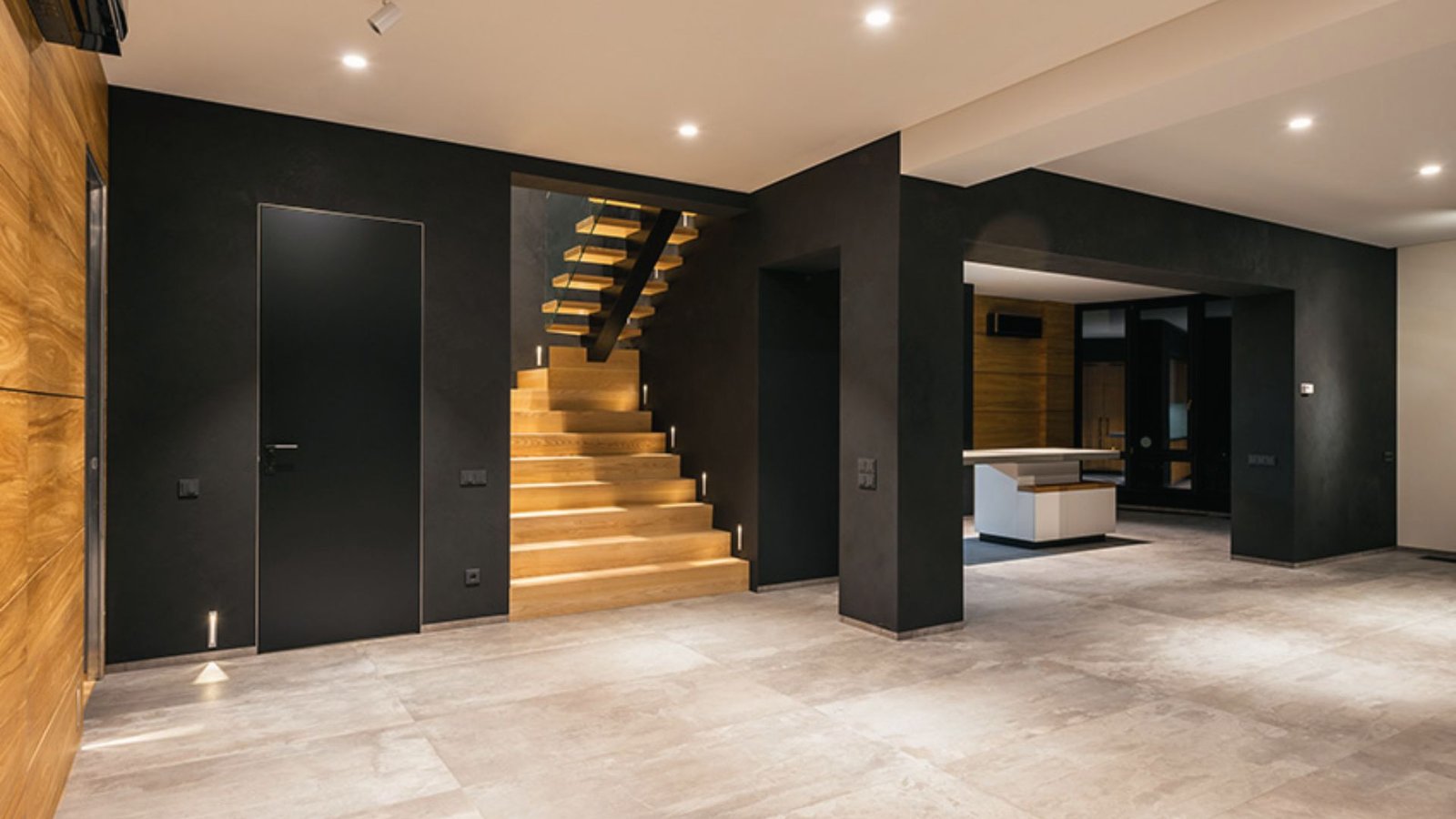
10. Dark Cinematic Basement Entertainment Room

Dark walls work really well in basements. Deep charcoal, navy, or black paint creates a cinematic mood without much effort.
Pair it with low lighting, plush seating, and a large screen. The lack of natural light in most basements actually works in your favor here.
11. Pool Table Game Room
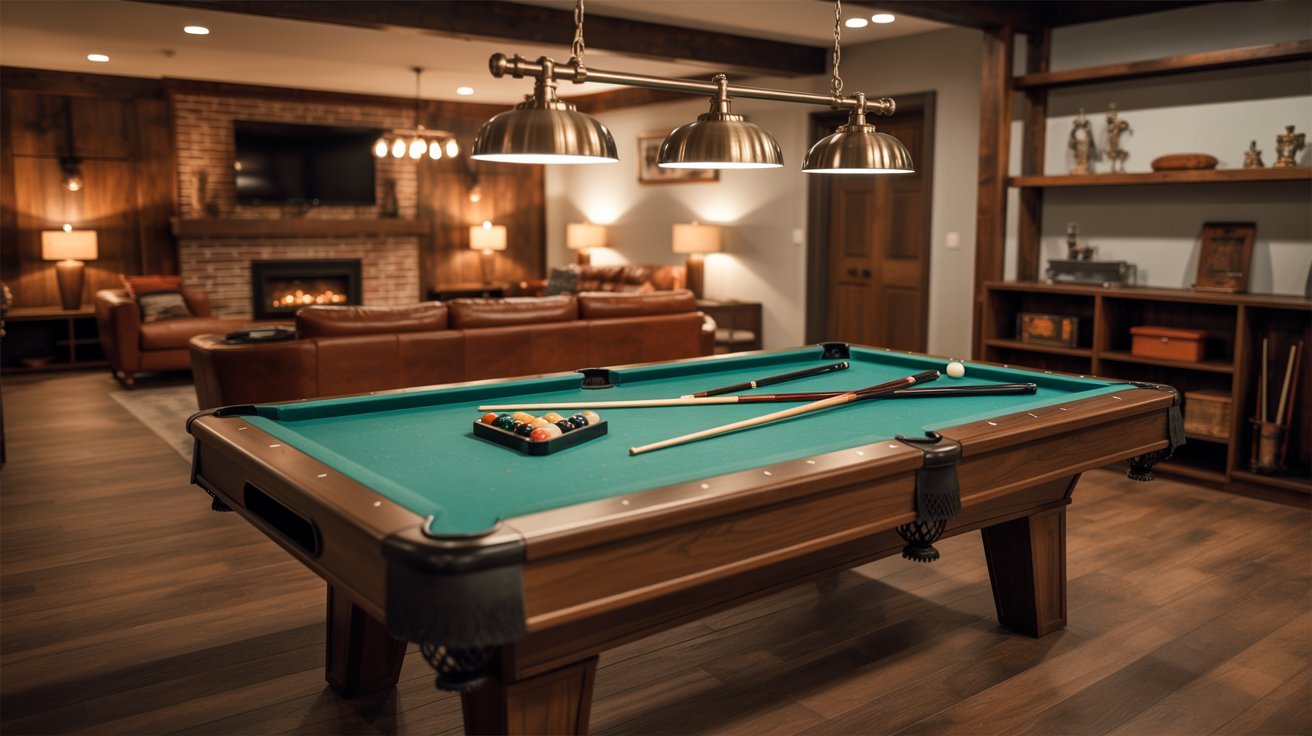
A pool table is a classic basement addition. It gives the room an instant purpose. Make sure you have enough clearance on all sides for comfortable play.
Add an overhead pendant light above the table. Include a small seating area on the side for people waiting their turn.
12. Retro Arcade-Style Basement
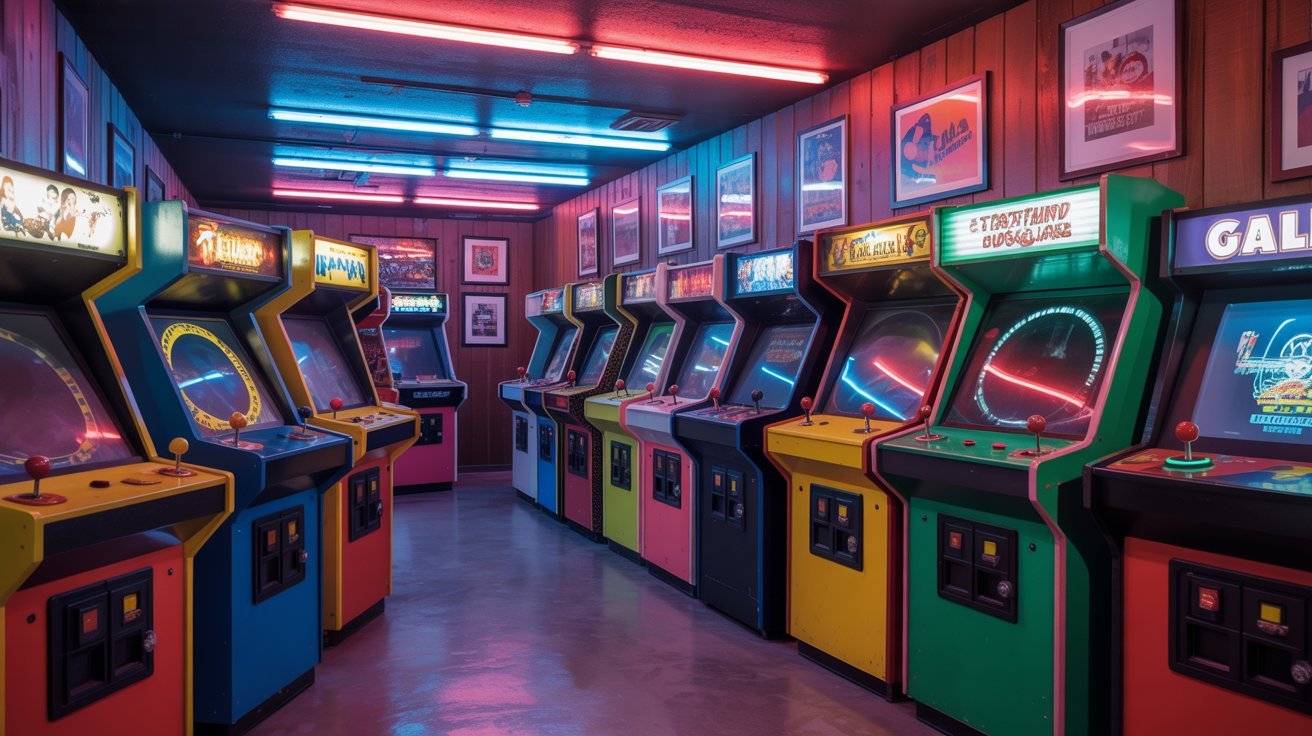
Arcade machines bring serious fun to a basement. You can buy full-size vintage machines or go for a multi-game cabinet.
Add neon signs, bold colors, and some retro posters. Keep the flooring durable. This setup works great for both kids and adults who love that old-school gaming feel.
13. Foosball and Ping-Pong Recreation Zone

Foosball and ping-pong tables are affordable and endlessly fun. They do not take up as much space as a pool table. Keep the flooring easy to clean.
Add open shelving for storing paddles, balls, and other gear. This kind of setup makes your basement the most popular room in the house.
14. Kids' Playroom with Built-In Storage
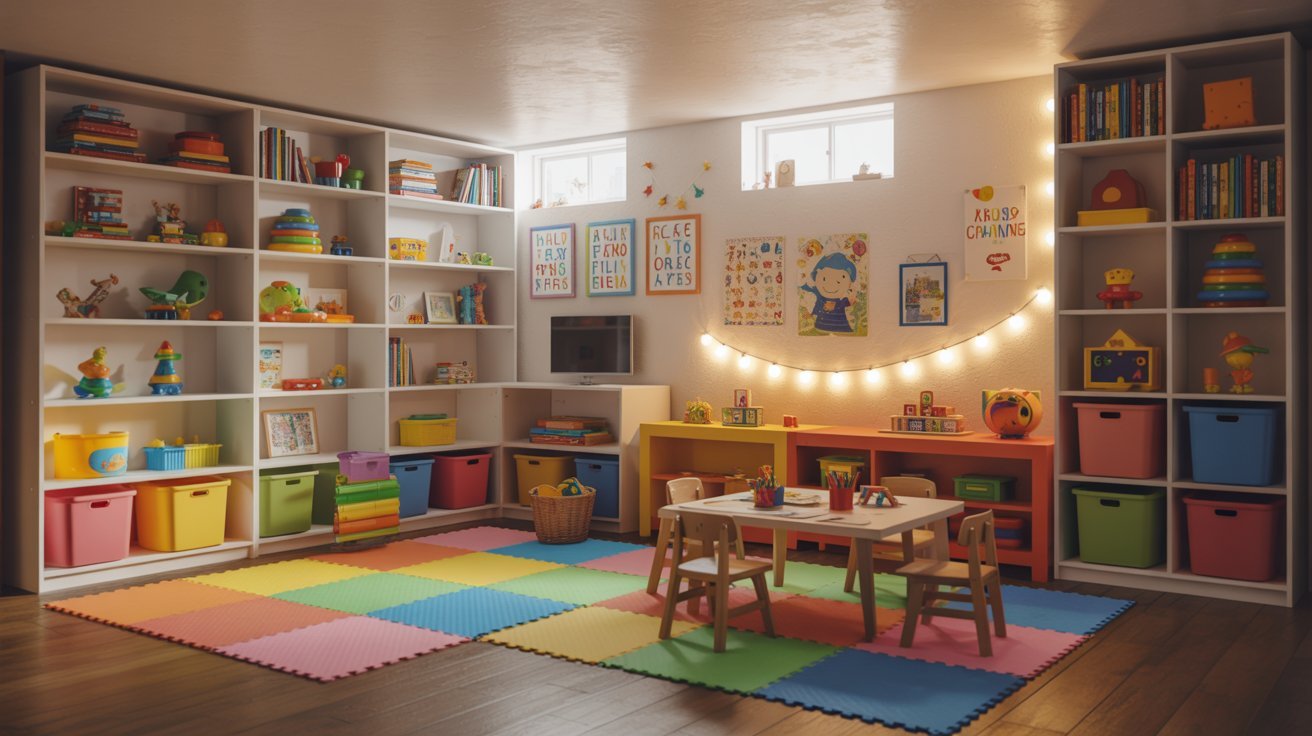
A basement playroom gives kids their own dedicated space. Use bright colors and soft flooring like foam mats or carpet.
Built-in shelving keeps toys and books organized. Add a small table for crafts or drawing. Having everything in one place makes cleanup much easier for everyone.
15. Family Board Game and Puzzle Area
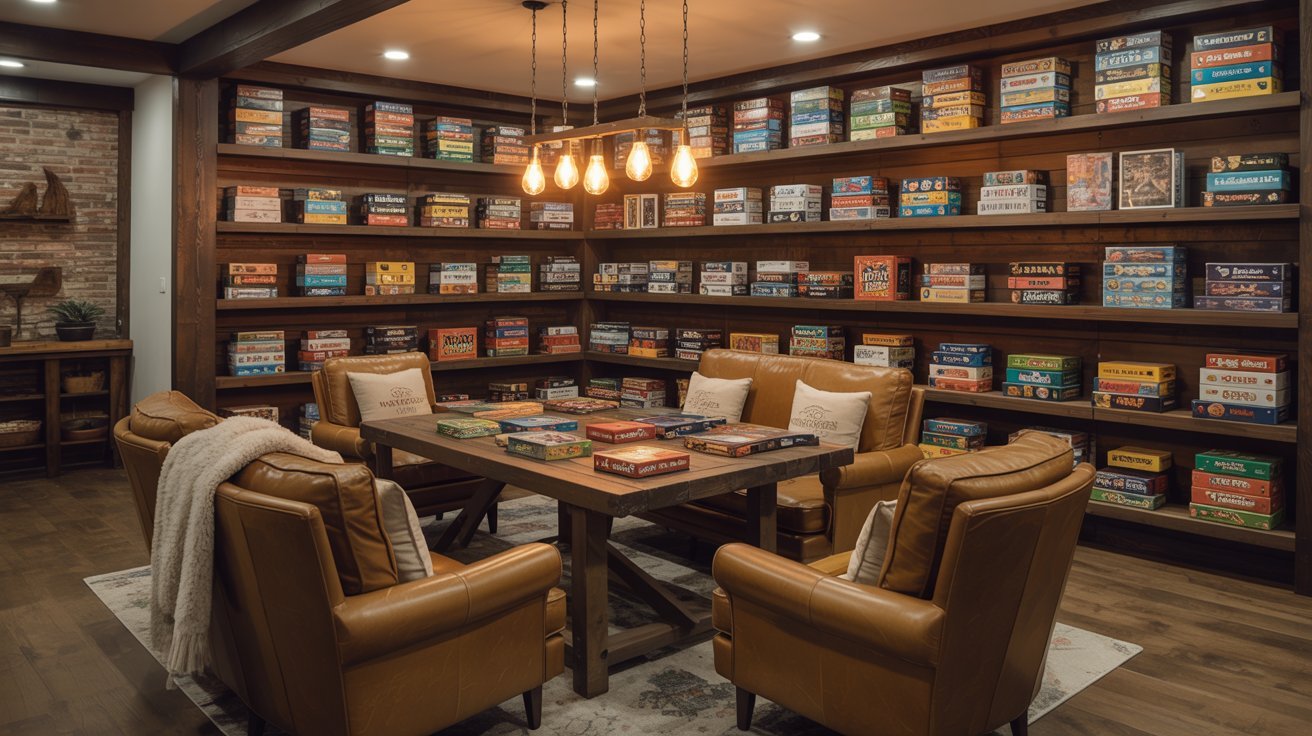
Set up a dedicated table for board games and puzzles. Use a large, sturdy table with comfortable chairs around it. Add open shelving nearby to store your game collection.
Good overhead lighting matters here. This kind of space brings the whole family together without needing a screen.
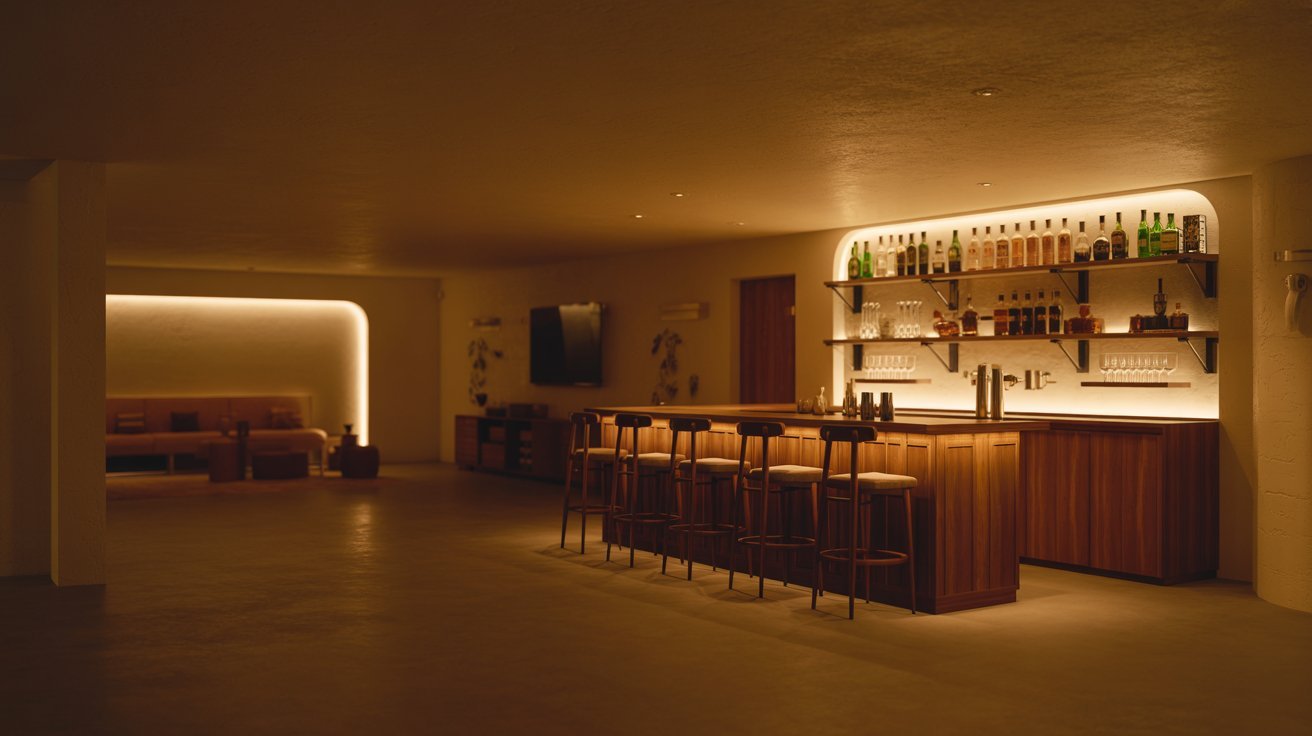
16. Modern Basement Wet Bar with Stools
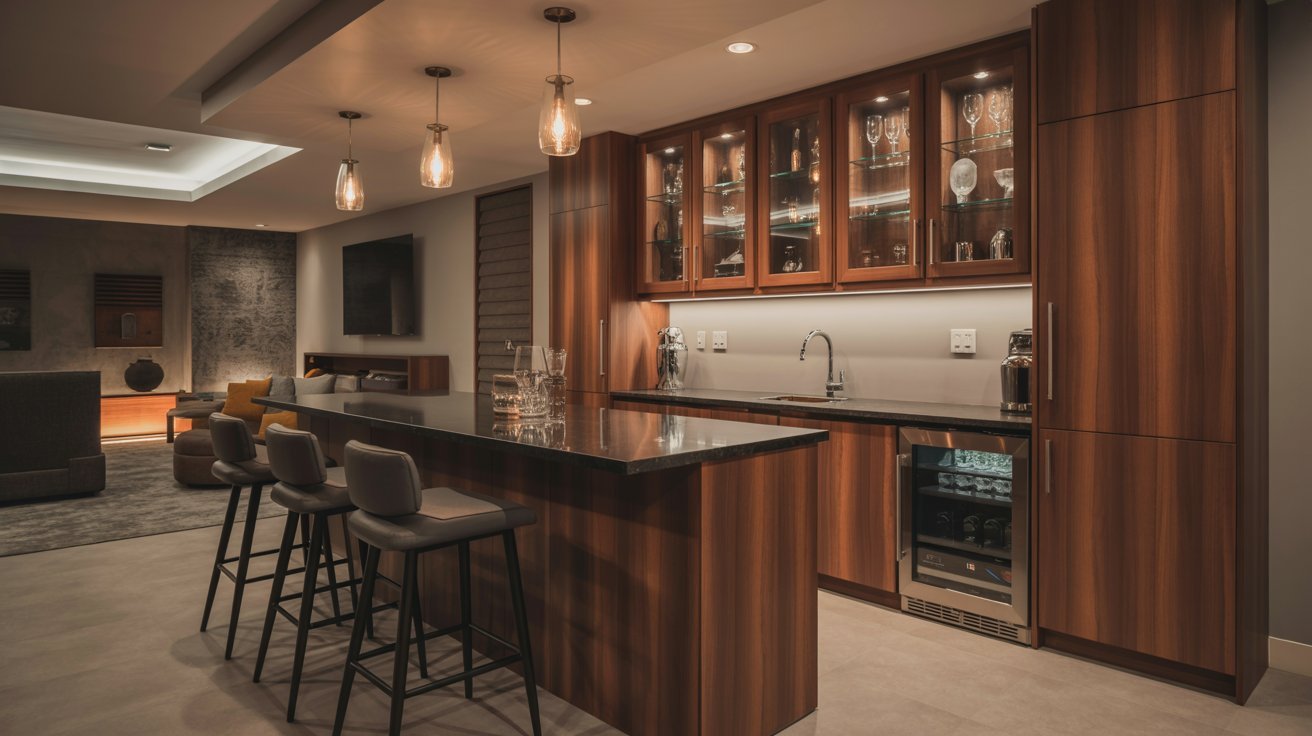
A wet bar adds real function to a basement. Include a sink, some counter space, and a mini fridge.
Add bar stools along the counter for casual seating. Use pendant lights above the bar area. It makes hosting so much easier and gives the space a polished, grown-up feel.
17. Wine Cellar with Tasting Corner
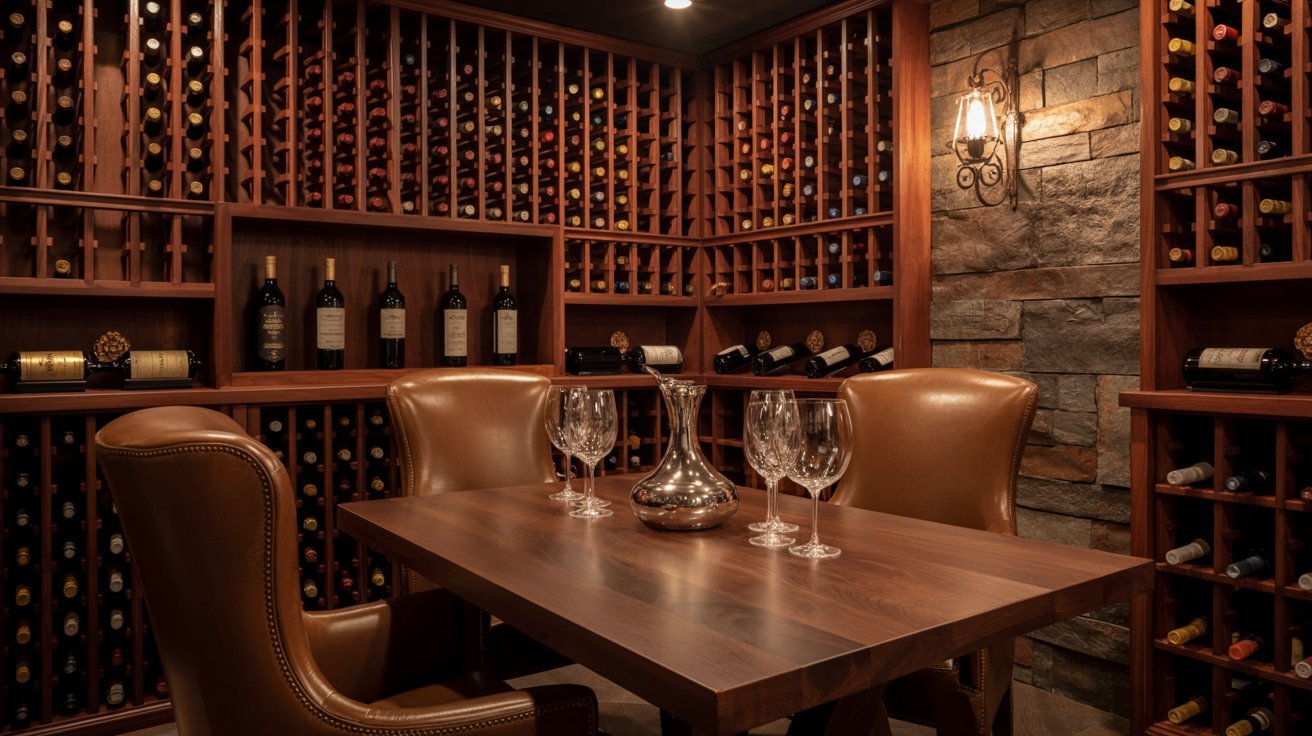
A basement is the perfect spot for a wine cellar. The naturally cool temperature helps with storage.
Install proper wine racks along the walls. Add a small table and two chairs for a tasting corner. Even a modest wine setup like this feels impressive and adds real value to your home.
18. Compact Mini Bar for Small Basements
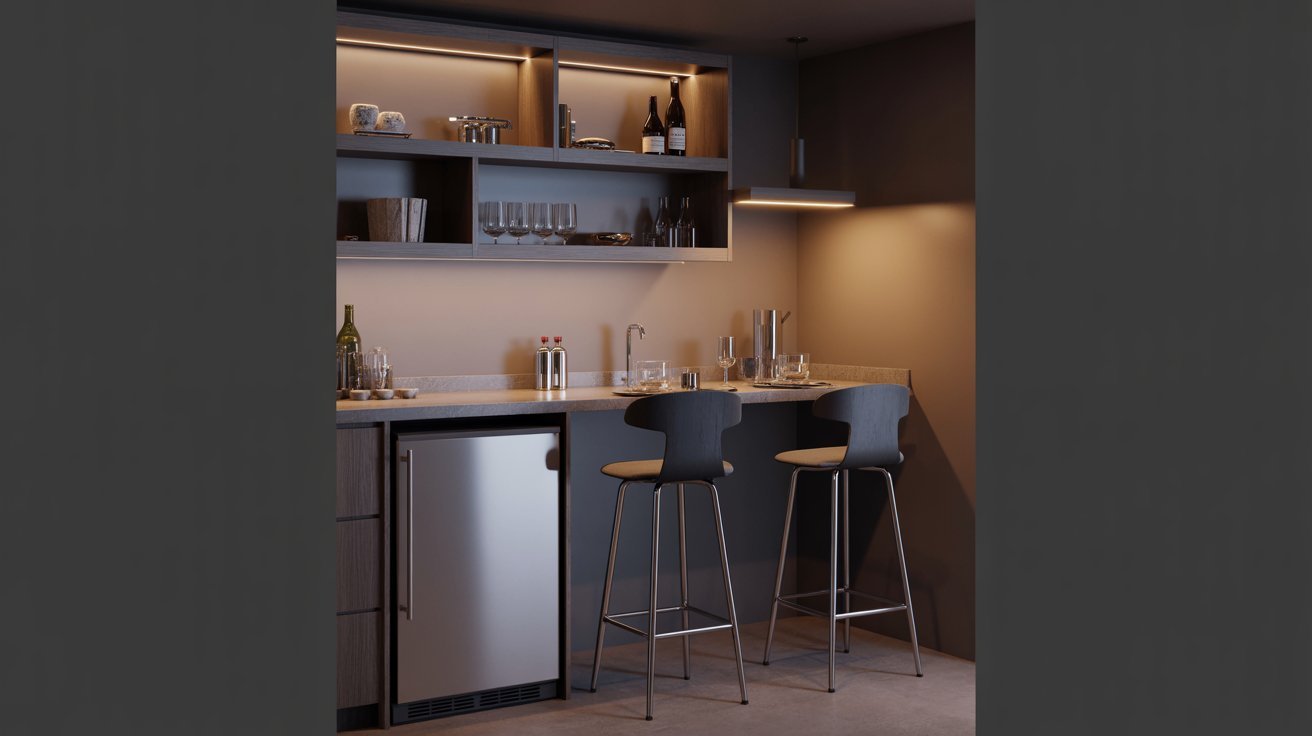
You do not need a lot of space for a mini bar. A small counter, a bar fridge, and some open shelving is all it takes.
Add a couple of bar stools and some good lighting. Keep the design simple and clean. Even a tight basement corner can pull this off well.
19. Home Gym with Mirrors and Equipment
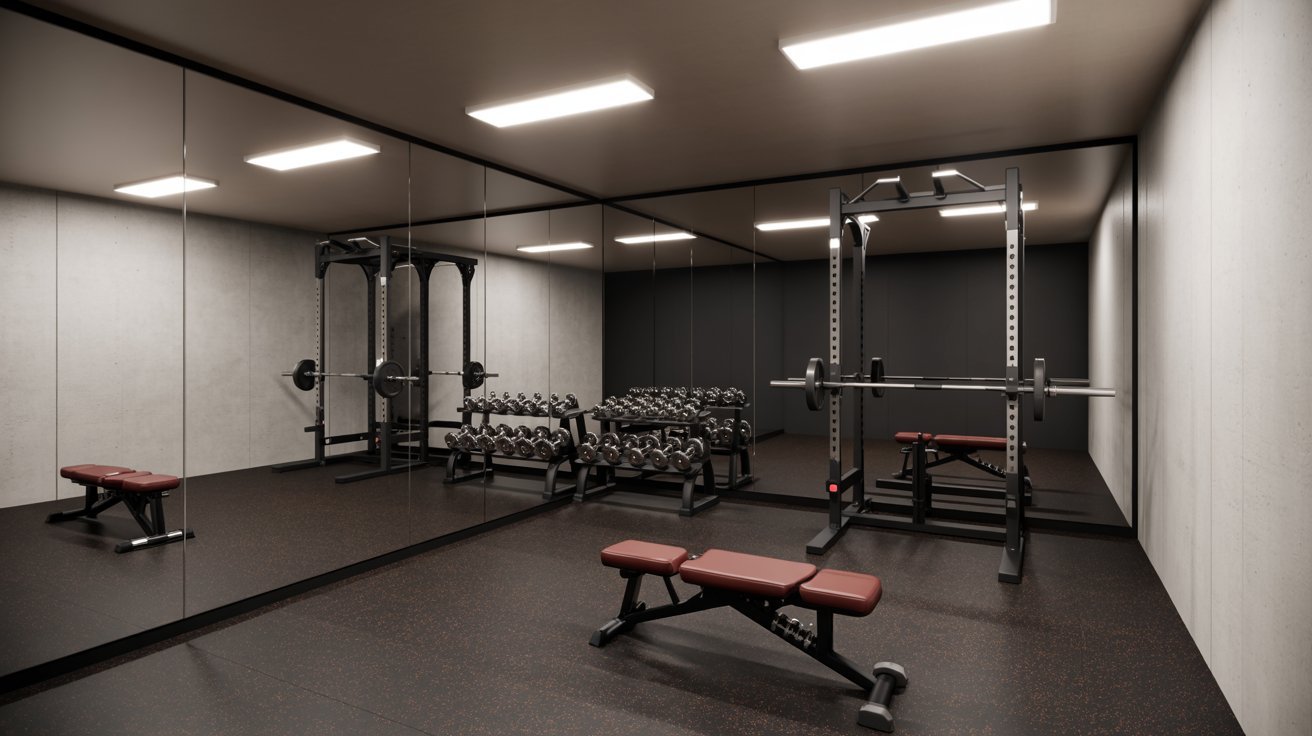
A basement home gym saves you money on memberships long-term. Use rubber flooring to protect the ground and reduce noise. Mount mirrors on one wall to check your form.
Keep equipment organized and accessible. You can start small with just a few key pieces and build it up over time.
20. Basement Home Office with Built-In Desk
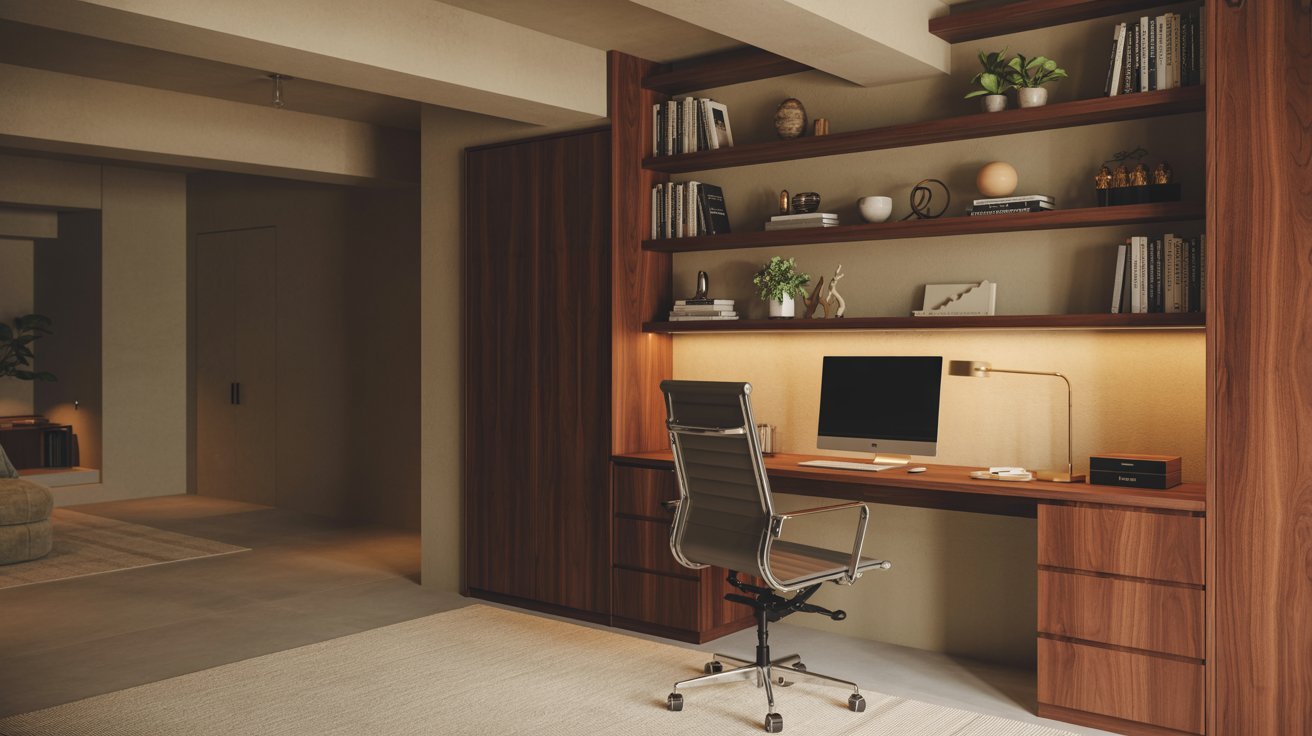
A basement office keeps work separate from the rest of your home. Built-in desks use wall space well and keep the room tidy. Add proper lighting since basements can feel dim.
Use shelving for storage above the desk. A quiet basement office can seriously improve your focus and productivity.
21. Multi-Purpose Basement with Flexible Zones and Storage
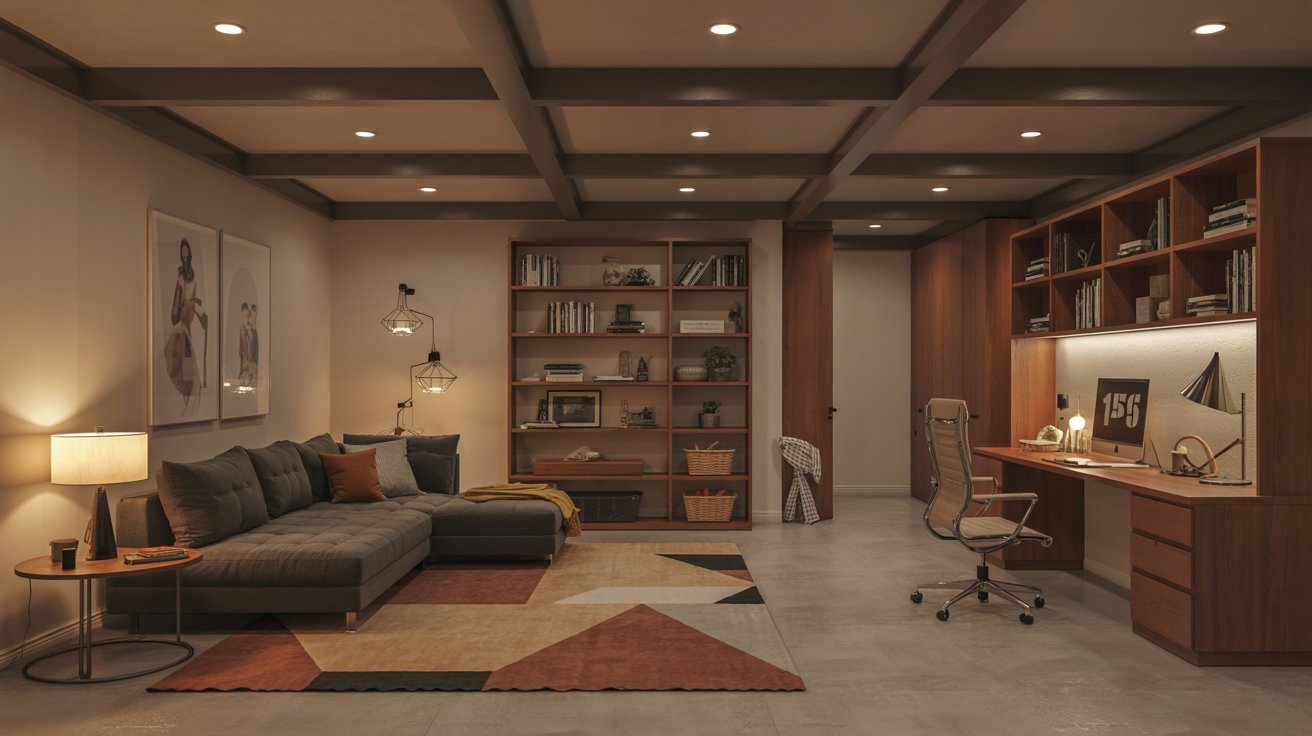
Not every basement needs one single purpose. Divide the space into zones. One corner for work, one for relaxing, one for storage.
Use rugs, shelving, and furniture placement to define each area. A flexible layout means the basement grows and changes with whatever your family needs at the time.
Basement Renovation Design Tips
- Good lighting makes or breaks a basement. Use recessed lights as your base and layer in floor lamps or sconces to add warmth to different areas.
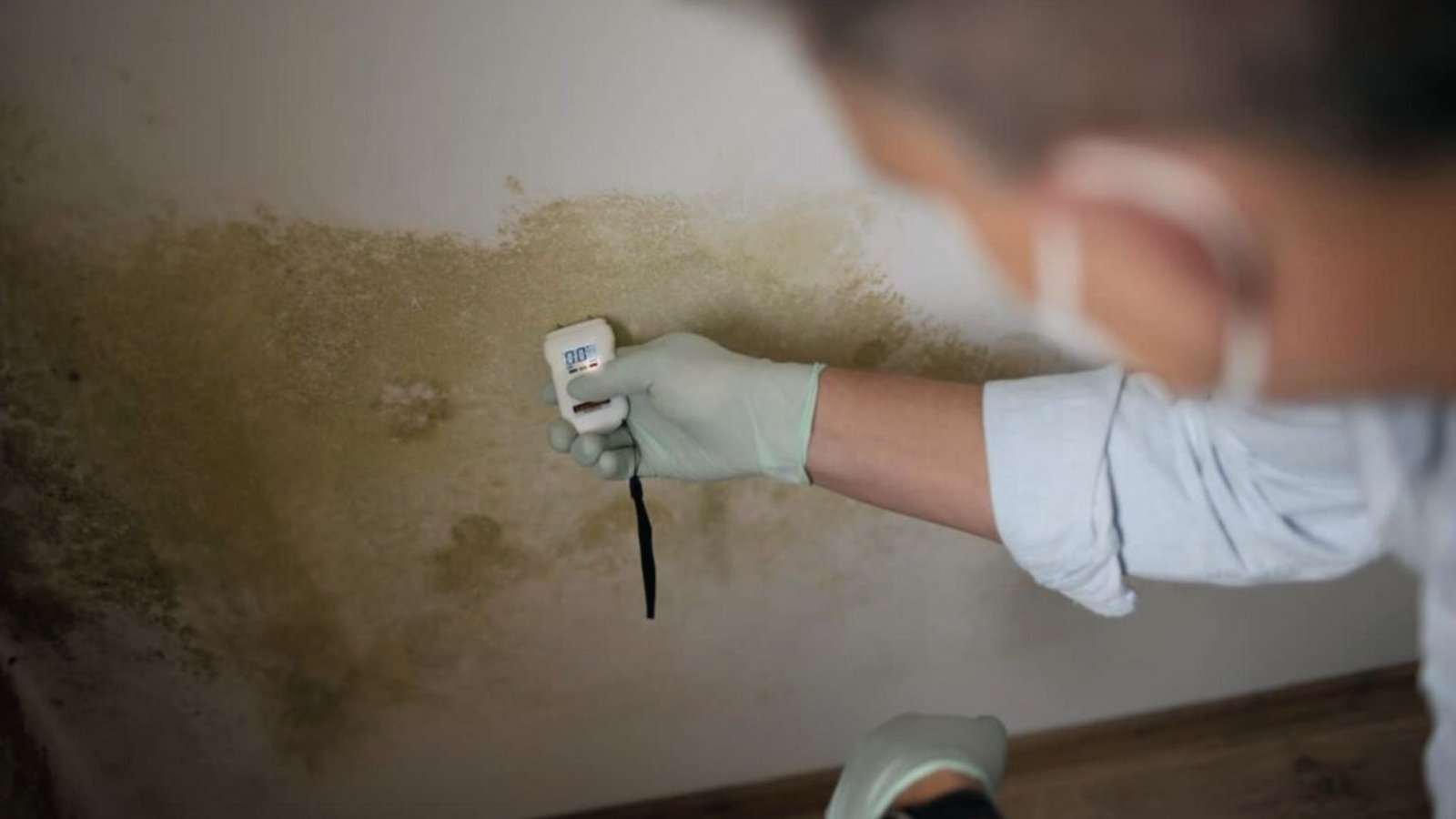
- Basements are prone to moisture, so choose materials that can handle it. Think vinyl flooring, moisture-resistant drywall, and mold-resistant paint.
- Divide your basement into clear activity zones. Even a simple rug or shelving unit can separate a lounge area from a workspace without building any walls.
- Storage is easy to overlook during renovation. Built-in shelves, storage ottomans, and wall hooks keep the space functional and free of clutter.
- Warm, neutral colors like beige, soft white, or light grey make a basement feel more open. They also work well with almost any furniture or decor you already own.
Conclusion
A basement renovation can turn one of the most ignored spaces in your home into something you actually use every day.
The key is picking ideas that fit how you live.
Want a place to relax? Go for a lounge or home theater. Need to work from home? A basement office makes sense.
With the right design, your basement stops being wasted space and starts adding real value to your home.
Pick one idea from this list and start there. You do not have to do everything at once. Even one good change can make a big difference.
Frequently Asked Questions
What is the average cost of a basement renovation?
Basement renovation costs vary depending on the size and scope of the project. A basic finish can start around $10,000 while a full renovation with a bar or home theater can go up to $50,000 or more.
What is the best flooring for a basement renovation?
Vinyl plank flooring is one of the top choices for basements because it handles moisture well. Carpet and engineered hardwood are also good options depending on how you plan to use the space.
How do I make my basement feel less dark and closed in?
Use recessed lighting and add floor or table lamps to brighten up different areas. Light wall colors like white or soft grey also help the space feel more open and less cave-like.
Do I need a permit for a basement renovation?
Most basement renovations that involve electrical, plumbing, or structural changes will require a permit. Always check with your local building authority before starting any major renovation work.
How long does a basement renovation typically take?
A simple basement finish can take anywhere from four to eight weeks. Larger projects with custom features like a home theater or wet bar can take three to six months depending on the contractor and scope of work.