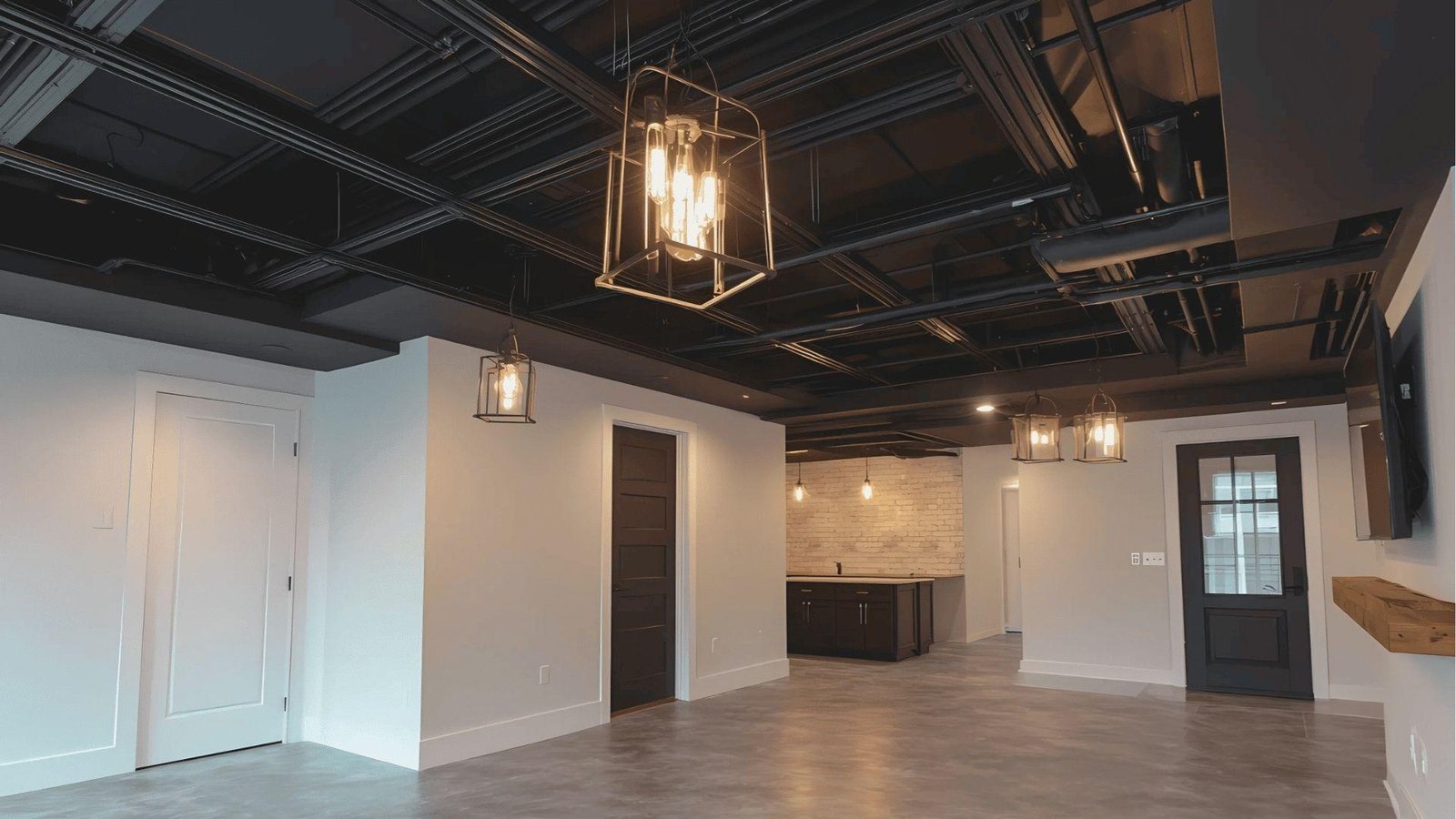
Thinking about painting your basement ceiling black? You're not alone. Many homeowners are choosing this bold look and for good reason.
In this guide, I'll cover everything you need to know. From pros and cons to paint choices, lighting ideas, and step-by-step painting tips, it's all here.
I've helped many people plan basement upgrades, and this is one of the most asked-about topics. You'll leave with real answers, not just opinions.
Whether your basement is a blank canvas or a messy work-in-progress, this guide will help you decide if black is right for you.
What Is a Black Ceiling in Basement Design?
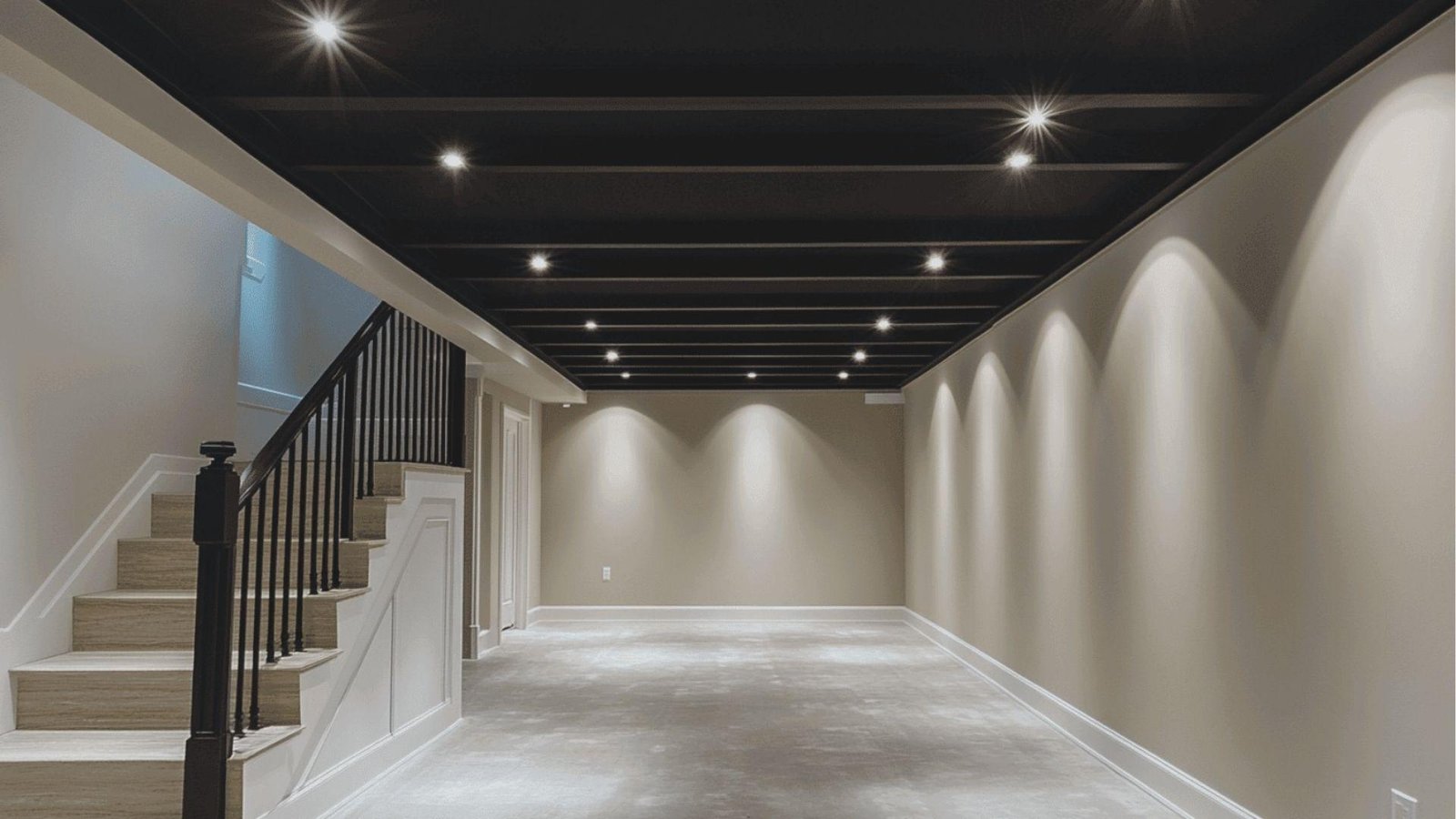
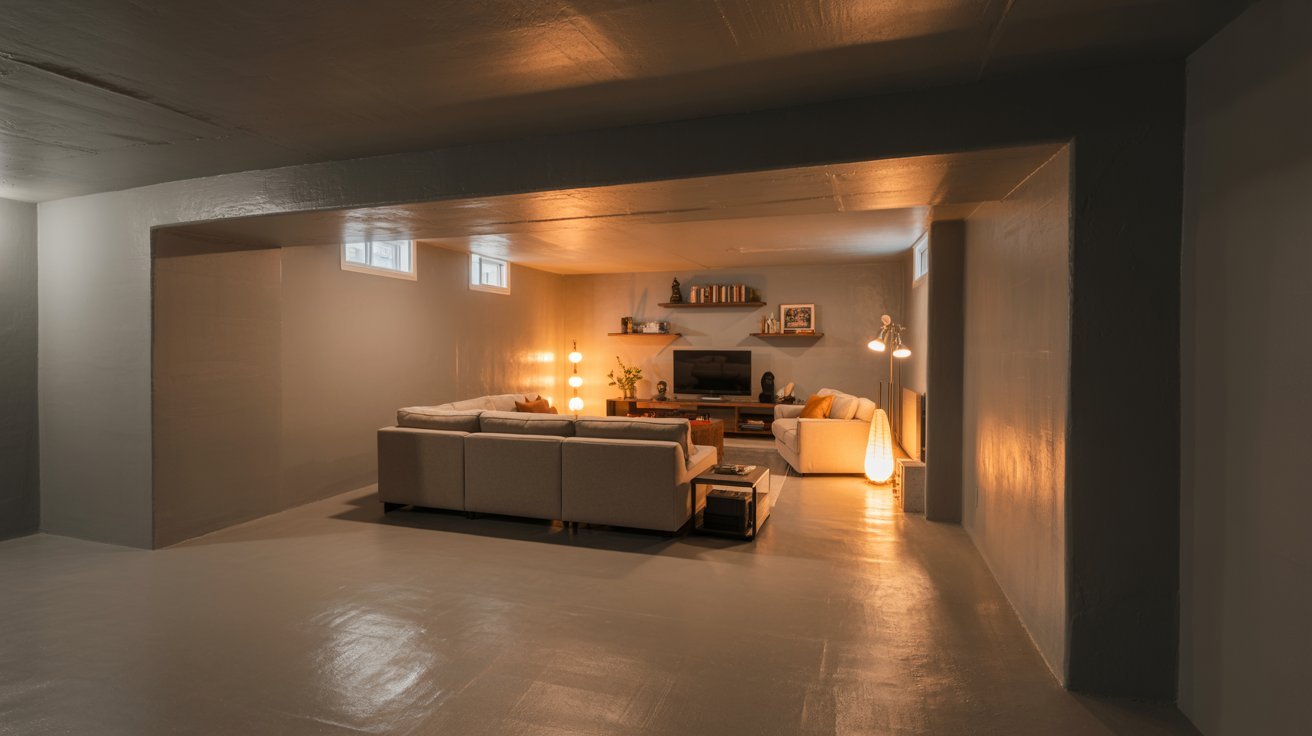
A black ceiling is a bold design move that changes how your basement looks, feels, and functions.
It's a big part of the industrial style. Instead of hiding pipes, beams, and ductwork, you paint them black and let them show. It looks raw, real, and intentional.
Many basements have low ceilings. Skipping drywall and painting the ceiling black keeps the height and saves money. Your eyes stop focusing on the ceiling, the pipes blend in, and the whole room feels more open and designed.
Pros and Cons of Having a Black Ceiling in Basement
A black ceiling has real benefits and some drawbacks. Here is a clear breakdown to help you decide.
| Pros | Cons |
| Makes pipes and ducts blend into one dark, unified surface | Absorbs light instead of reflecting it, so lighting works harder |
| Gives the basement a modern, finished, and intentional look | Basements with little natural light can feel even darker |
| Dark flat ceiling fades back, making the room feel taller | Dust, cobwebs, and surface imperfections show up more clearly |
| No drywall to cut or patch, easy access for repairs | Requires a proper lighting plan before you start painting |
| Reduces glare, great for home theaters and game rooms | Prep and painting take more time and effort than most expect |
Is a Black Ceiling in Basement Right for Your Space?
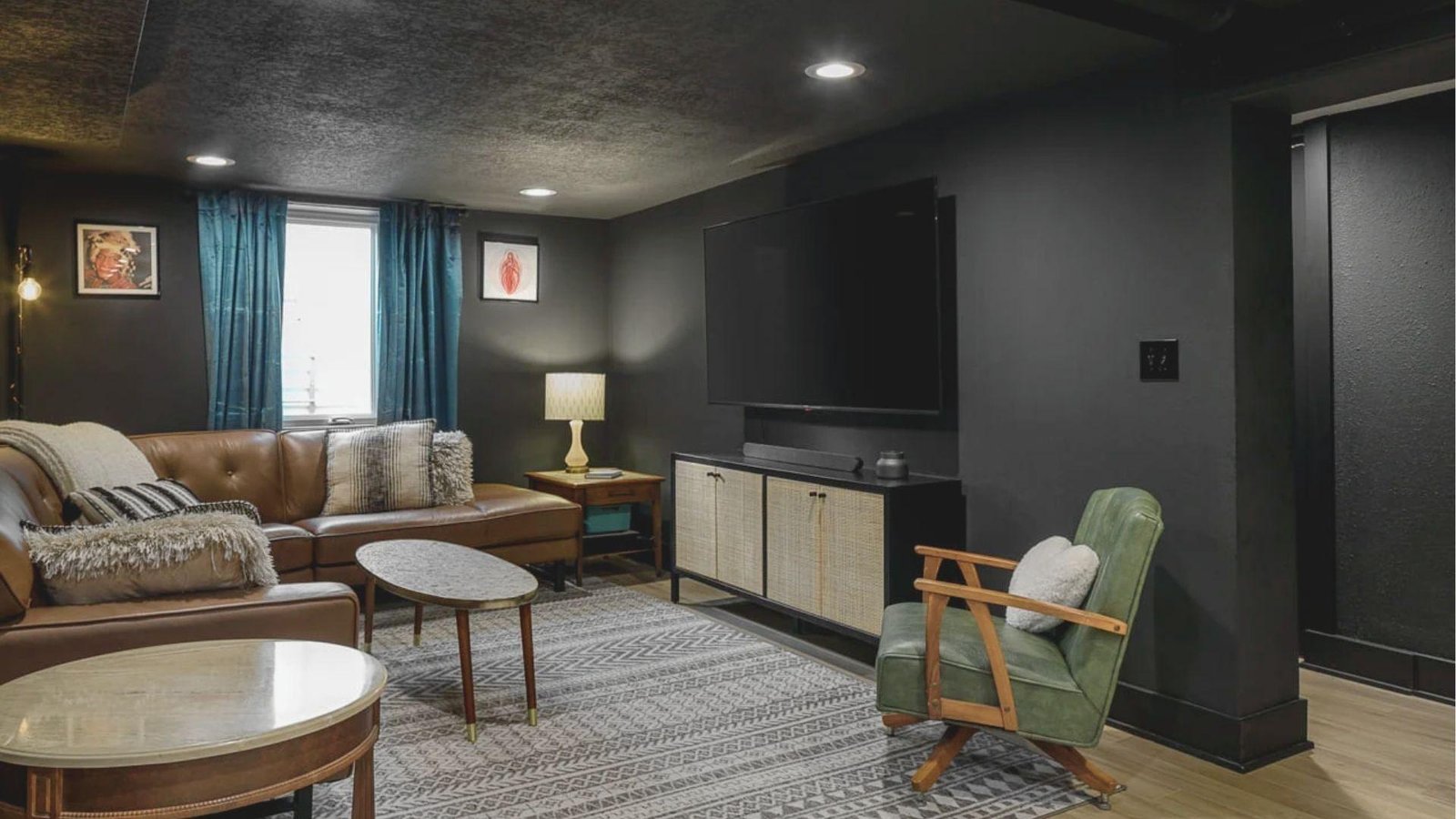
Not every basement suits a black ceiling. Industrial spaces, home theaters, game rooms, and modern minimalist basements are great fits. The dark ceiling matches the mood and cuts down on glare.
Avoid it for bright playrooms, craft rooms, or small basements with no windows. Also think about resale value before committing.
Ask yourself a few quick questions first. How much natural light does the space get? What will the room be used for? Do you have a lighting plan ready?
If the space is meant for entertainment or creative use, a black ceiling is likely a smart choice.
Best Paint Colors for a Black Ceiling in Basement
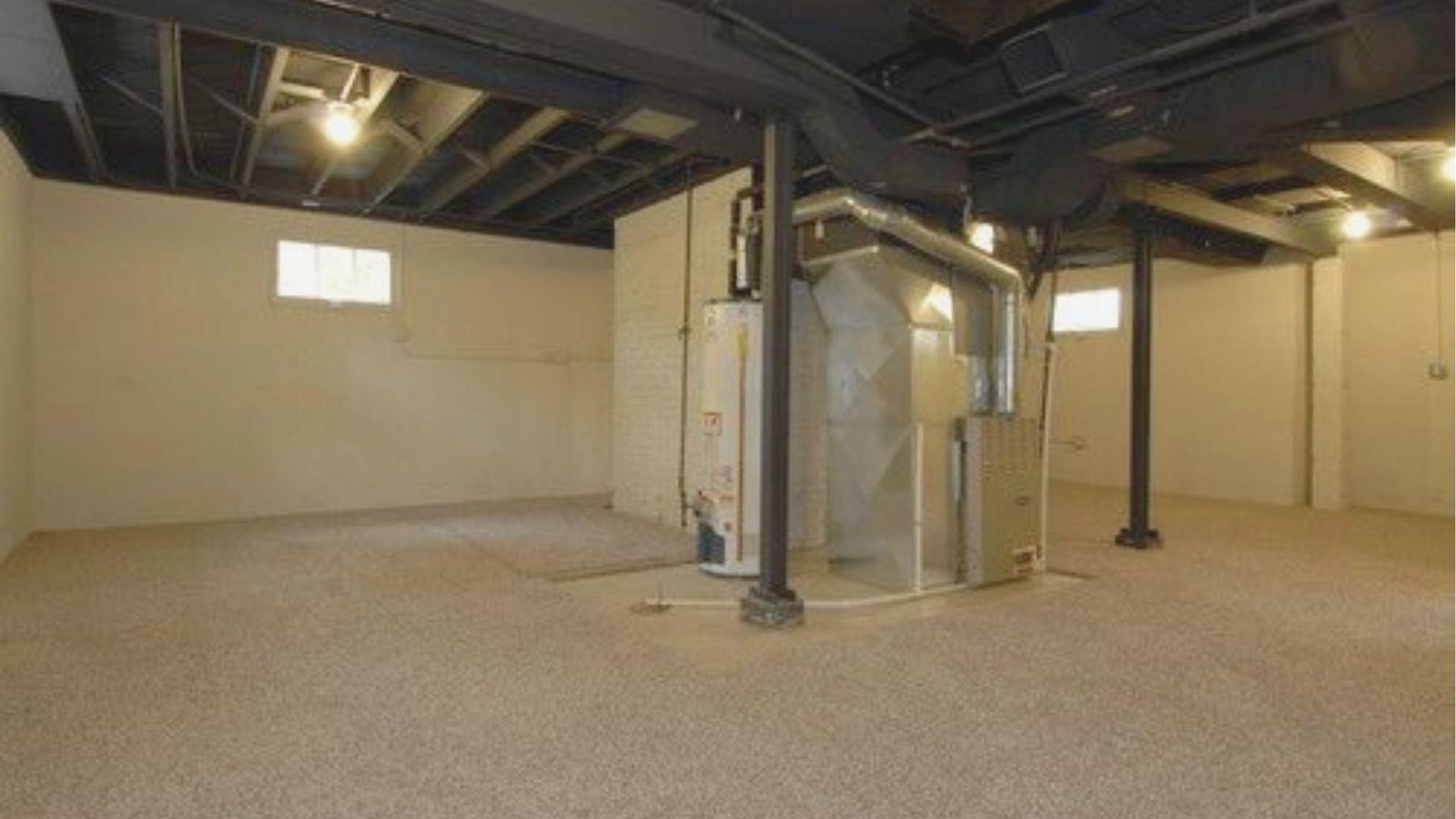
Choosing the right shade of black or dark color makes a big difference in how the final result looks.
True Black vs Soft Black Shades
Not all black paint is the same.
True black is bold and high-contrast. It makes a strong statement. Brands like Benjamin Moore offer deep blacks that are very rich.
Soft black shades lean more toward dark charcoal or near-black gray. These are easier to work with in smaller spaces.
If you're unsure, start with a soft black. It gives the same effect but feels a little less intense.
Popular Paint Colors from Sherwin-Williams and Benjamin Moore
These two brands are trusted for good reason.
From Sherwin-Williams, Tricorn Black (SW 6258) is a go-to choice. It's a clean, true black with no strong undertones.
Iron Ore (SW 7069) is a dark charcoal that works well if you want something slightly softer.
From Benjamin Moore, Onyx (2133-10) is very popular. It's deep, smooth, and looks great on ceilings.
Wrought Iron (2124-10) is another option that leans slightly warm and pairs well with wood tones.
Matte vs Satin Finish for Basement Ceilings
Finish matters more than most people think.
Matte finish is the best choice for basement ceilings. It hides surface imperfections and reduces glare.
Satin has a slight sheen. It's easier to clean, but it can reflect light in ways that look uneven on a bumpy ceiling.
For exposed pipes and ductwork, matte is almost always the better pick. It gives a clean, flat look that ties everything together.
How to Paint a Black Ceiling in Basement

Painting a basement ceiling takes the right tools, good prep work, and a steady process for the best results.
Tools and Materials You Need
Get everything together before you start.
You'll need:
- Black paint (matte finish)
- Primer
- Paint sprayer or roller with an extension pole
- Drop cloths and plastic sheeting
- Painter's tape
- Safety glasses and a respirator mask
- Ladder
Having the right tools saves time and gives better results. Don't skip the safety gear. Painting overhead is hard on your eyes and lungs.
How to Prepare the Basement
Prep is the most important step.
Cover the floor completely with drop cloths. Tape plastic sheeting over walls and any surfaces you don't want painted.
Remove items from the basement or push them to the center and cover them.
Clean the ceiling surface. Wipe down pipes and beams to remove dust and grease.
The cleaner the surface, the better the paint will stick.
Priming Wood, Pipes, and Ductwork
Don't skip the primer.
Primer helps paint stick, especially on metal pipes and raw wood. Without it, the paint may peel or look uneven over time.
Use a spray primer for pipes and ductwork. It gets into tight spots that a brush or roller can't reach.
Let the primer dry fully before painting. Rushing this step leads to poor coverage and wasted paint.
Why Spray Painting Works Best
A paint sprayer is the best tool for this job.
It covers pipes, ducts, and beams evenly. A roller leaves gaps in hard-to-reach areas.
Spray painting is faster too. A ceiling that might take hours with a roller can be done in much less time with a sprayer.
The downside is more prep. You need to cover everything well to protect from overspray.
Rent a sprayer if you don't own one. It's worth the cost.
Tips for Even Paint Coverage
Even coverage takes a little practice.
- Move the sprayer in smooth, even strokes. Don't hold it in one spot too long or you'll get drips.
- Apply two coats for full coverage. Let the first coat dry completely before adding the second.
- Work in sections so you don't miss spots. Use a flashlight to check for thin areas before the paint dries.
- Take your time. Rushing leads to streaks and uneven color.
Lighting Ideas for Basements With Black Ceilings
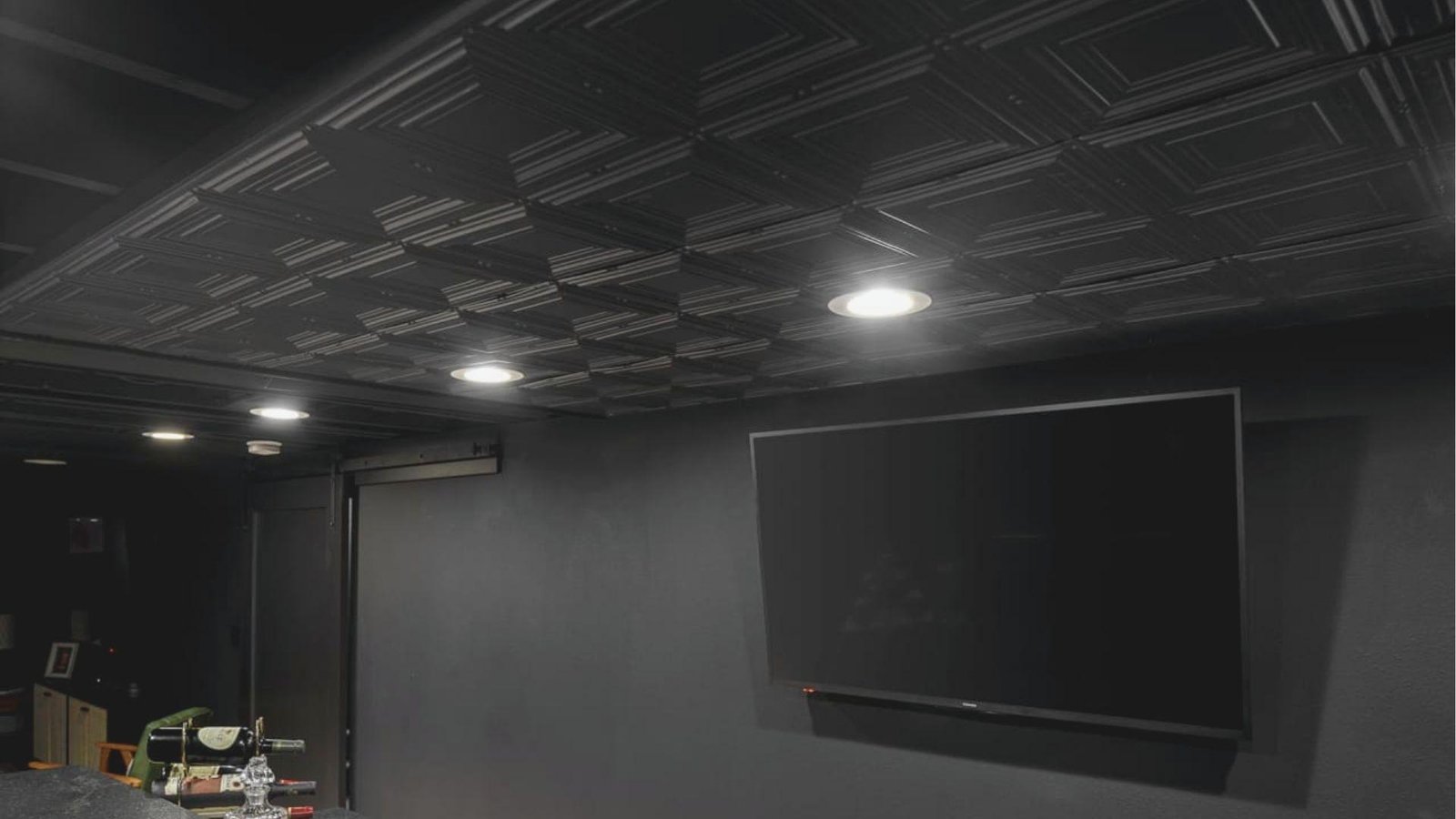
Good lighting is the key to making a black ceiling work. The right fixtures keep the space bright and functional.
Best Recessed Lighting Options
Recessed lights are the top choice for black ceilings. They sit flush with the ceiling and push light downward without drawing attention to the fixtures.
Go with LED recessed lights rated at 650 to 800 lumens each. Space them in a grid pattern for even coverage. Warm white bulbs (2700K to 3000K) feel cozy. Bright white (4000K) works better for workspaces.
Using Track Lighting and Pendants
Track lighting lets you aim light in different directions, which is great for multi-use spaces. Pendant lights add personality over a bar, game table, or seating area.
Both options stand out nicely against a black ceiling. Mix track lighting with recessed lights for the best overall coverage.
How to Keep the Basement Bright and Open
Use more fixtures than you think you need. It's easier to dim lights than to add more later.
Light-colored walls bounce light around the room. Add floor lamps or table lamps for layered lighting. Keep furniture light in color when possible to avoid a heavy feel.
Black Ceiling in Basement Design Ideas
A black ceiling works in many different styles. These design ideas show how versatile it can be.
Industrial Basement Designs

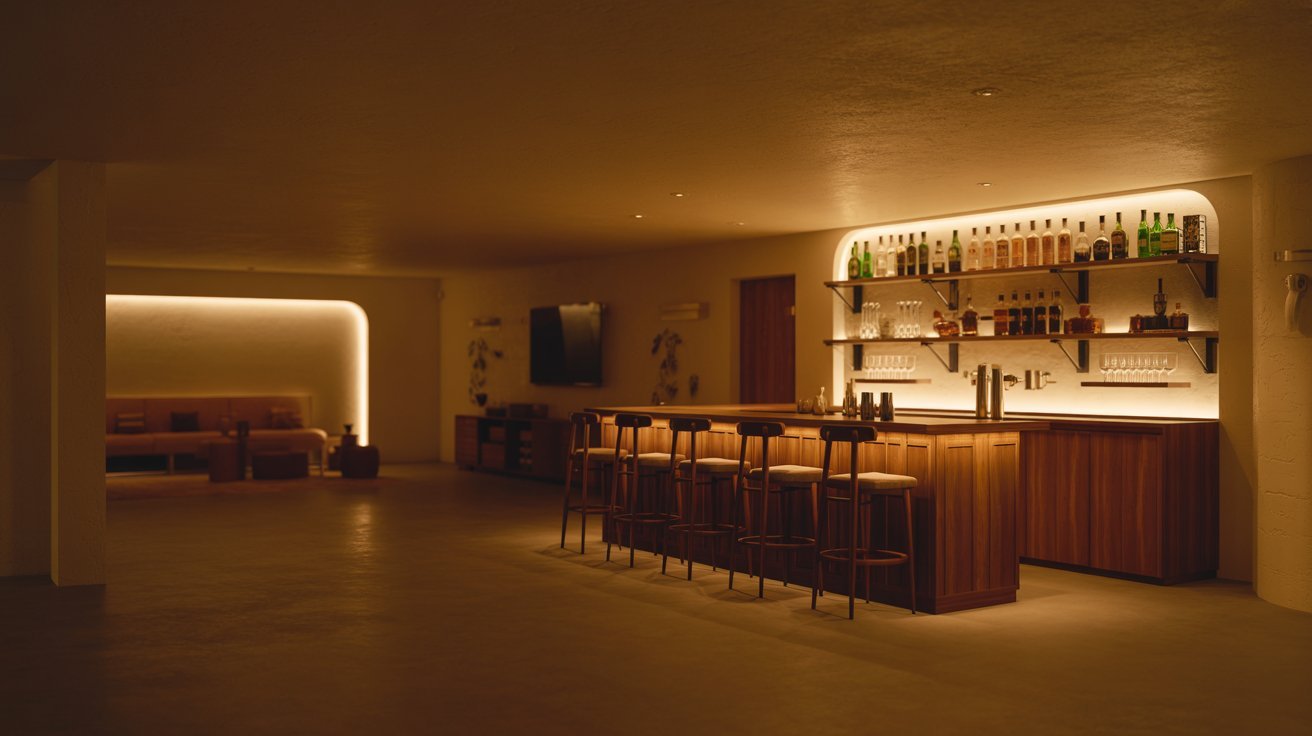
Industrial style and black ceilings were made for each other. Think concrete floors, exposed brick, metal shelving, and Edison bulb lighting.
The pipes and ducts on the ceiling become part of the design rather than an eyesore. This style works well for a bar, workshop, or hangout space.
Cozy Basement Lounge Ideas

A black ceiling doesn't have to feel cold or harsh. Pair it with warm lighting, soft rugs, and comfortable furniture for a cozy, relaxed vibe.
Add wood tones and string lights along the walls for extra warmth. This look is perfect for a reading nook or TV lounge.
Basement Theater Room Ideas

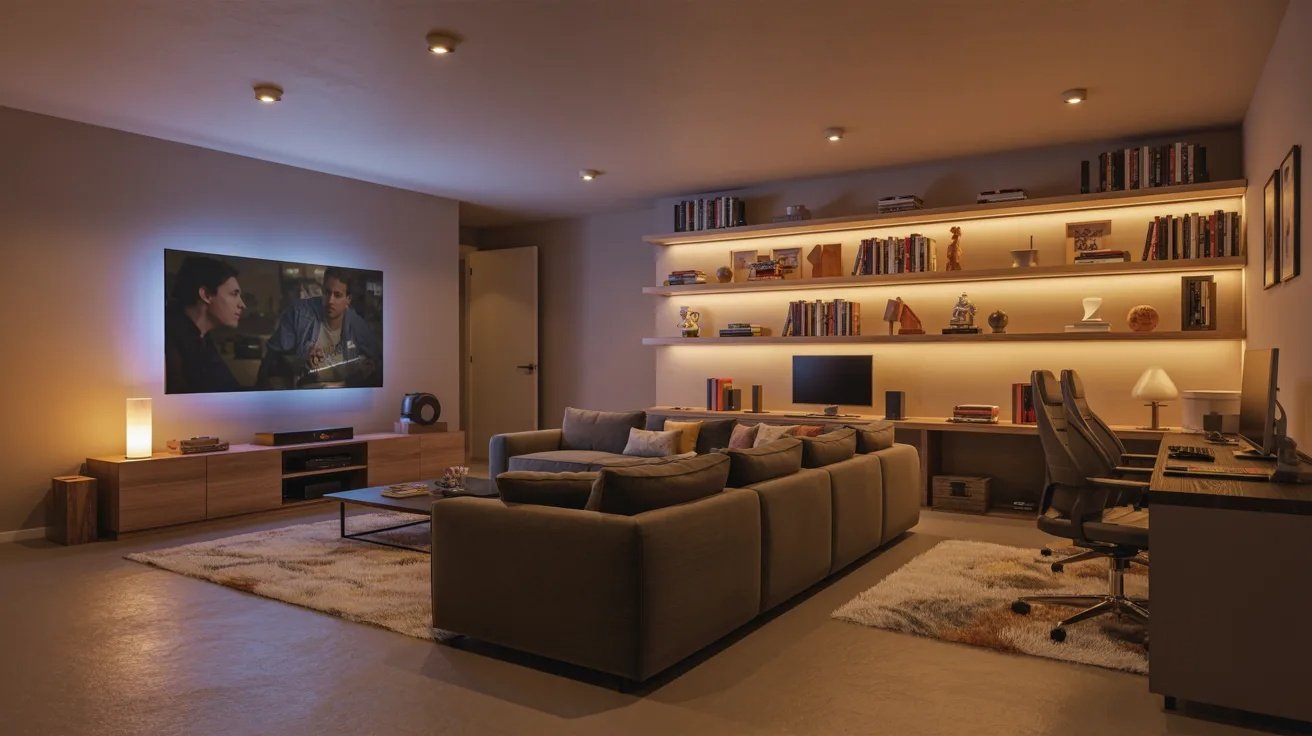
A black ceiling reduces light reflection and creates a real movie theater feel. Pair it with dark walls, blackout curtains, and recessed lighting on dimmers.
Add a projector, large screen, and comfortable seating. Acoustic panels on the walls improve sound and pull the whole look together.
Black Ceilings With White Walls
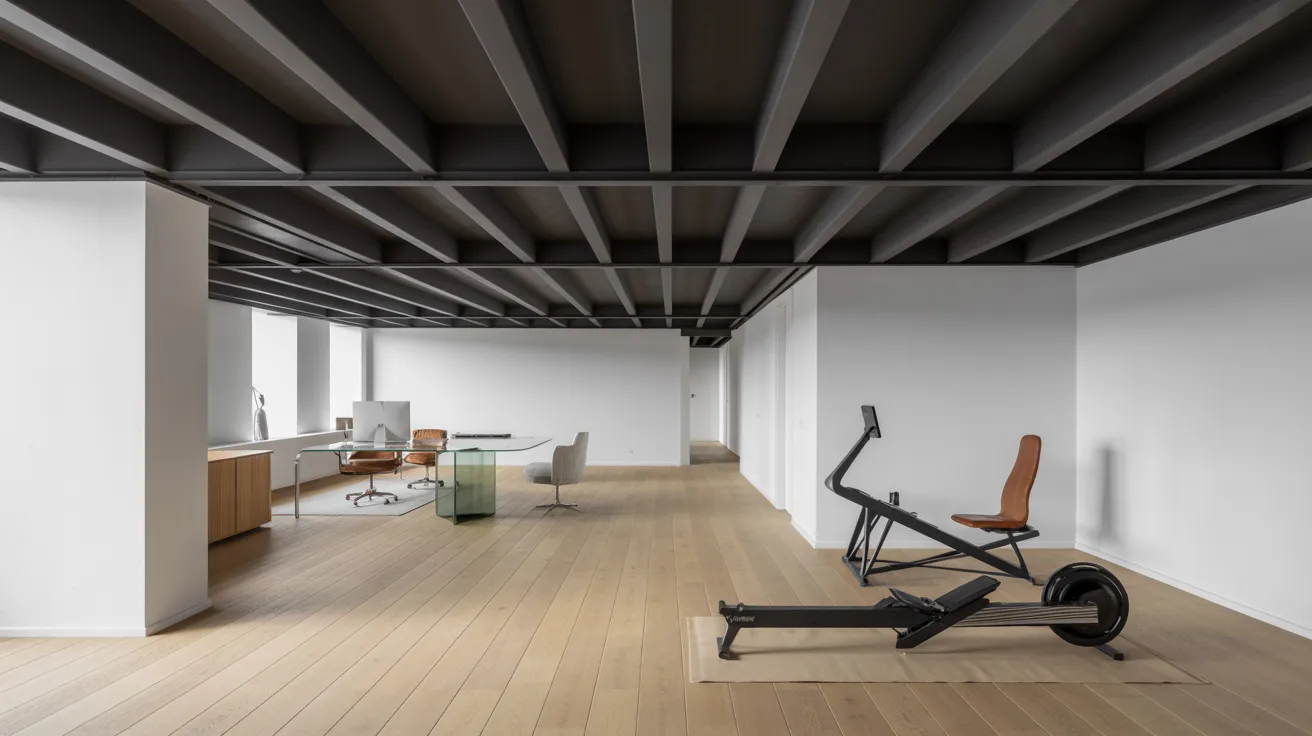
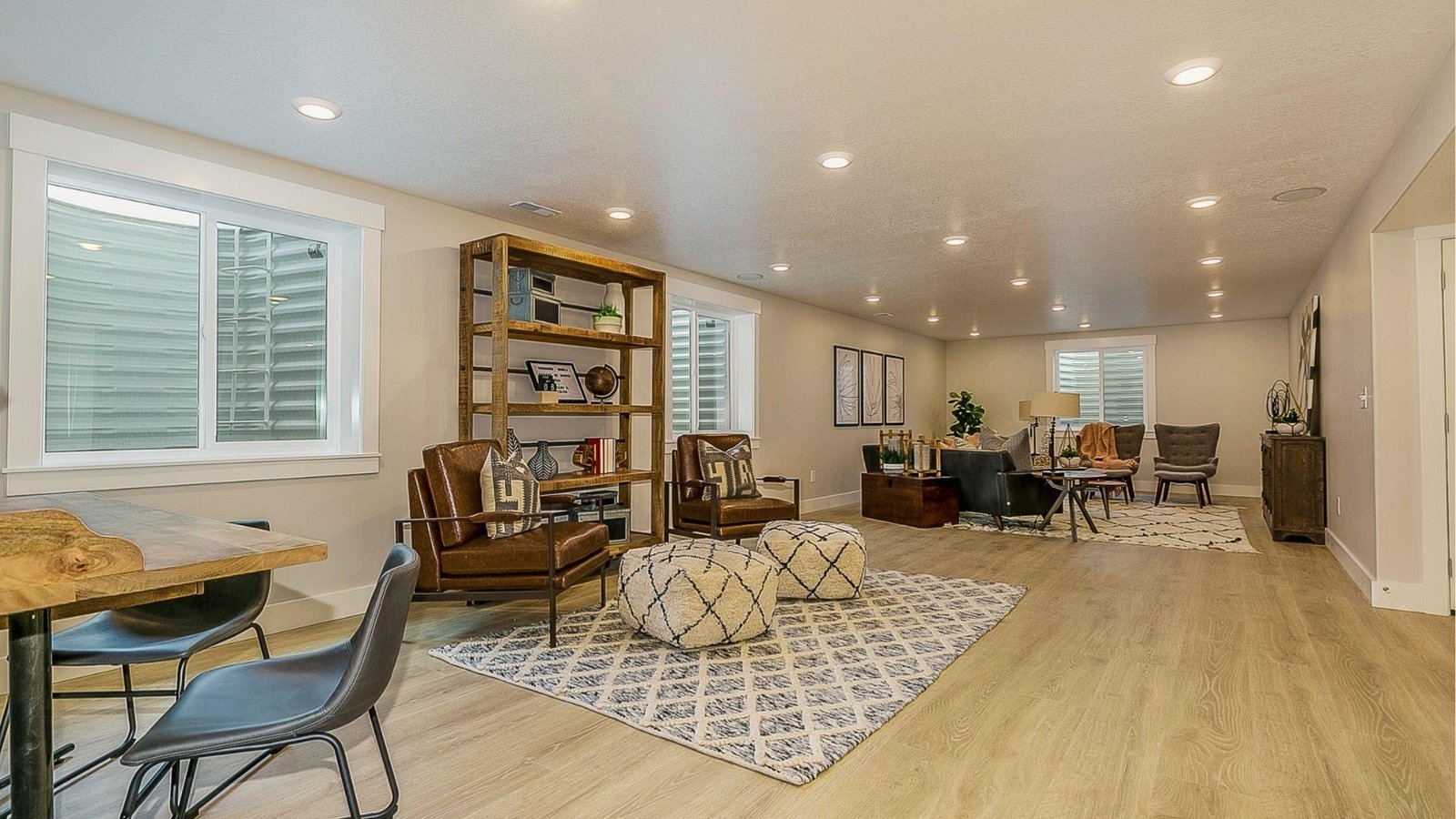
The contrast between white walls and a black ceiling is sharp and clean. Light wood floors or gray concrete work well with this combo. Keep furniture simple and minimal.
This design works for almost any basement use, from a home office to a gym.
Common Mistakes to Avoid
Small mistakes during planning or painting can hurt the final result. Here's what to watch out for.
Choosing the Wrong Paint Finish
Gloss or semi-gloss paint will highlight every bump and flaw on a textured ceiling. Stick with matte finish. It hides imperfections and looks the most natural.
For pipes and metal, satin or semi-gloss holds up better.
Skipping Primer
Bare wood, metal, and dusty surfaces won't hold paint well without primer. You'll end up with peeling or patchy areas within months.
Use a bonding primer on metal and a standard primer on finished surfaces.
Poor Lighting Placement
Plan your lighting before you start painting. Know where each fixture will go and make sure wiring is in place first. Spread lights evenly to avoid dark corners.
Layer overhead, task, and ambient lighting for the best result.
Not Protecting Floors and Walls
Paint drips and overspray travels. Cover floors with drop cloths and tape plastic sheeting over walls. Use painter's tape along the top of walls to protect trim.
Spend the extra time on prep. It saves a lot of cleanup later.
Maintenance and Cleaning Tips
A black ceiling is easy to care for. These simple habits will keep it looking clean and sharp for years.
- Use a dry microfiber duster on an extension pole every few months. Sweep away cobwebs and dust before they build up. Regular light cleanings are much faster than deep cleaning later.
- For sticky spots or marks, use a damp cloth with a little mild dish soap. Don't scrub hard. Scrubbing can remove paint or leave shiny spots on a matte surface.
- Keep a small container of leftover paint for touch-ups. Use a small brush to dab paint on scratches or chips. Feather the edges and let it dry fully before checking the result.
- Check your air vents and replace HVAC filters on a regular schedule. A clean filter reduces how much dust moves through the basement. Less dust in the air means less dust on the ceiling.
- Run an air purifier in the basement to cut down on airborne dust. This helps before dust settles on the ceiling and pipes. It also keeps the overall air quality in the space much better.
Conclusion
I'll be honest. When I first heard about painting a basement ceiling black, I thought it sounded too bold. But after seeing it done well, I was sold.
A black ceiling in a basement can change the whole feel of the space. It hides the mess up top, adds style, and makes the room feel more finished.
If you're on the fence, start small. Test a section. See how you feel.
Have you tried this look? Drop a comment below and share your experience. And if this helped, share it with someone planning a basement project!
Frequently Asked Questions
Does a Black Ceiling in the Basement Make the Room Feel Smaller?
Not usually. A dark ceiling can actually help the room feel taller by making the ceiling disappear visually. Good lighting is the key to avoiding a cramped feel.
What Is the Best Paint Finish for a Basement Ceiling?
Matte finish is the best choice for basement ceilings. It hides surface flaws and reduces glare, giving the ceiling a clean and even look.
Can I Paint Over Pipes and Ductwork With Black Paint?
Yes, you can. Use a bonding primer first so the paint sticks properly to metal surfaces. A spray painter makes it much easier to coat all sides of the pipes evenly.
How Many Coats of Paint Does a Black Ceiling Need?
Most black ceilings need at least two coats for full, even coverage. Let the first coat dry completely before applying the second to avoid streaks or uneven spots.
Is a Black Ceiling a Good Idea for a Basement With Low Ceilings?
Yes, it can work well. Leaving the ceiling open and painting it black removes the need for drop tiles, which saves valuable height. Pair it with bright walls and good lighting for the best results.