A basement can be one of the most valuable spaces in your home. But what makes a basement finished? Many homeowners ask this before starting a renovation or listing their property for sale.
A finished basement must meet specific standards:proper walls, flooring, ceilings, heating, and electrical systems all have to be in place.
In this guide, I will cover everything you need to know about finished basement requirements, how it compares to unfinished space, and why it matters for your home's value and appraisal.
With years of experience covering home improvement topics, I can help you understand this clearly. Let's get into it.
What Makes a Basement Finished in a Home
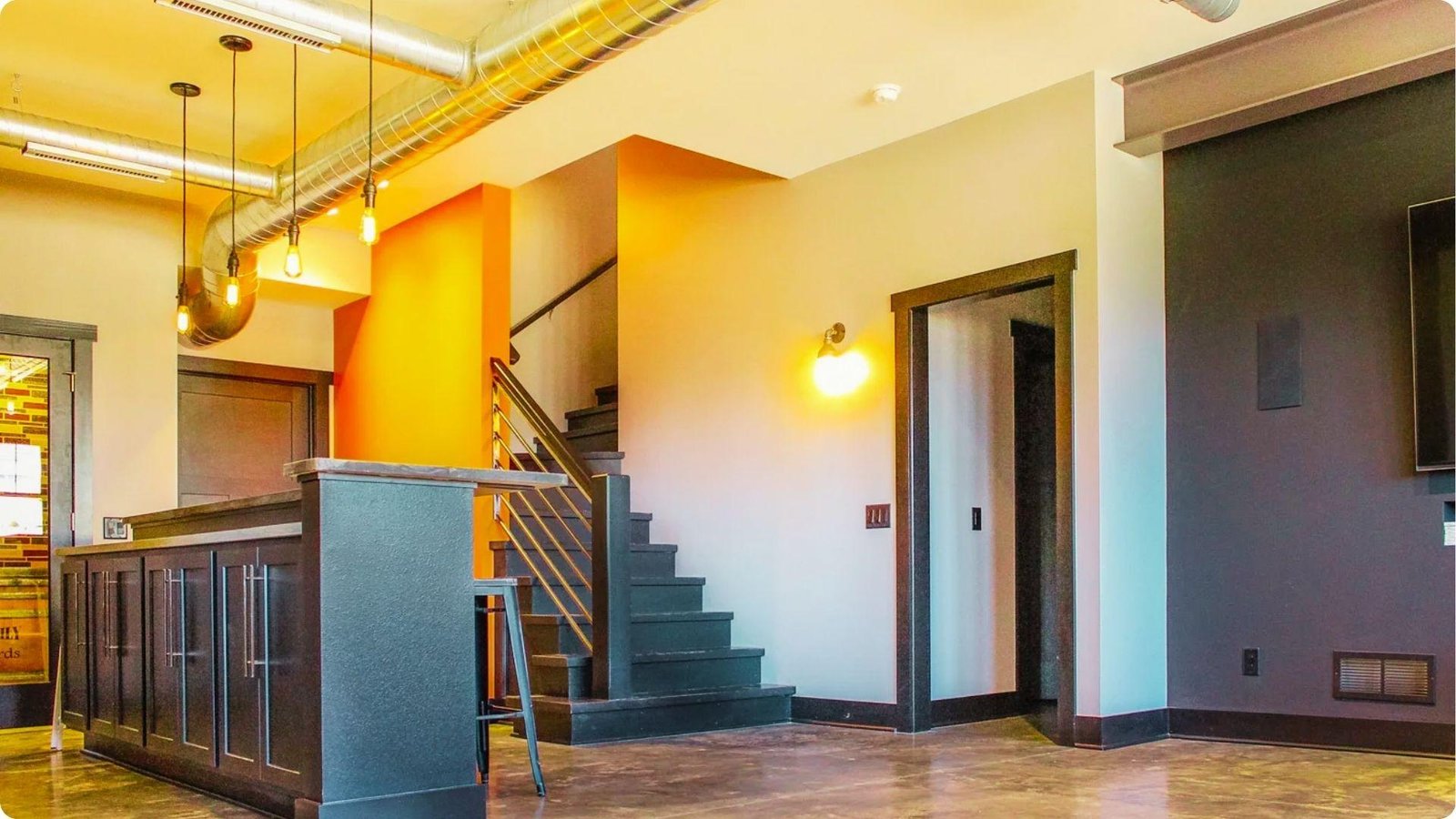
A finished basement is a fully livable part of your home. It is not just a storage area or a utility room tucked below the stairs.
To qualify as finished, a basement must meet construction and safety standards that match the rest of the house.
This includes permanent walls, proper flooring, a connected HVAC system, safe electrical work, and code-approved installations.
It must also pass local building inspections. When all these elements are in place, the basement becomes a real, usable living space that adds square footage, comfort, and long-term value to your property.
Characteristics of a Finished Basement
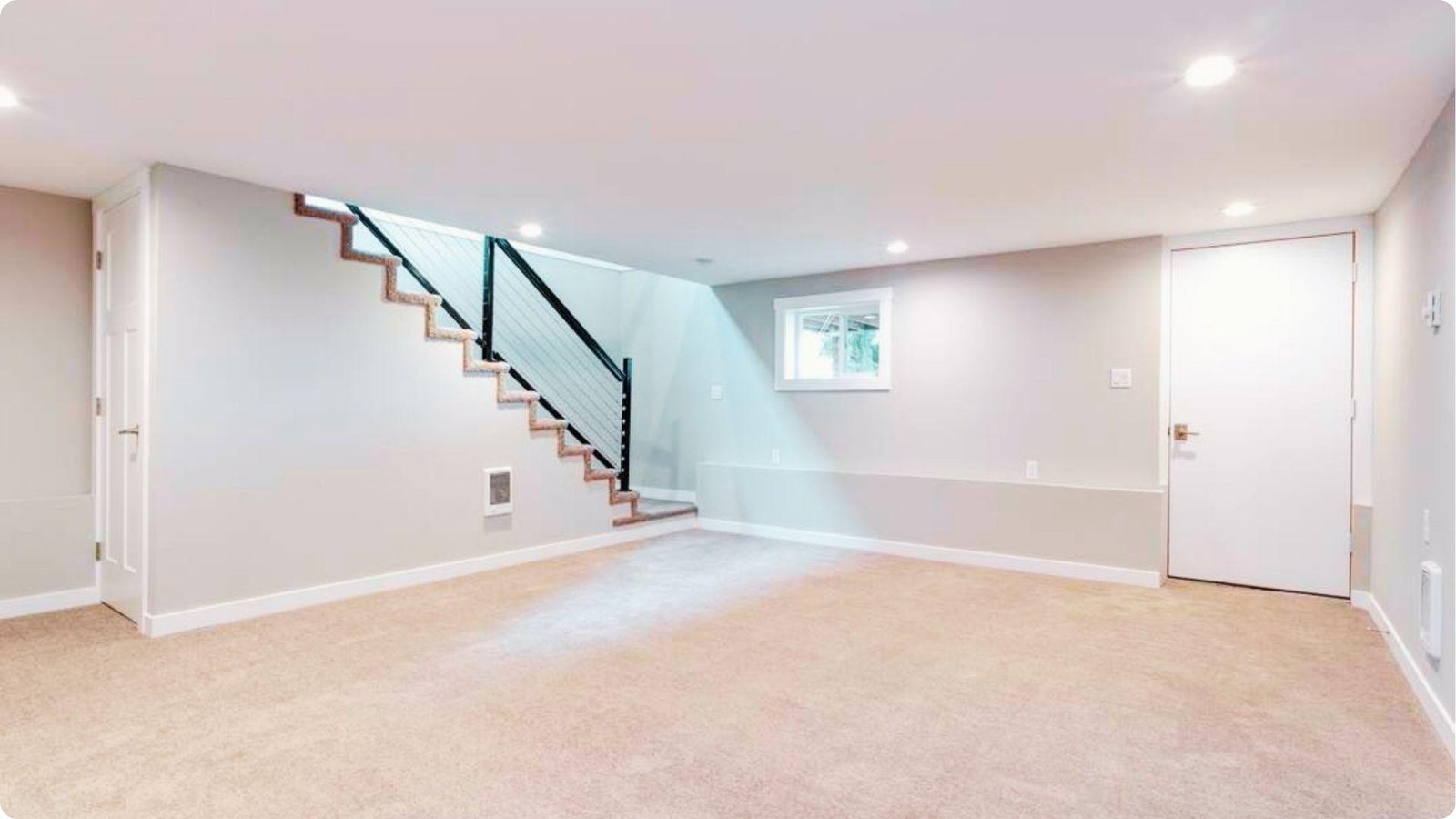
A finished basement checks several boxes for comfort, structure, safety, and code compliance.
Livable and Functional Space
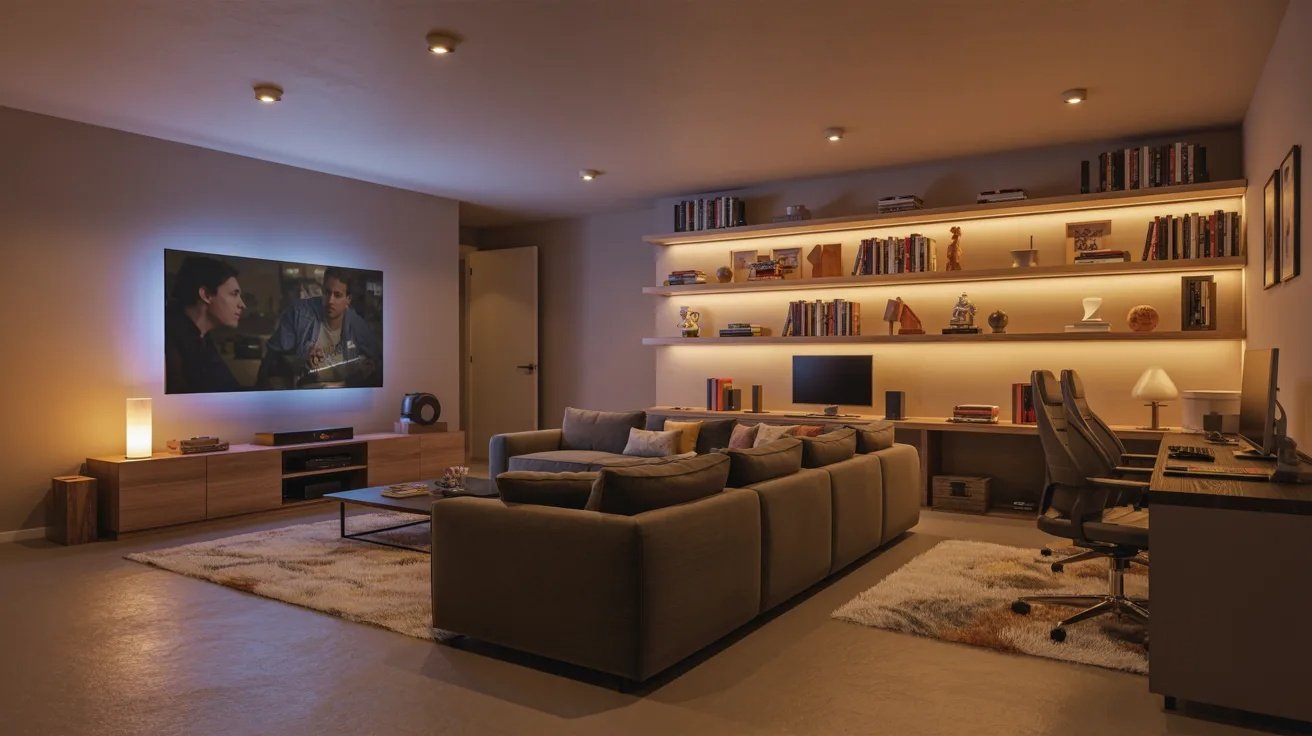
A finished basement is built for daily use. It works as a bedroom, home office, living room, or rental unit. It is comfortable enough for regular living, not just occasional visits.
Fully Completed Interior Structure
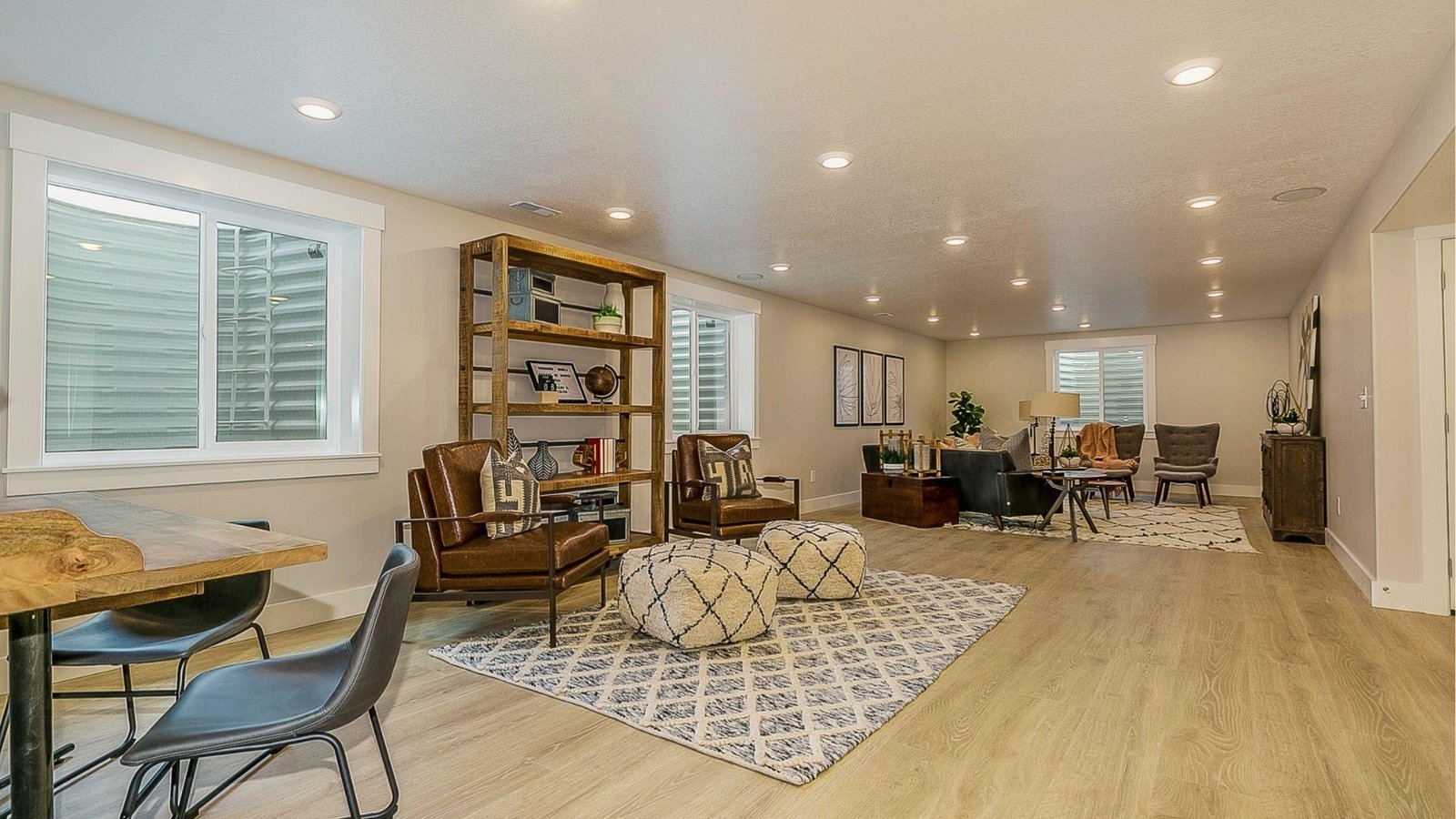
No exposed concrete, bare beams, or open pipes are visible. Walls are drywalled, ceilings are covered, and floors have real flooring material. The space looks and feels complete.
Climate-Controlled Environment
A finished basement connects directly to the home's HVAC system. Proper insulation keeps the temperature steady year-round. Ventilation also prevents moisture and dampness from building up.
Code-Compliant and Safe Design
Electrical wiring must be safe, grounded, and up to code. Egress windows are required in sleeping areas for emergency exits. All work must have approved permits before and after construction.
Key Requirements What Makes a Basement Finished
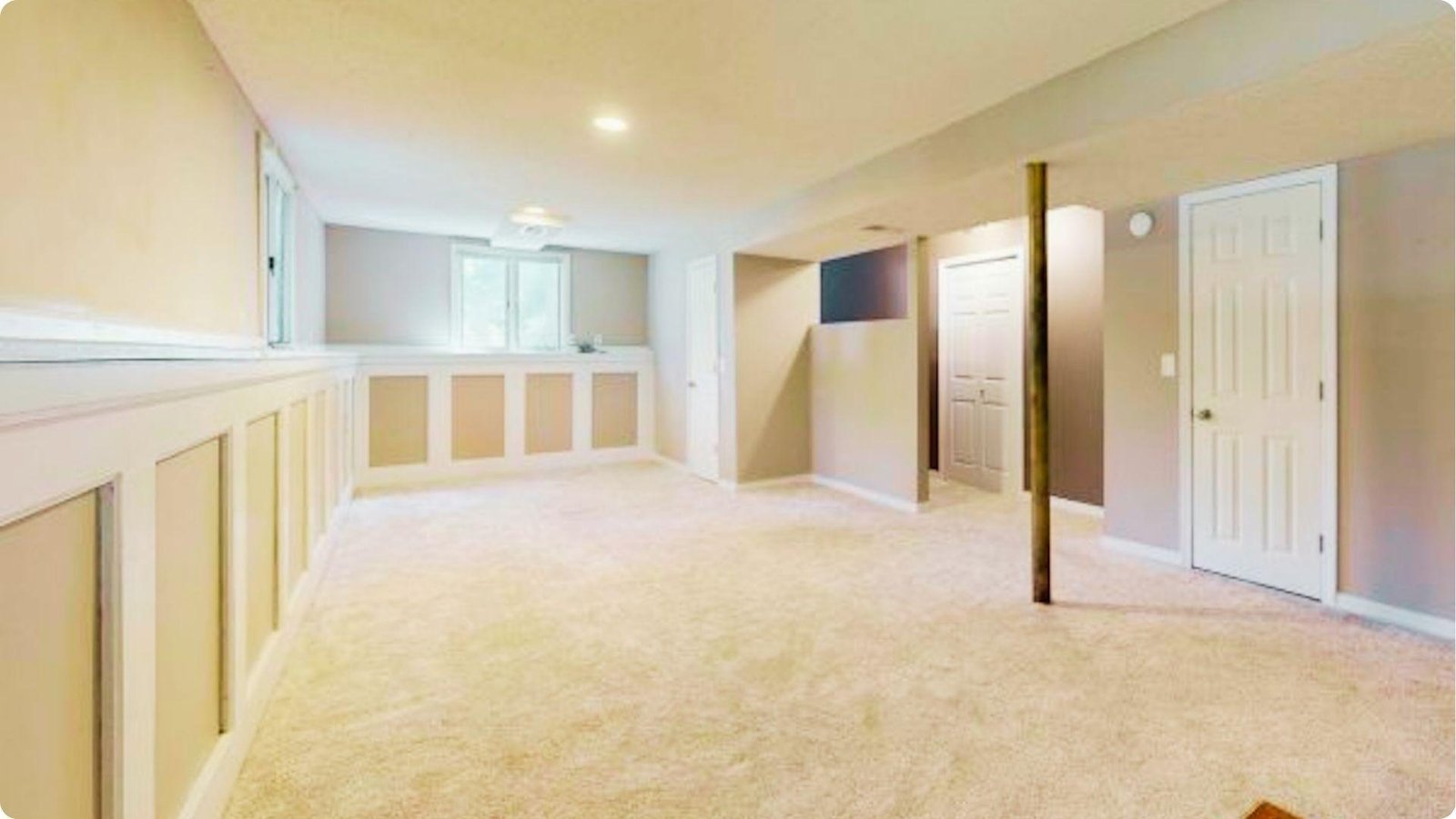
These are the must-haves that turn a raw space into a finished, livable basement.
Finished Walls and Insulation
Bare concrete walls do not qualify. The walls need drywall or finished paneling installed properly. Insulation and moisture protection behind the walls are also required.
Finished Flooring Standards
Plain concrete floors do not count as finished. Carpet, tile, laminate, vinyl, or hardwood must cover the entire floor. The surface should feel like any other room in the home.
Finished Ceiling Requirements
The ceiling must have drywall or a drop ceiling installed. No exposed pipes, wires, or ductwork should be visible. A finished ceiling gives the space a clean and complete appearance.
Heating and Cooling System
The basement must have a permanent connection to the home's HVAC system. Portable heaters or window AC units do not meet the standard. The system must be properly extended and safely installed.
Electrical and Lighting System
Permanent light fixtures must be installed throughout the space. Wiring must be safe, outlets properly grounded, and everything up to code. All electrical work must pass a formal inspection.
What Makes a Basement Finished vs Unfinished
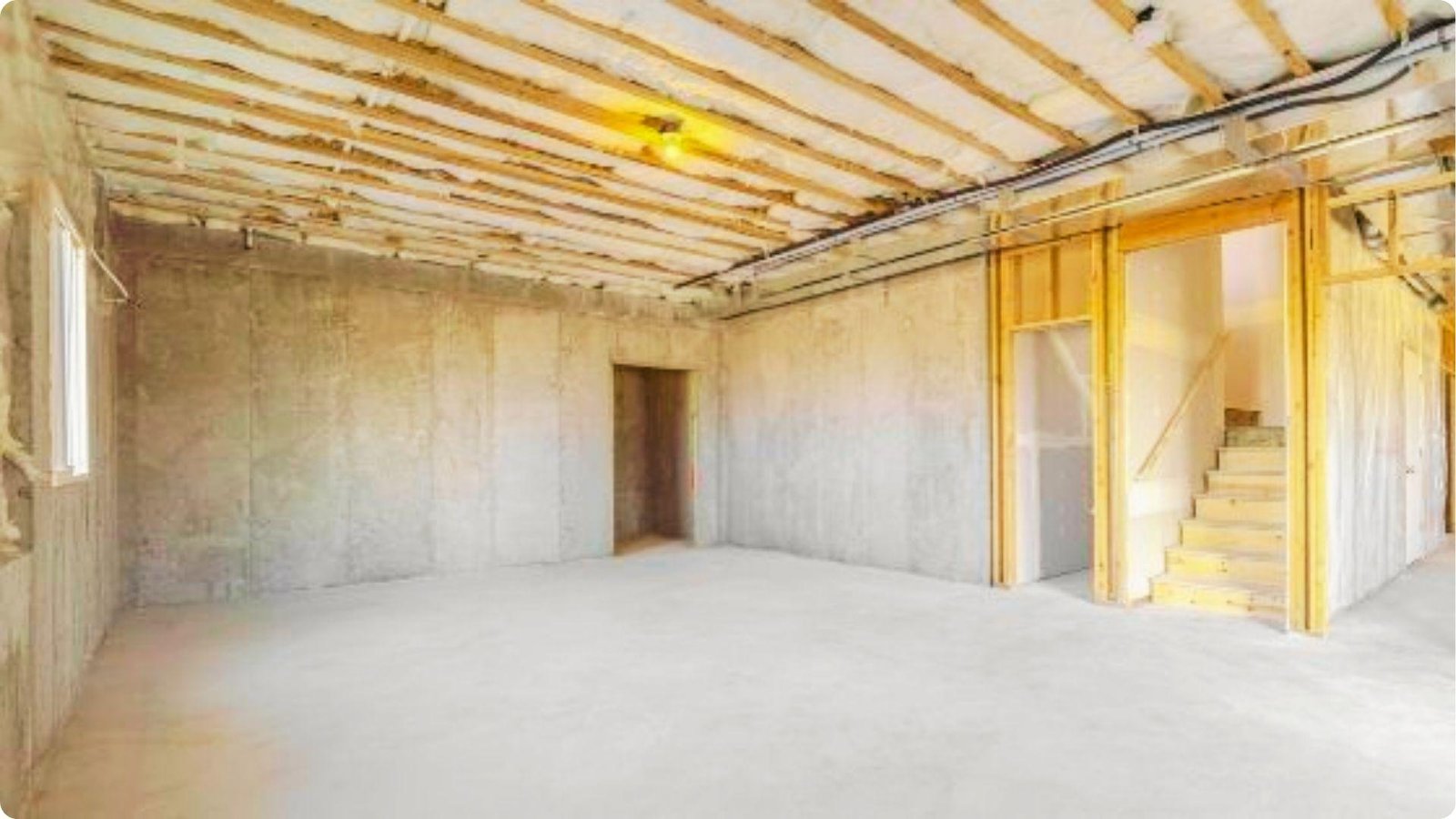
Knowing the difference helps you see exactly where your basement stands right now.
Finished Basement
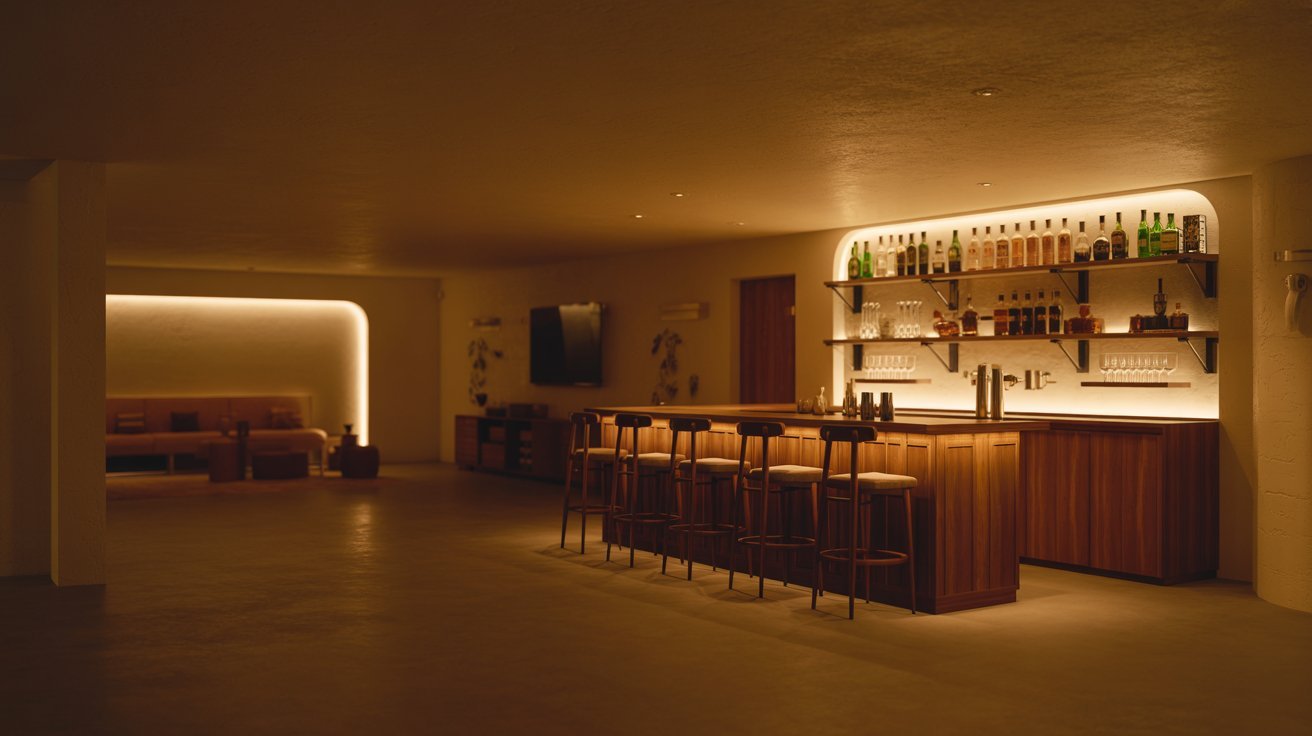
A finished basement is a fully livable space that matches the main home's standards. It has proper walls, flooring, ceilings, and a connected HVAC system.
It also meets all safety codes and adds real square footage to your home.
Unfinished Basement
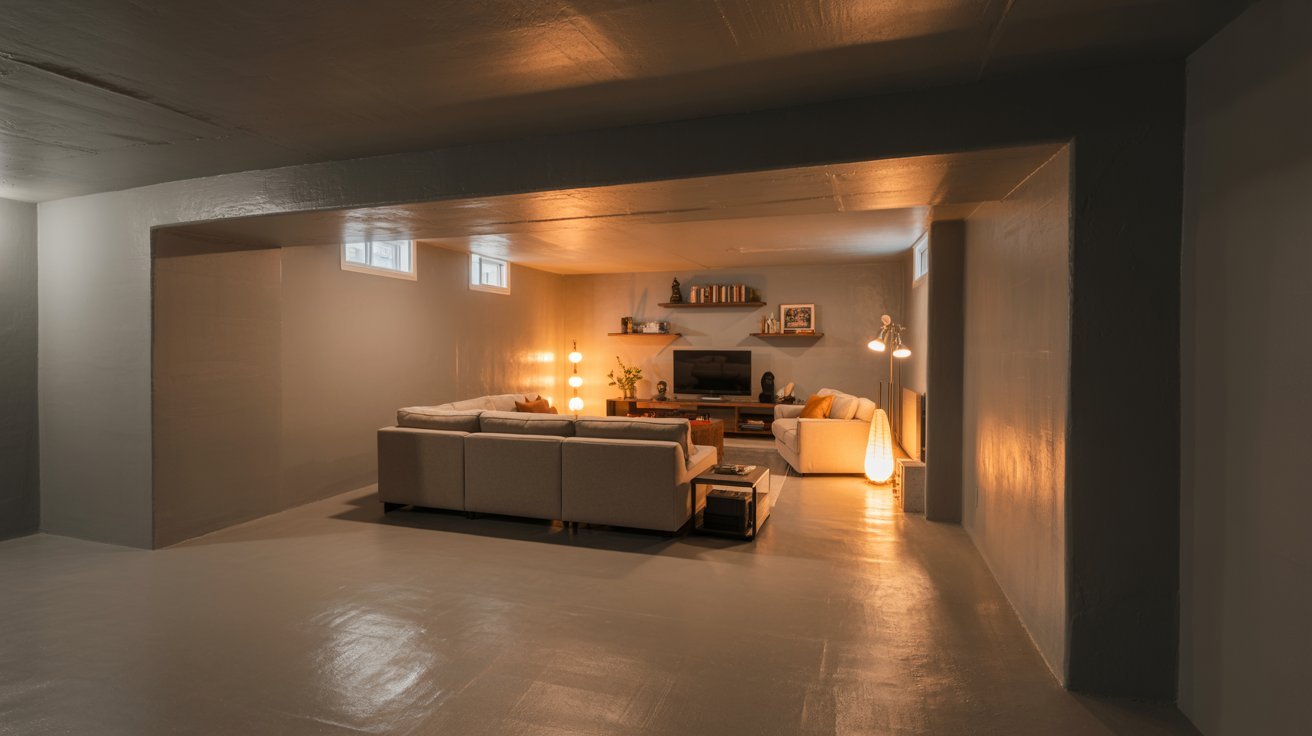
An unfinished basement has exposed concrete, open framing, and bare pipes throughout. There is no permanent heating, cooling, or insulation in place.
Most people use it only for storage or utility access.
Key Differences
A finished basement is far more comfortable, safe, and code-compliant than an unfinished one. Construction quality and livability set the two apart significantly.
The impact on property value and real estate listings is also a major difference.
Common Mistakes to Avoid When Finishing a Basement
Avoiding these errors early can save you time, money, and failed inspections later.
- Skipping permits and inspections before starting the work.
- Using regular drywall instead of moisture-resistant materials near concrete.
- Forgetting to waterproof the walls and floor before adding finishes.
- Installing portable heating or cooling units instead of connecting to the HVAC system.
- Ignoring egress window requirements in rooms meant for sleeping.
Why It Matters What Makes a Basement Finished
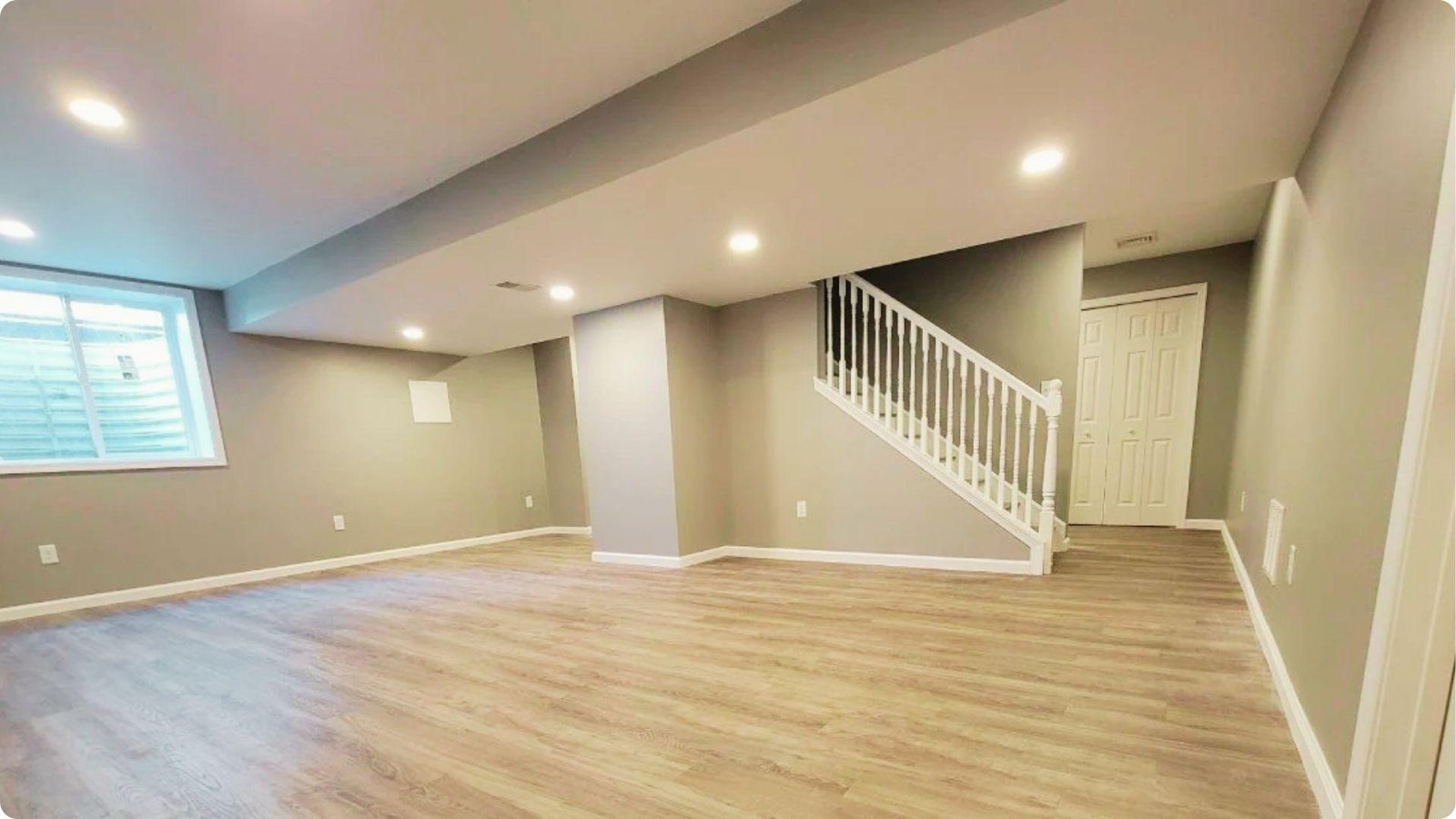
Getting this right has real benefits for your home and your wallet.
A finished basement raises your property value. Buyers treat it as real living space, not just an add-on. It also gives your home more functional square footage for everyday use.
For real estate purposes, finished square footage is counted and appraised differently. This directly affects your home's listing price and overall market value.
Tips to Turn an Unfinished Basement Into a Finished Space
Ready to get started? Here are the key steps to do it right.
- Plan your layout based on how you want to use the space bedroom, office, or living area.
- Check local building codes and pull the required permits before starting any work.
- Use moisture-resistant materials, especially for walls and flooring near concrete.
- Invest in proper insulation and waterproofing before adding any finishes.
- Hire licensed professionals for electrical, HVAC, and plumbing work.
Conclusion
I have seen a lot of homeowners overlook what truly makes a basement finished and then run into problems later during appraisals or inspections.
It is not just about looks. It is about meeting the right standards so the space actually works for you.
If you are thinking about finishing your basement, start with the basics: walls, flooring, HVAC, and permits. Do it right, and you will add real value and real comfort to your home.
Found this helpful? Leave a comment below or share this post with someone planning a basement project.
Frequently Asked Questions
Does Painting Concrete Make It Finished?
No, painting concrete walls or floors does not make a basement finished. A finished basement requires drywall, proper flooring, insulation, and permanent systems like HVAC and electrical.
Can a Basement Be Finished Without HVAC?
No, a permanent heating and cooling system is required. Portable heaters or window units do not meet the standard for a finished basement under most building codes.
Do You Need Permits to Finish a Basement?
Yes, permits are required in most areas. All electrical, structural, and plumbing work must be inspected and approved by local authorities before the space qualifies as finished.
What Adds Most Value to a Finished Basement?
A full bathroom, a legal bedroom with an egress window, and proper HVAC connection add the most value. These features make the space functional, safe, and fully code-compliant.
Is Partially Finished Considered Finished?
No, a partially finished basement does not qualify as fully finished. Unless all required standards are met completely, it will not count as finished square footage in any appraisal.