Most basements just sit there. Storage boxes, old furniture, maybe a water heater in the corner. Sound familiar?
Finishing a basement feels expensive until you actually look into it. A lot of homeowners skip it because they assume the costs are out of reach. But that's not always true.
I've put together 25 inexpensive basement finishing ideas that actually work. You'll find real tips on materials, design choices, and smart ways to cut costs without cutting corners.
If you want a finished basement without draining your savings, you're in the right place.
Let's get into it.
Why Finish Your Basement on a Budget?
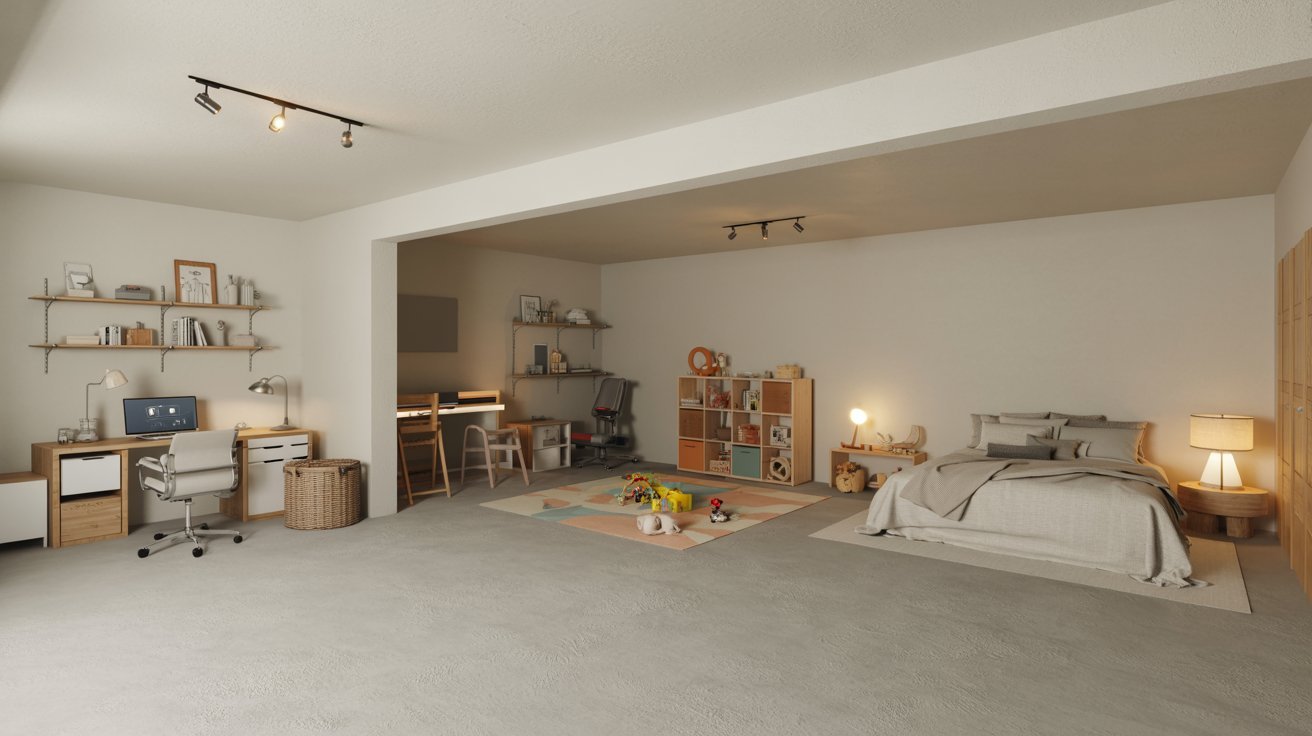
Finishing your basement gives you more living space without the cost of adding a new room or expanding your home.
It's one of the smartest ways to add value to your property without spending a fortune.
A finished basement can work as a home gym, office, playroom, or guest room. You get to decide.
The best part? The structure is already there. Walls, floor, ceiling. You're just working with what exists. That alone keeps the costs much lower than a full renovation.
List of 25 Inexpensive Basement Finishing Ideas
Finishing a basement does not have to cost a lot. These 25 ideas keep things affordable without looking cheap.
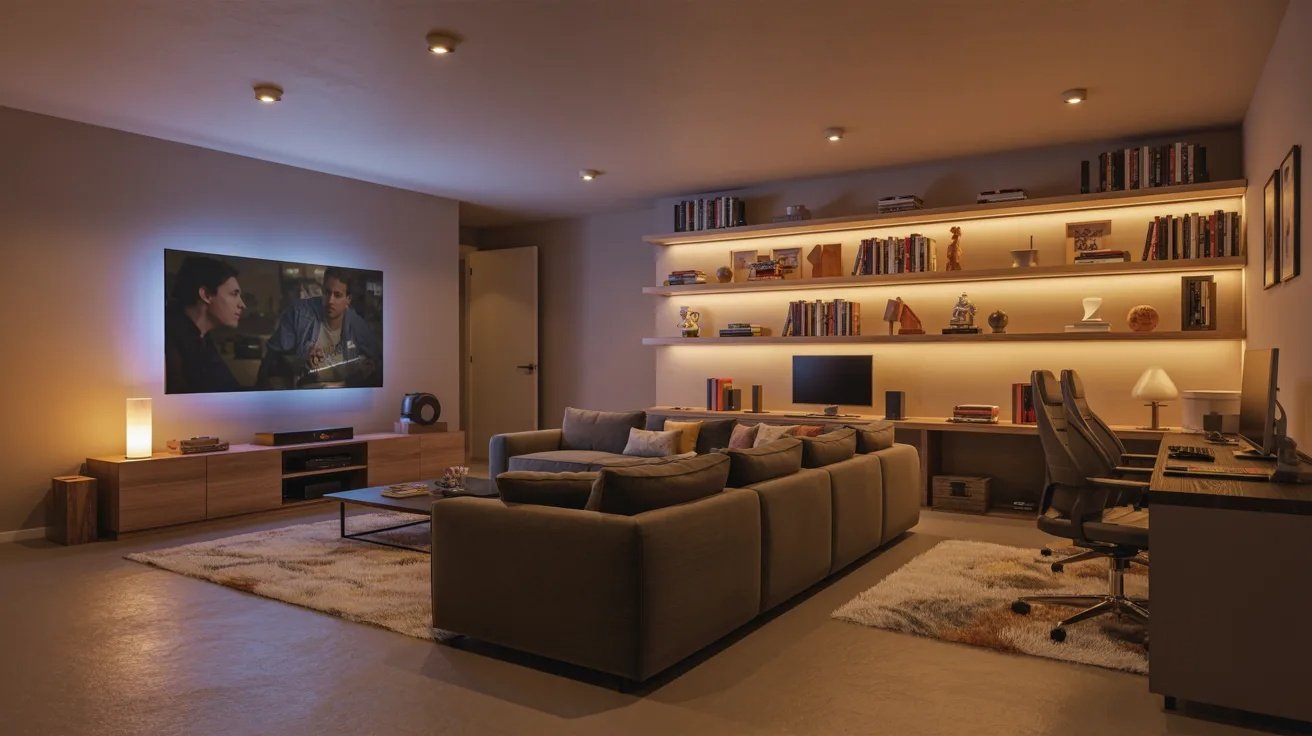
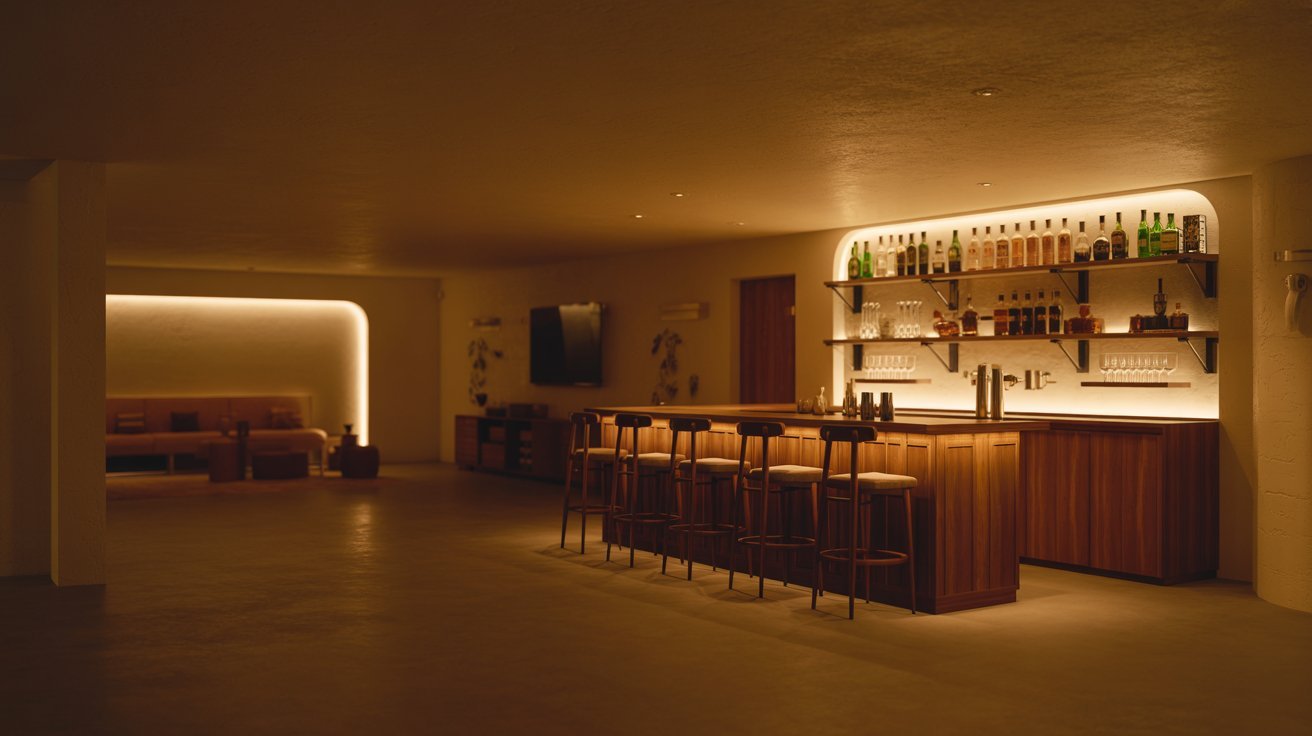
1. Keep an Open-Concept Layout to Avoid Framing Costs
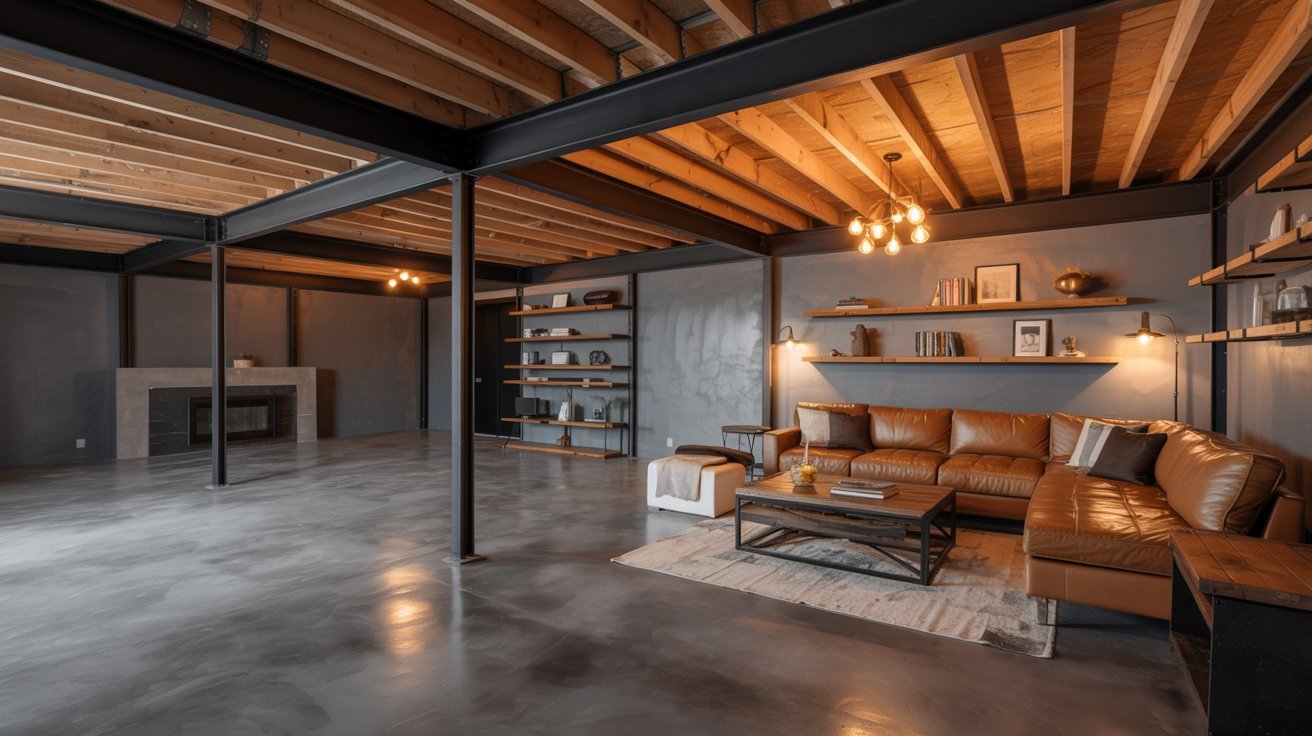
Skipping interior walls saves a lot of money. An open layout means less lumber, less labor, and fewer materials overall.
It also makes the space feel bigger. You can always section things off later with curtains or shelving if needed.
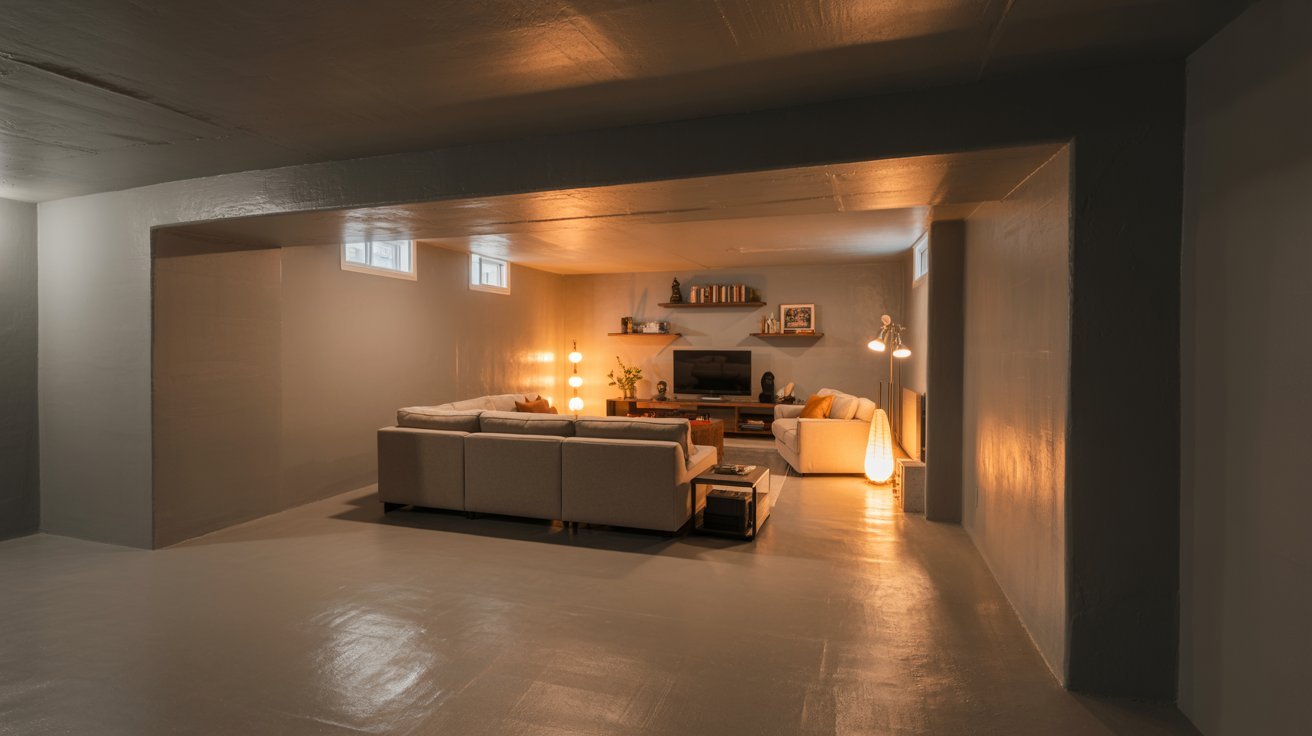
2. Paint Exposed Concrete Floors for a Clean Finish
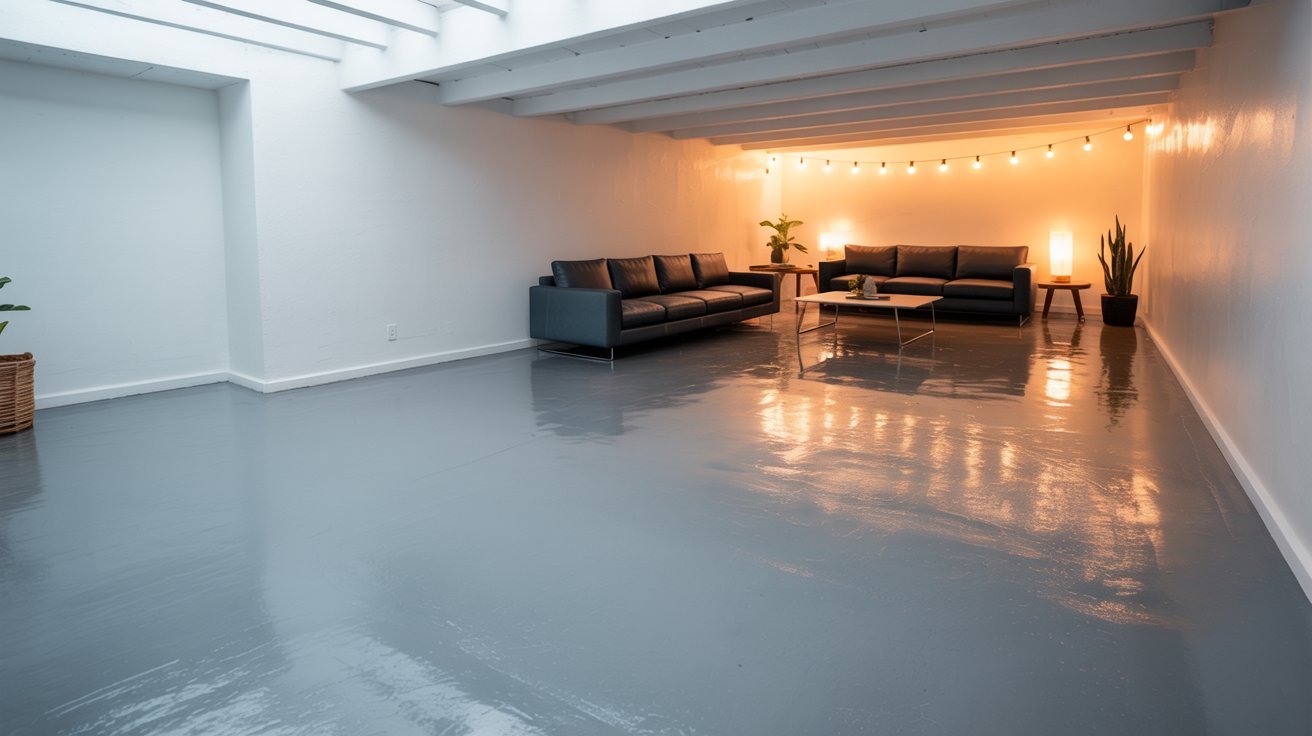
Concrete floor paint is cheap and easy to apply. A fresh coat instantly makes the space look intentional and clean.
Choose a light color to brighten things up. This works great if you're not ready to commit to actual flooring just yet.
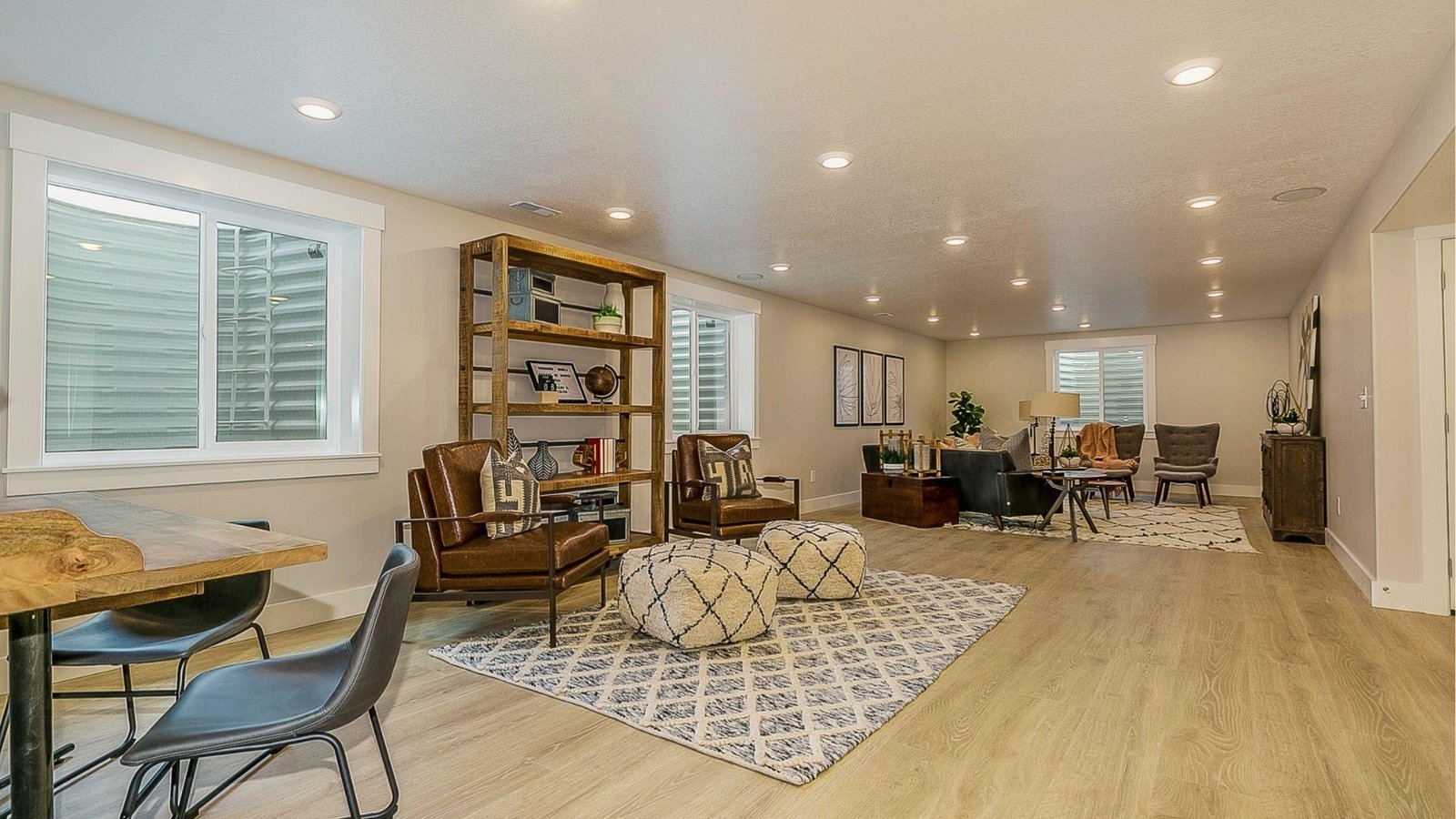
3. Use Luxury Vinyl Plank (LVP) Flooring for Low-Cost Durability
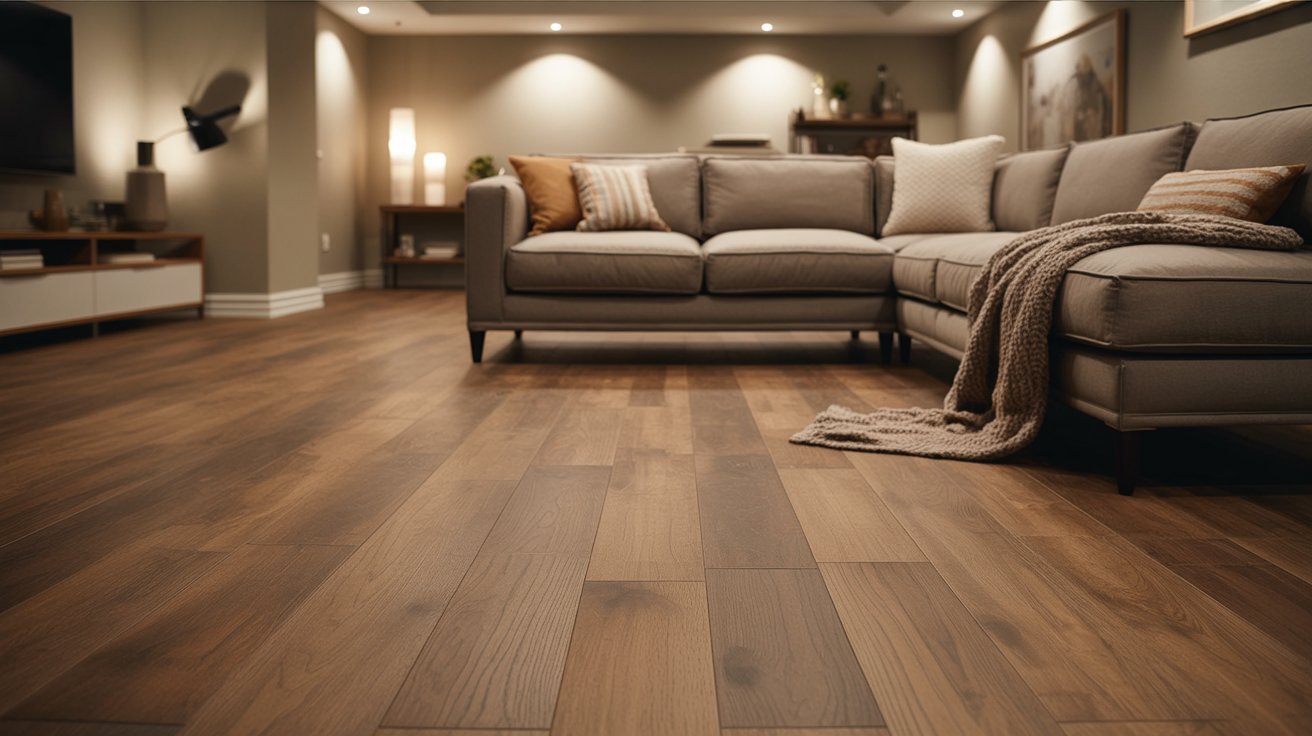
LVP is one of the best budget flooring options out there. It looks like real wood, handles moisture well, and clicks into place without glue.
You can install it yourself over a weekend. It holds up well in basements and looks great too.
4. Install Peel-and-Stick Flooring for Quick Upgrades
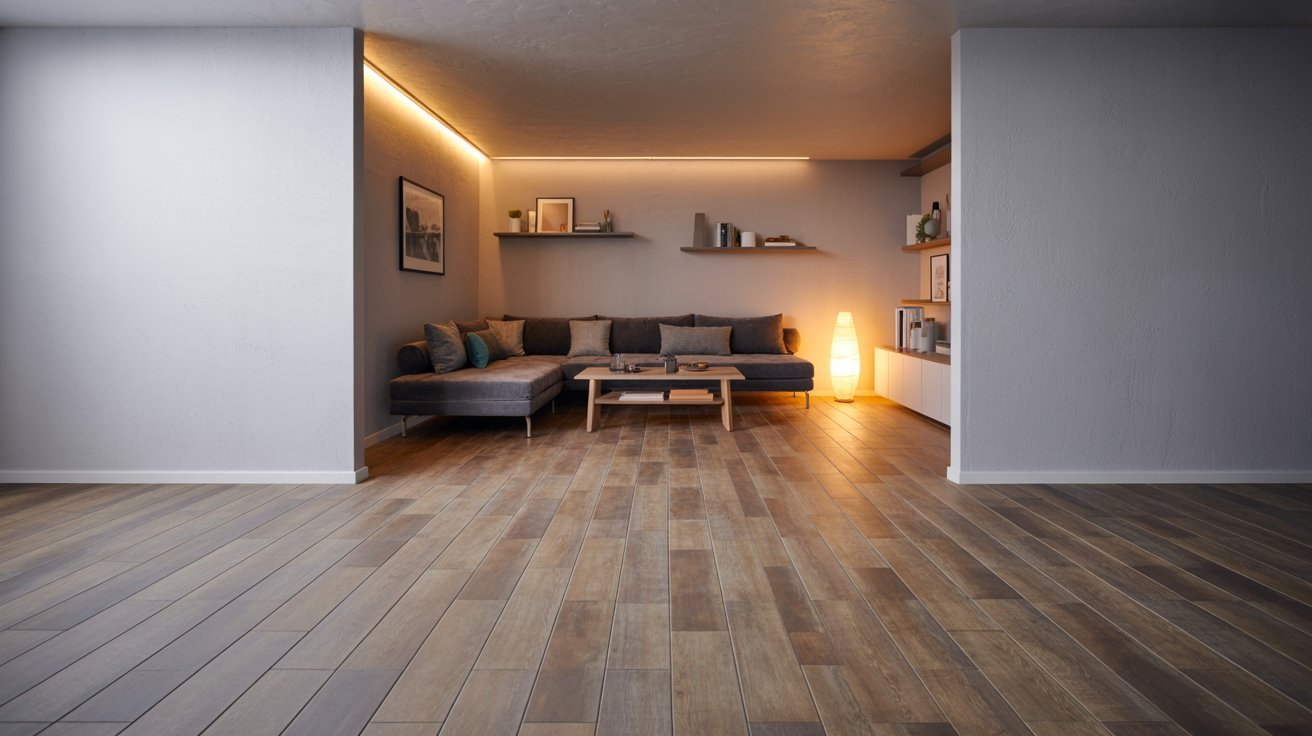
Peel-and-stick tiles are fast, affordable, and beginner-friendly. No special tools needed. Just clean the floor, peel, and press.
They come in wood, stone, and tile looks. Great for renters or anyone who wants a quick refresh without a big commitment.
5. Add Carpet Tiles for Budget-Friendly Comfort
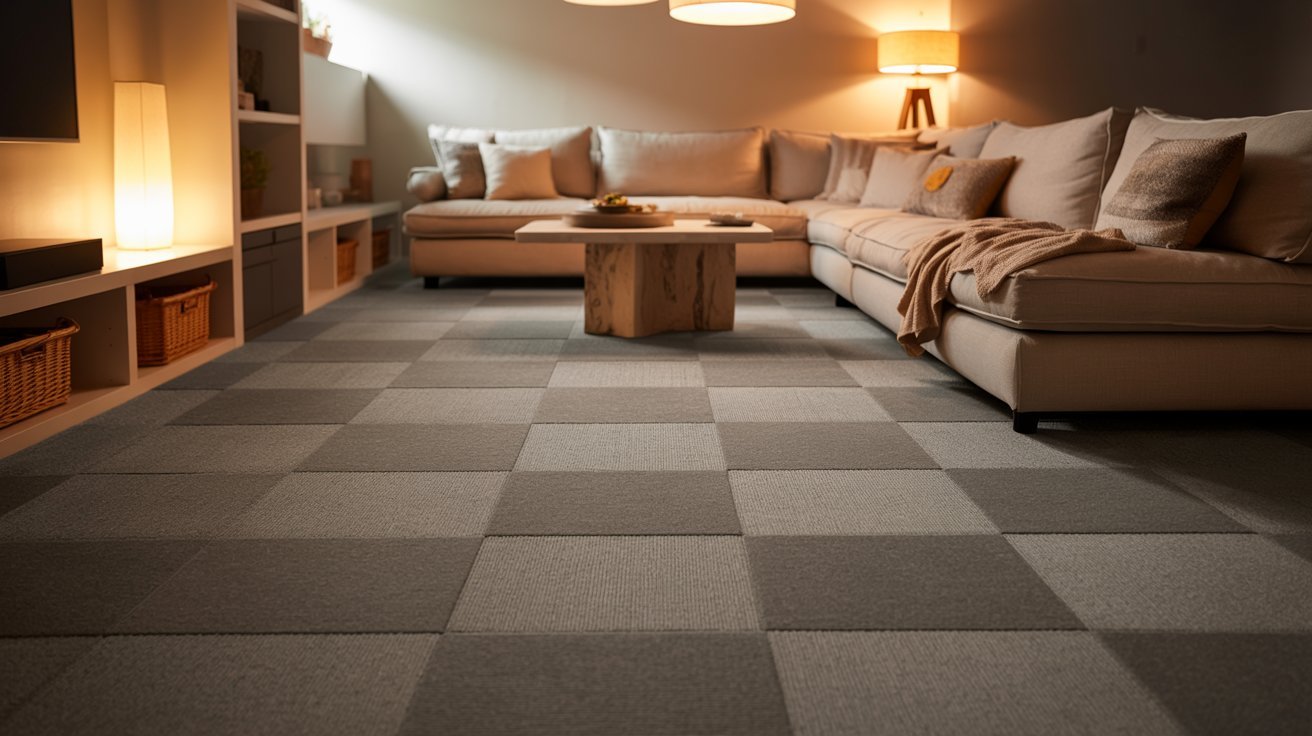
Carpet tiles are softer underfoot and easy to install yourself. You can mix colors or keep it simple.
The best part is that if one tile gets damaged, you just replace that one piece. No need to redo the whole floor.
6. Use Area Rugs Instead of Full Flooring Replacement
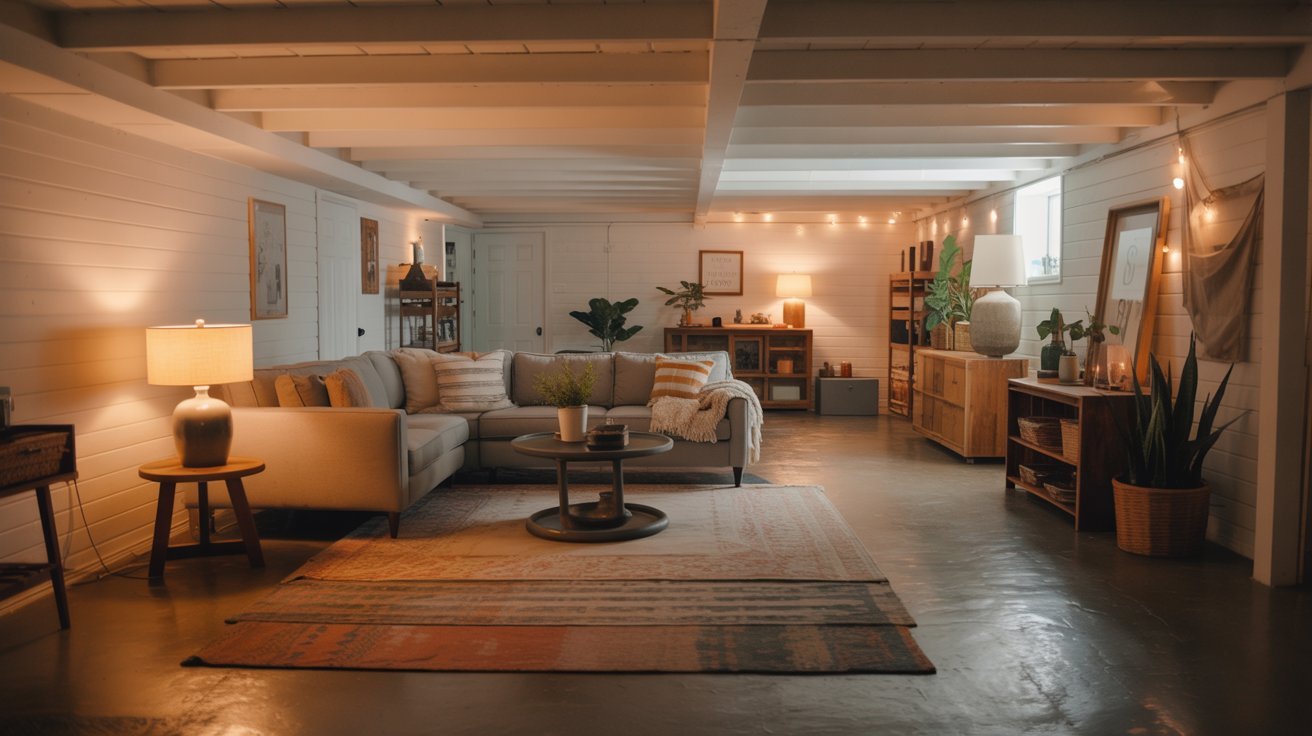
A good area rug can cover a lot of ground, literally. It adds warmth, color, and comfort without the cost of full flooring.
Layer a few rugs in different zones to define spaces. It's one of the easiest and cheapest upgrades you can make.
7. Paint Basement Walls Instead of Drywalling Everywhere
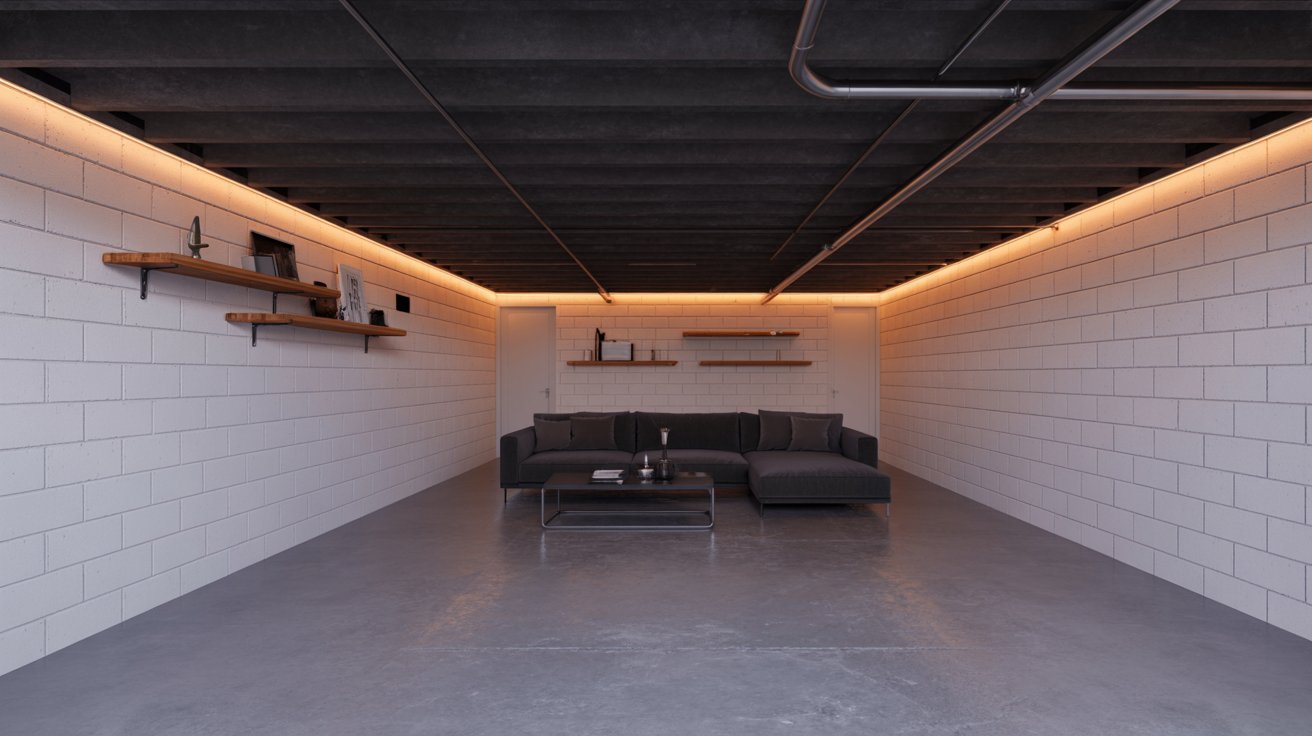
Drywall gets expensive fast. Painting directly on concrete or block walls is a solid alternative. Use masonry paint for best results.
It seals the surface, looks clean, and costs a fraction of what drywall would. Great for utility areas or rough spaces.
8. Use Moisture-Resistant Drywall Only in Key Areas

You don't need drywall on every single wall. Focus it on the areas that matter most, like around a bathroom or laundry space.
Moisture-resistant drywall costs more than standard, so using it only where needed keeps your budget in check.
9. Leave Exposed Ceilings and Paint Them for a Modern Look

Exposed ceilings are actually in style right now. Skip the drop ceiling and just paint everything up top in black or dark gray.
It hides imperfections and gives the space an industrial feel. Plus, it keeps full access to pipes and wiring.
10. Add Faux Beams for a Finished Look
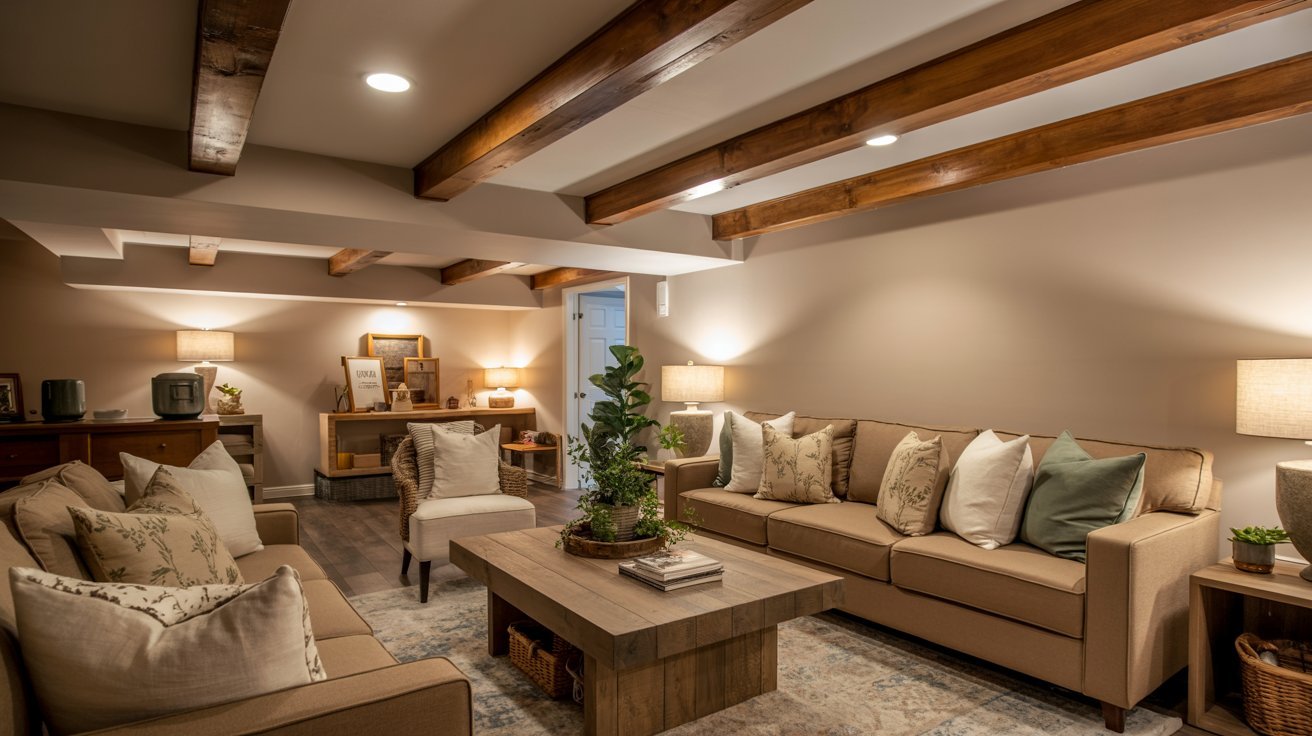
Faux wood beams are lightweight, affordable, and easy to install. They add character to an otherwise plain ceiling without structural work.
You can find them at most home improvement stores. Paint or stain them to match your style and they look very convincing.
11. Use Foam Insulation Panels to Reduce Heating Costs
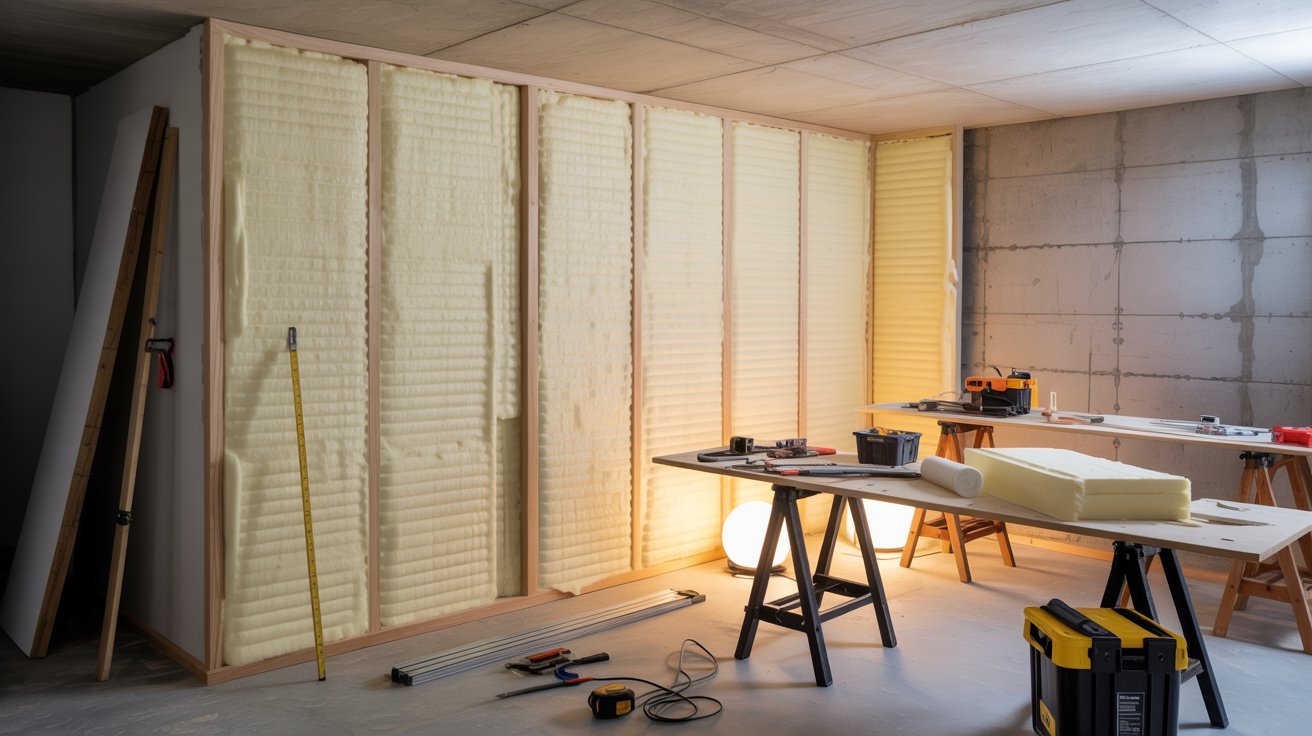
Rigid foam insulation panels are cheaper than spray foam and easy to cut and install yourself.
They keep the basement warmer in winter and cooler in summer. Better insulation means lower energy bills over time, so this one actually pays for itself.
12. Build DIY Shelving Instead of Custom Cabinetry

Custom cabinets are one of the biggest budget killers in any renovation. Build your own shelves with basic lumber instead.
Simple wall-mounted shelves or freestanding units cost a fraction of the price. They work great for storage, display, or a home office setup.
13. Use Modular Storage Units for Flexible Organization
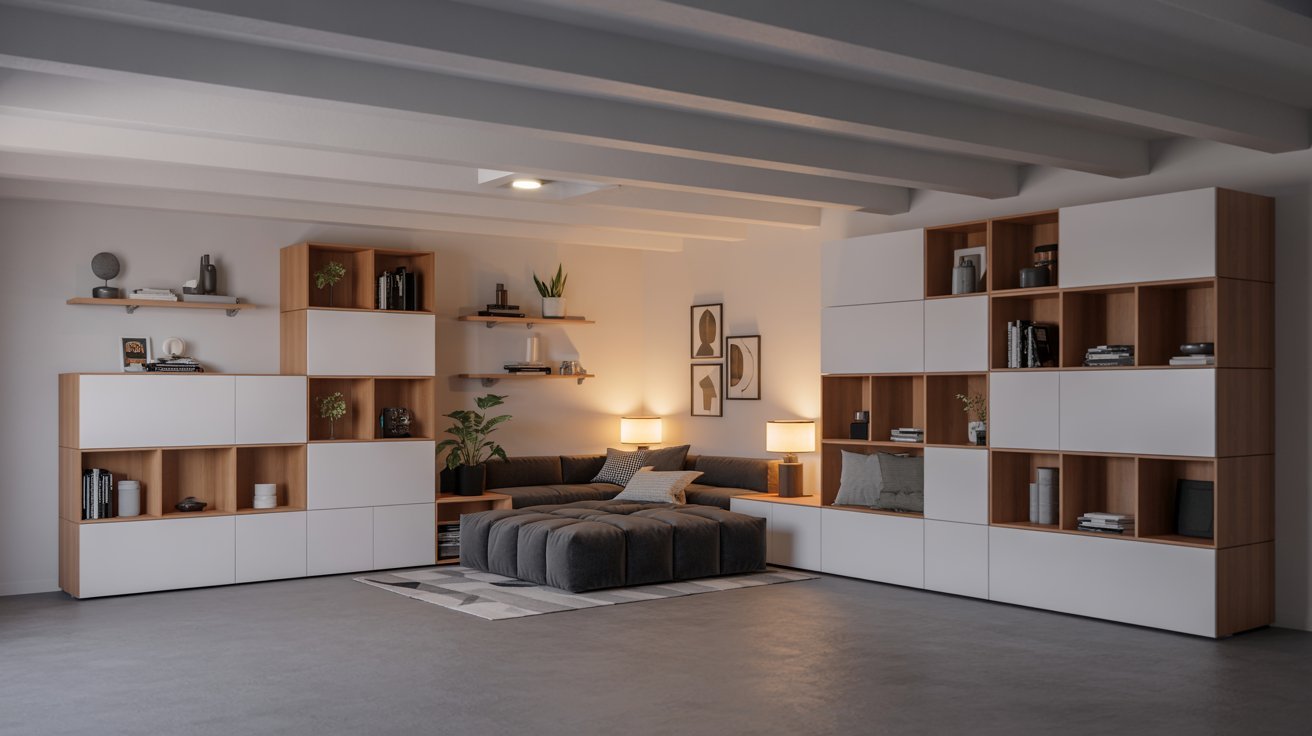
Modular units from stores like IKEA are affordable and easy to rearrange. You can stack them, spread them out, or add to them later.
They give the basement a clean, organized look without custom built-ins. And you can take them with you if you move.
14. Convert Under-Stair Space Into Storage
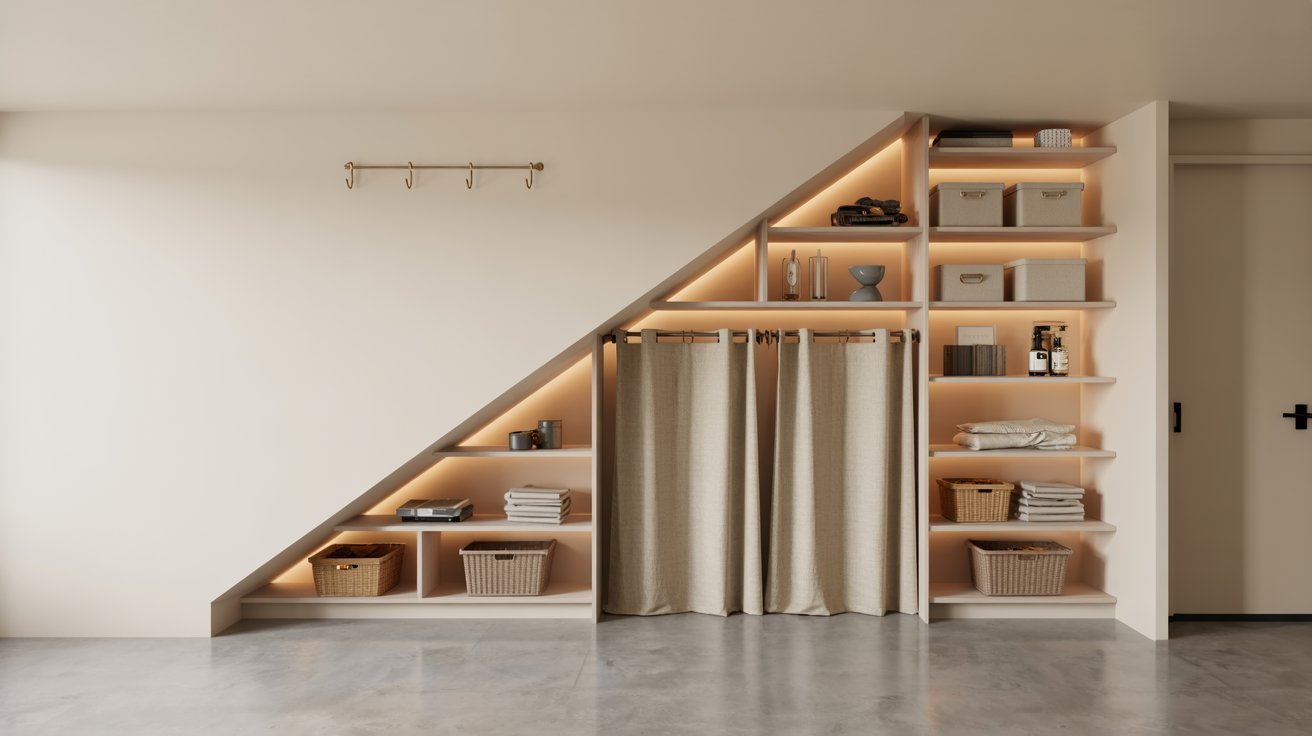
The space under your stairs is usually wasted. Add a few shelves, hooks, or even a small closet setup to make it useful.
It costs very little and gives you extra storage without taking up floor space. A curtain rod and fabric can hide it all neatly.
15. Install Budget LED Recessed Lighting
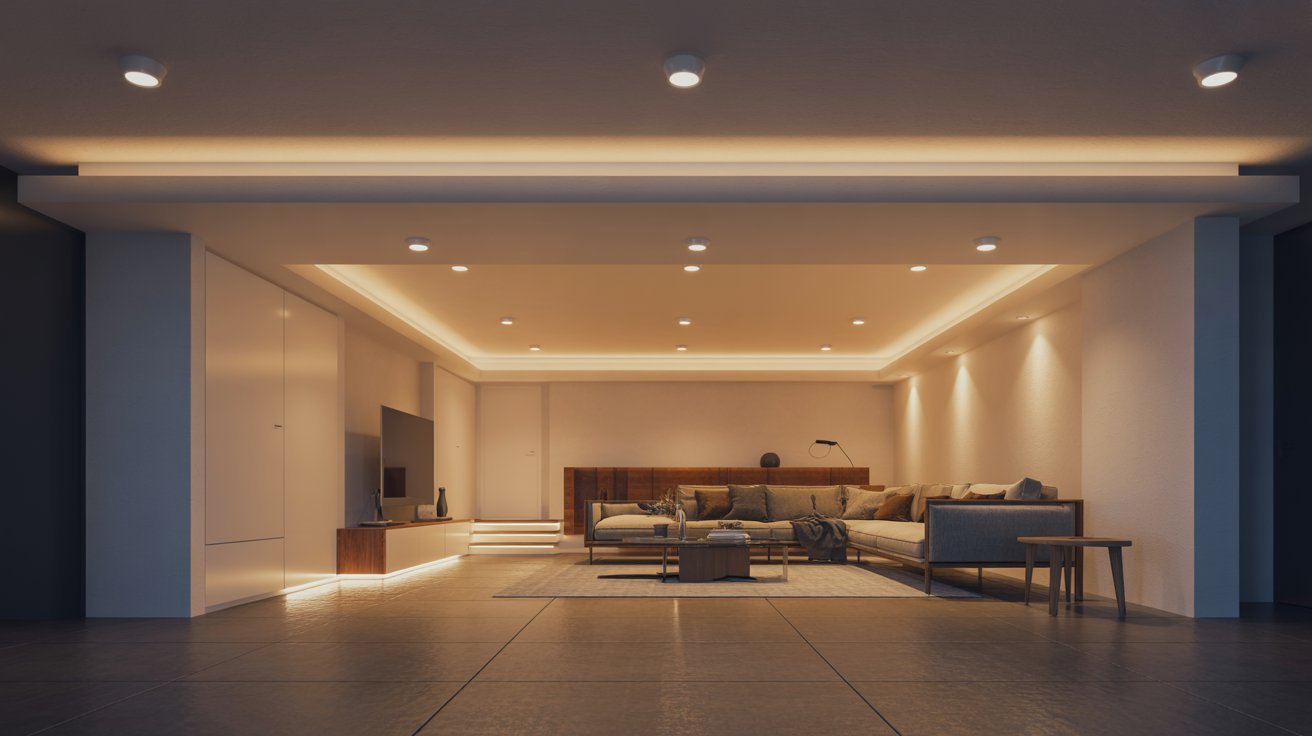
LED recessed lights are affordable and make a huge difference in how a basement feels. They brighten up low ceilings without hanging fixtures.
Many kits are DIY-friendly. Choose warm white bulbs to keep the space feeling cozy rather than cold and clinical.
16. Use String Lights for Ambient Basement Lighting
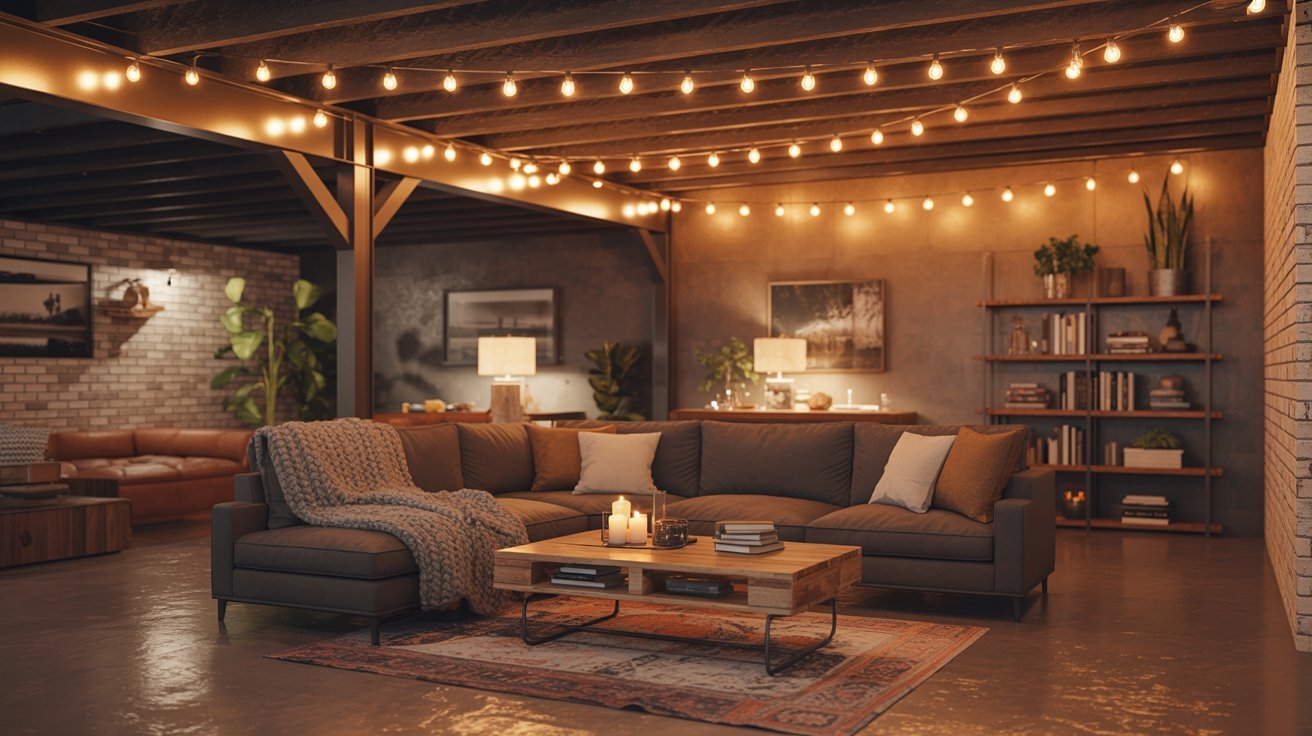
String lights are inexpensive and add a warm, relaxed feel to any basement space. Hang them along exposed beams, around a seating area, or across the ceiling.
They work well as a secondary light source and make the space feel less like a basement.
17. Add Battery-Operated Wall Sconces
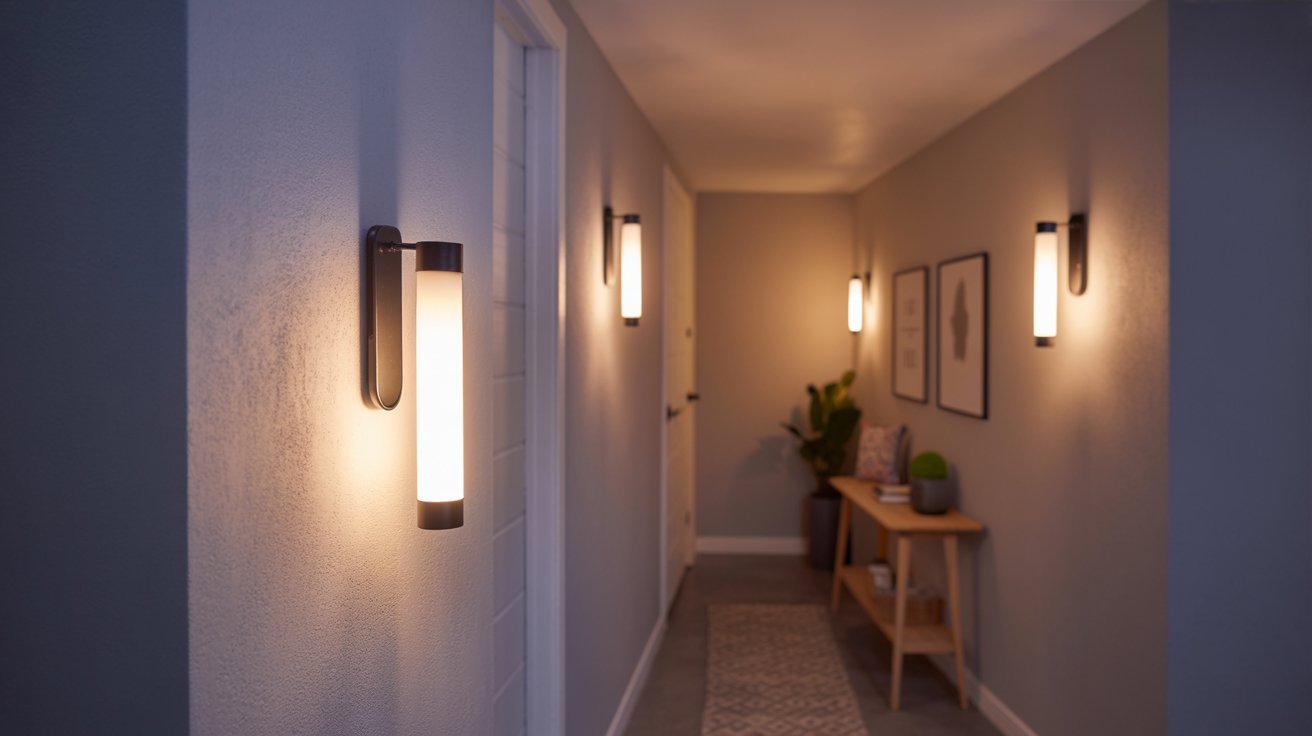
No wiring needed. Battery-operated sconces are easy to mount anywhere and give off a soft, warm glow.
They're great for dark corners or spots where running an electrical line would be too costly. Swap the batteries every few months and you're good.
18. Shop Secondhand Furniture for Seating and Tables
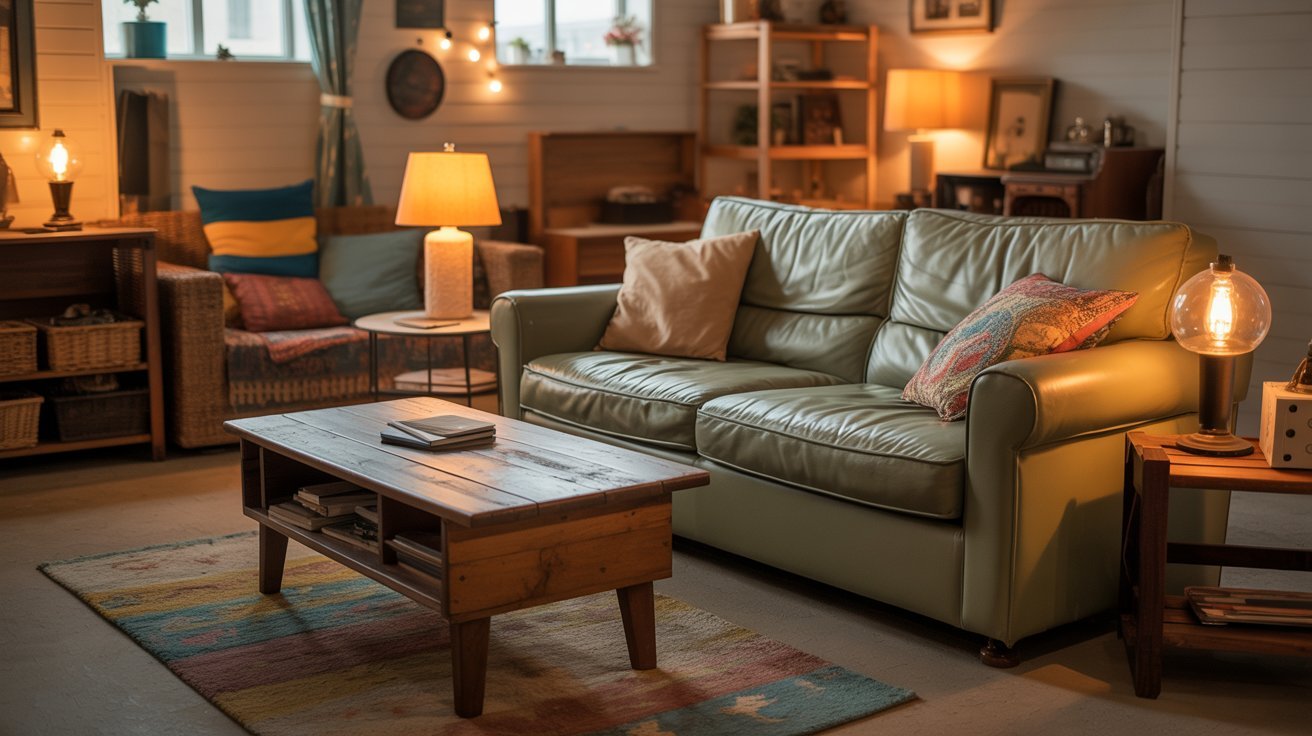
Facebook Marketplace, thrift stores, and garage sales are full of solid basement furniture at low prices.
A secondhand sofa, coffee table, or bookshelf can look great with a little cleaning or a fresh coat of paint. No need to buy everything new.
19. Repurpose Old Furniture With Paint or Refinishing
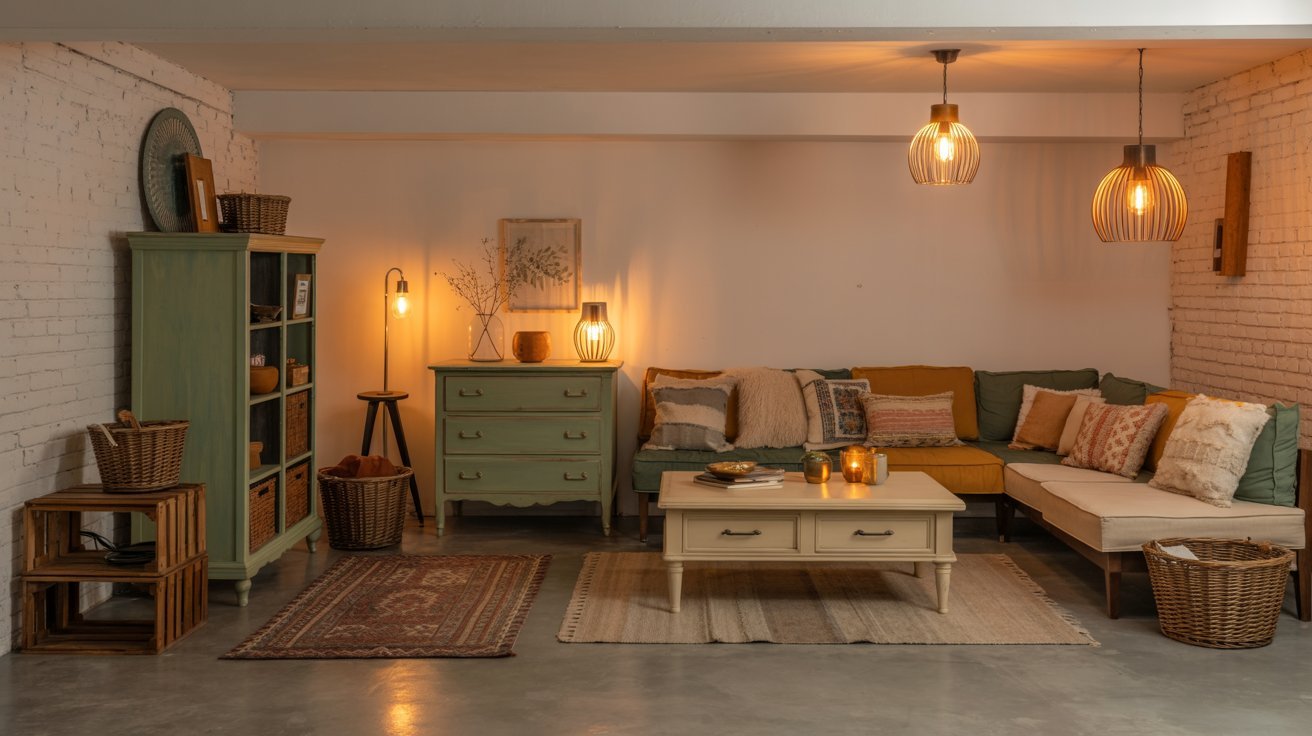
Before buying anything new, look at what you already have. A coat of paint can completely change how a piece of furniture looks.
Sand it down, prime it, and paint it in a color that works for your basement. It costs almost nothing.
20. Create Partition Walls Using Curtains or Fabric
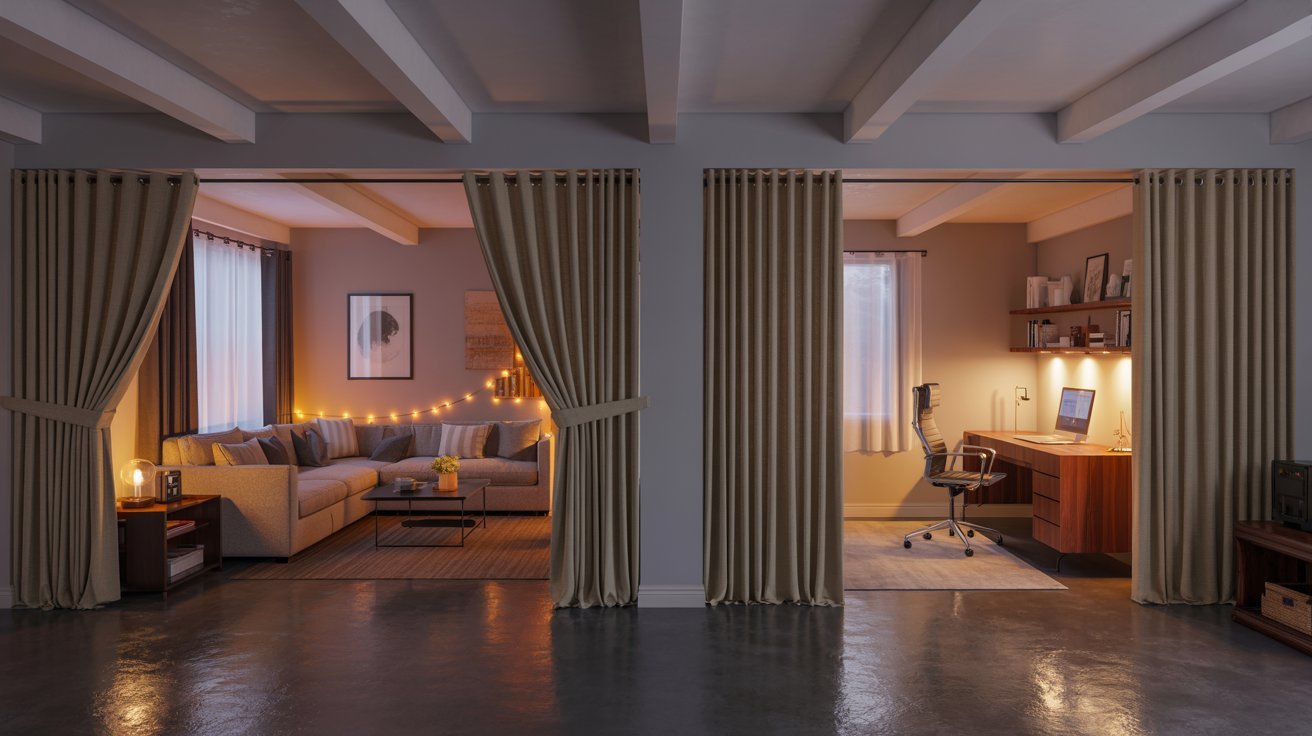
Floor-to-ceiling curtains are a cheap way to divide a basement into separate zones. Use a ceiling-mounted curtain rod and hang heavy fabric.
It creates privacy without building walls. You can open it up or close it off depending on how you're using the space.
21. Use Open Shelving as Room Dividers
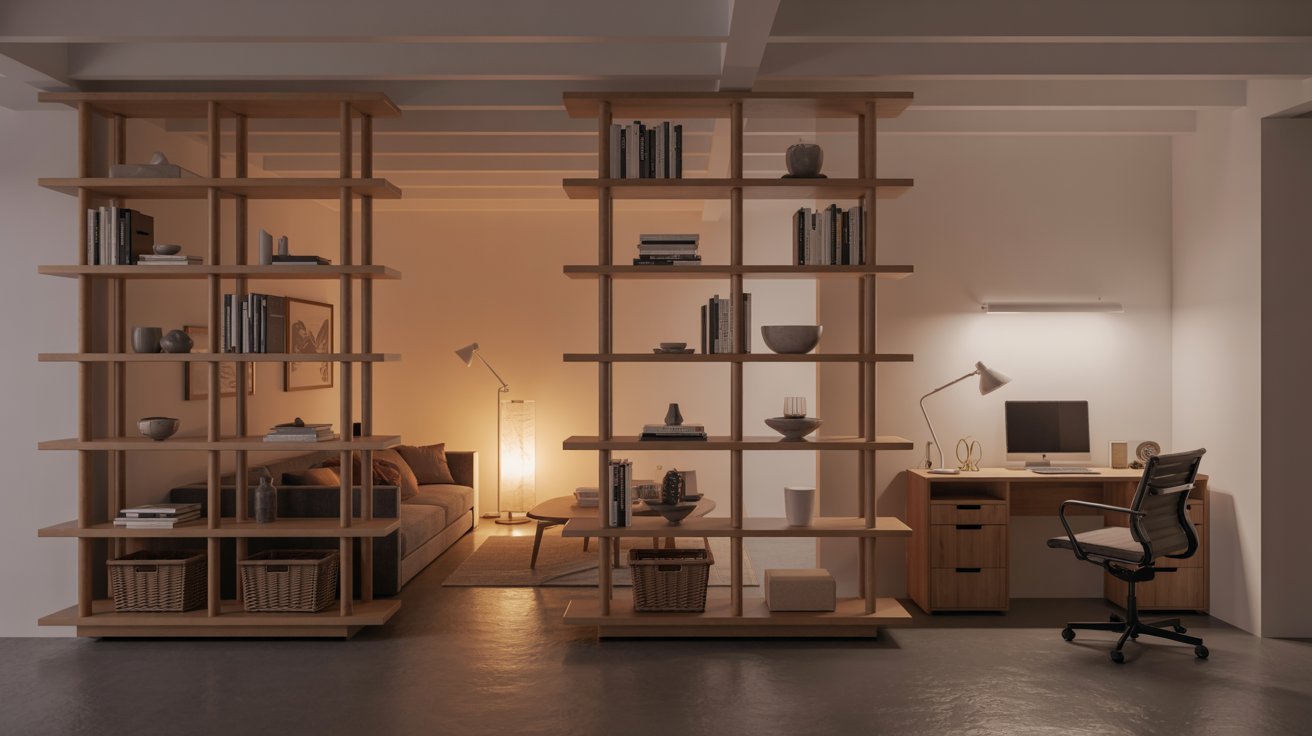
A tall shelving unit can act as a wall between two areas. It defines the space while also giving you storage.
Place it between a home office and a lounge area, for example. It keeps things open while still creating a sense of separation.
22. Add DIY Accent Walls With Peel-and-Stick Wallpaper
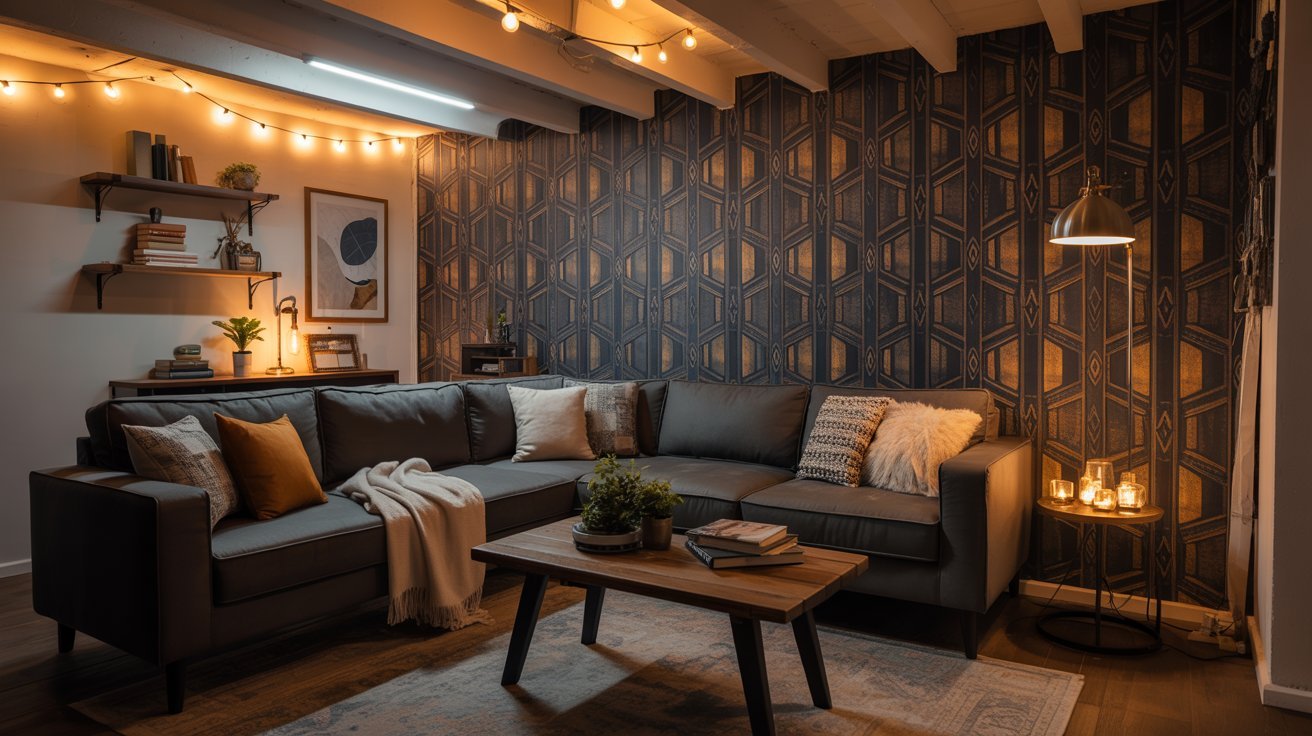
Peel-and-stick wallpaper has come a long way. It looks good, goes up fast, and comes off without damaging the wall.
Pick one wall and go bold with a pattern or texture. It adds personality to the basement without a big investment.
23. Use Epoxy Coating for Durable Concrete Floors
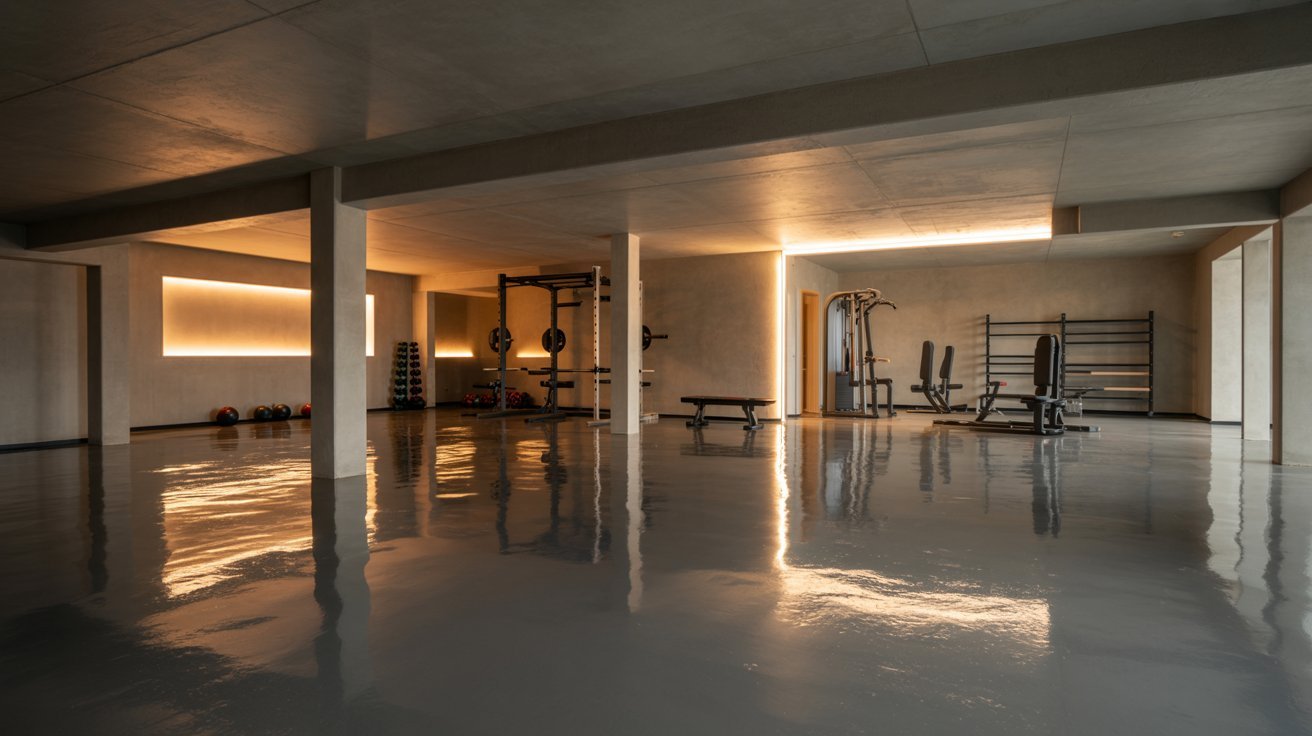
Epoxy floor coating gives concrete a glossy, finished look that's easy to clean. It's tougher than paint and holds up well under heavy use.
You can do it yourself with a kit from any hardware store. It works especially well in gym or utility areas.
24. Install Inexpensive Stair Upgrades With Paint or Decals
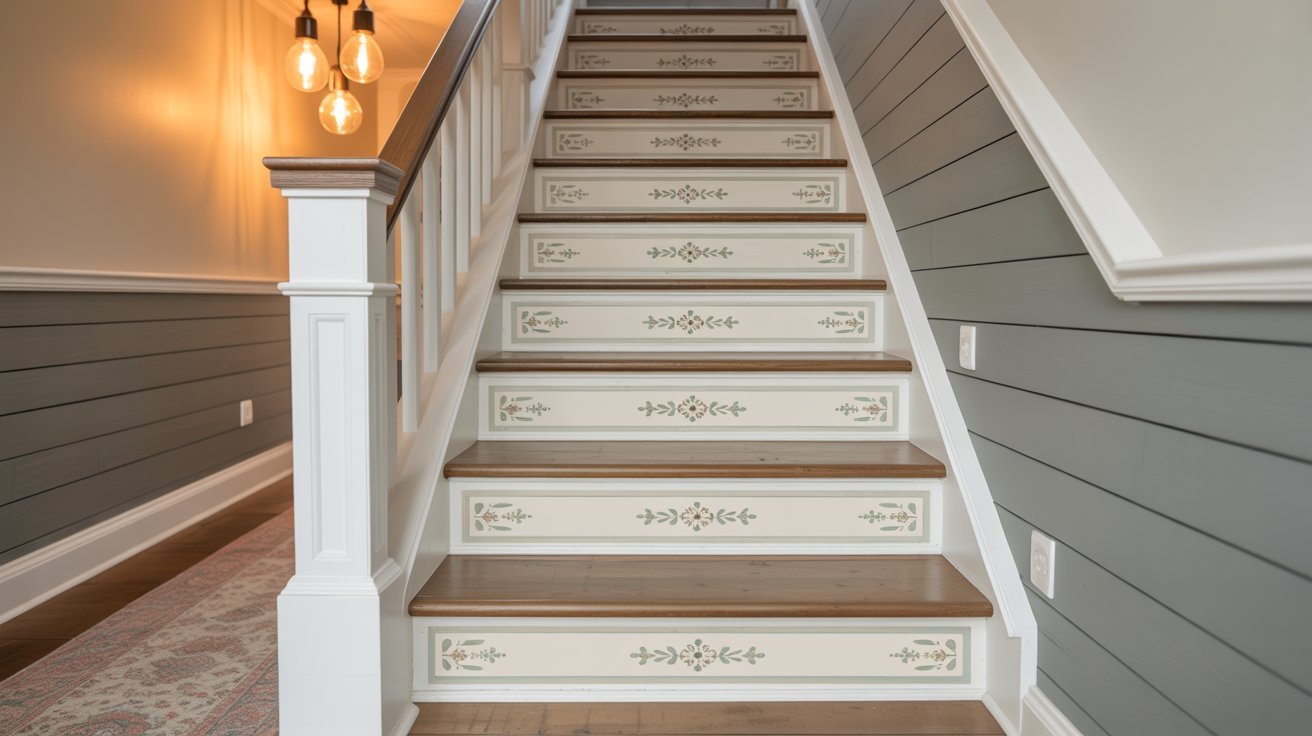
Your basement stairs are one of the first things people see. Paint the risers white and stain the treads, or add peel-and-stick decals for a fun pattern.
It's a small change that makes a big visual difference and costs very little to do.
25. Plan Future Upgrades but Finish in Phases
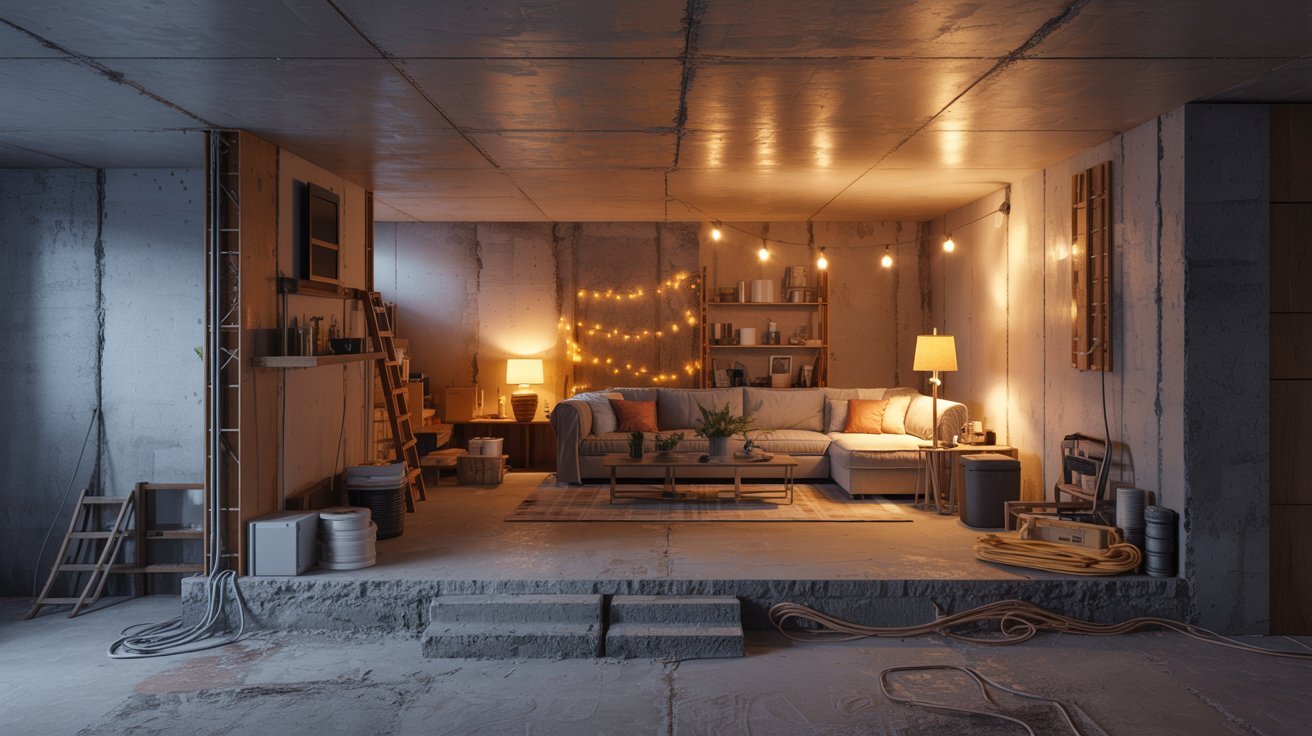
You don't have to do everything at once. Finish the basics first, live in the space, and add upgrades over time.
This spreads out the cost and lets you figure out what you actually need. A phased approach is smart and keeps spending under control.
Budget-Friendly Basement Finishing Tips
- Start with flooring and lighting. These two changes make the biggest visual difference and set the tone for everything else in the space.
- Do the simple stuff yourself and hire a pro only for electrical or plumbing work. That balance keeps costs down without cutting corners on safety.
- Always pick moisture-resistant materials in a basement. It saves you from costly repairs and replacements down the road.
- Skip extra walls and structural changes where you can. The less you alter the existing layout, the more money stays in your pocket.
- Before buying anything new, look at what you already have. Reusing or repainting old materials is one of the easiest ways to cut your overall budget.
Conclusion
Finishing your basement on a budget is very much doable. You just need a solid plan and a little patience.
Start small. Focus on lighting, flooring, and layout first. Add more over time as your budget allows. You do not need to do it all at once.
The goal is a space that works for you without costing a fortune.
Ready to get started? Pick one idea from this list and take that first step today. You will be surprised how far a little effort goes.
Frequently Asked Questions
What is the cheapest way to finish a basement?
Painting walls and floors, adding LVP flooring, and using LED lighting are the most affordable starting points. These changes make a big difference without costing a lot.
Can I finish my basement myself without hiring a contractor?
Yes, many tasks like flooring, painting, and shelving are beginner-friendly and easy to do on your own. Hire a pro only for electrical and plumbing work.
How much does it cost to finish a basement on a budget?
A basic budget finish can cost anywhere from $5,000 to $15,000 depending on size and materials. Doing the work yourself brings that number down significantly.
What flooring is best for a budget basement?
Luxury vinyl plank and peel-and-stick tiles are two of the most affordable and practical options. Both handle moisture well and are easy to install without professional help.
Do I need a permit to finish my basement?
Most areas require a permit for electrical, plumbing, or structural changes in a basement. Always check with your local building department before starting any work.