I know how frustrating it feels to walk into your basement after heavy rain and find water where it shouldn't be.
You patch it. You paint over it. And it comes back. Again and again. That cycle is exhausting. And expensive.
That's why I put together this guide on the french drain basement system.
I'll walk you through how it works, what the installation looks like, how much it costs, and how to know if it's the right fix for your home.
I'll also cover the difference between interior and exterior systems, real decision factors, and mistakes to avoid before hiring anyone.
By the end, you'll stop guessing and start making a real plan.
What Is a French Drain Basement System?
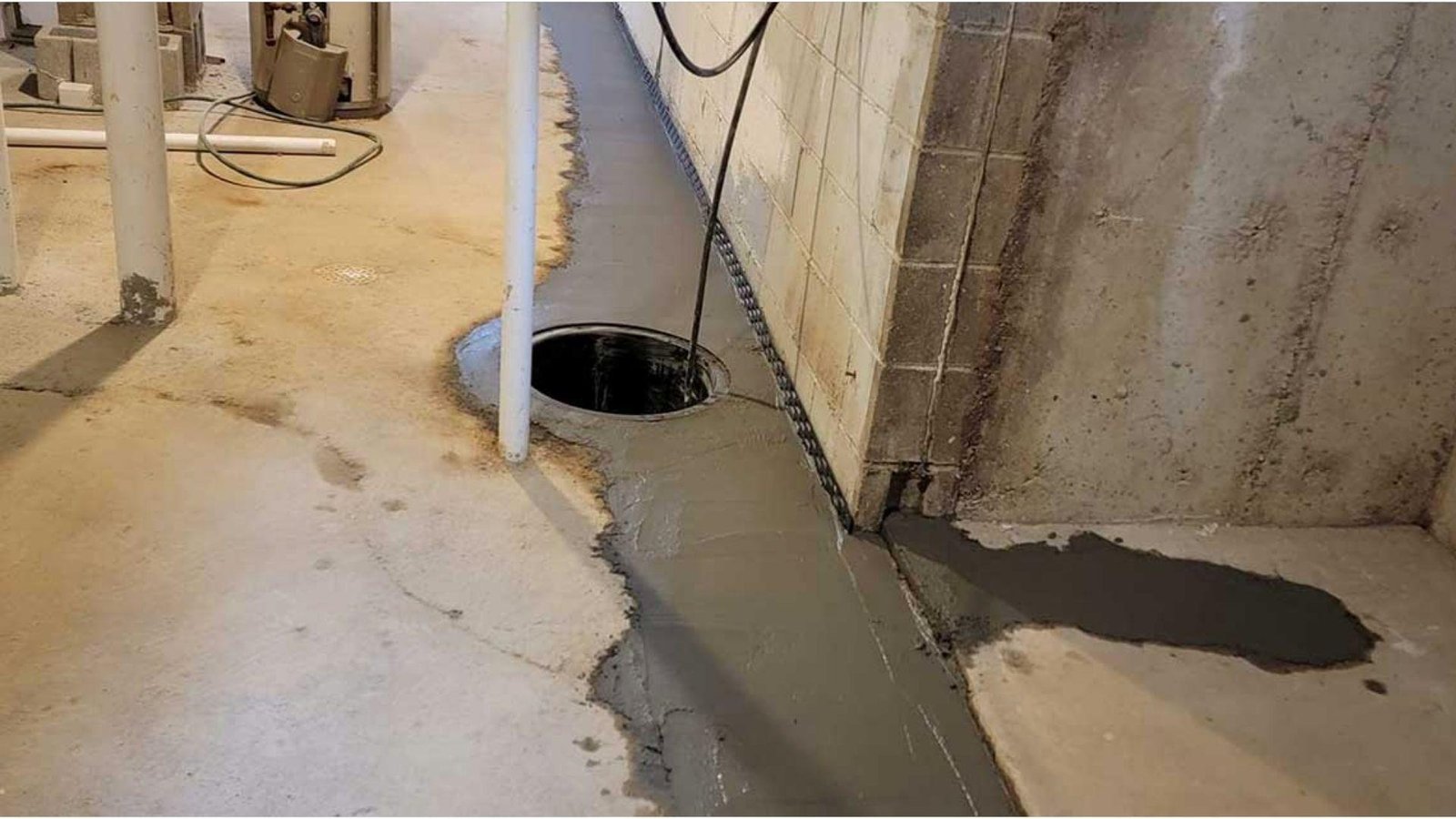
A french drain basement system is a below-ground drainage setup designed to manage water before it causes damage. It does not block water. It moves it.
The system uses a perforated pipe wrapped in filter fabric, surrounded by gravel, placed inside a trench dug along your basement floor.
When groundwater builds up beneath the slab, it flows into that pipe and gets carried toward a sump pump. The pump then pushes the water out and away from your home.
The real problem in most basements is hydrostatic pressure, which is the force water creates as it pushes against your foundation walls.
A french drain relieves that pressure instead of just covering up the symptoms.
Why Homeowners Start Looking for a French Drain Basement Solution

Most people don't start looking at drainage systems until something finally pushes them over the edge. Maybe it's water pooling after every heavy rain.
Maybe it's that musty smell you can't get rid of no matter how much you clean.
You might notice white powdery stains on your walls, called efflorescence, or paint that keeps peeling for no clear reason. Mold starts showing up in corners. You've tried patching.
You've painted with waterproof sealant twice. And it keeps happening.
That pattern of repeated failed fixes is usually what shifts a homeowner from looking for a quick solution to looking for a permanent drainage answer.
Interior vs. Exterior French Drain Basement Systems
Both systems work, but they solve the problem from different directions. Here is how they compare:
Interior French Drain System

An interior system is installed inside the basement floor along the perimeter walls. It collects water after it enters the foundation zone and channels it away.
This option causes less disruption to your yard and landscaping. It's also the more practical choice for existing homes since exterior digging is a much larger project.
Most homeowners with finished or semi-finished basements go this route.
Exterior French Drain System
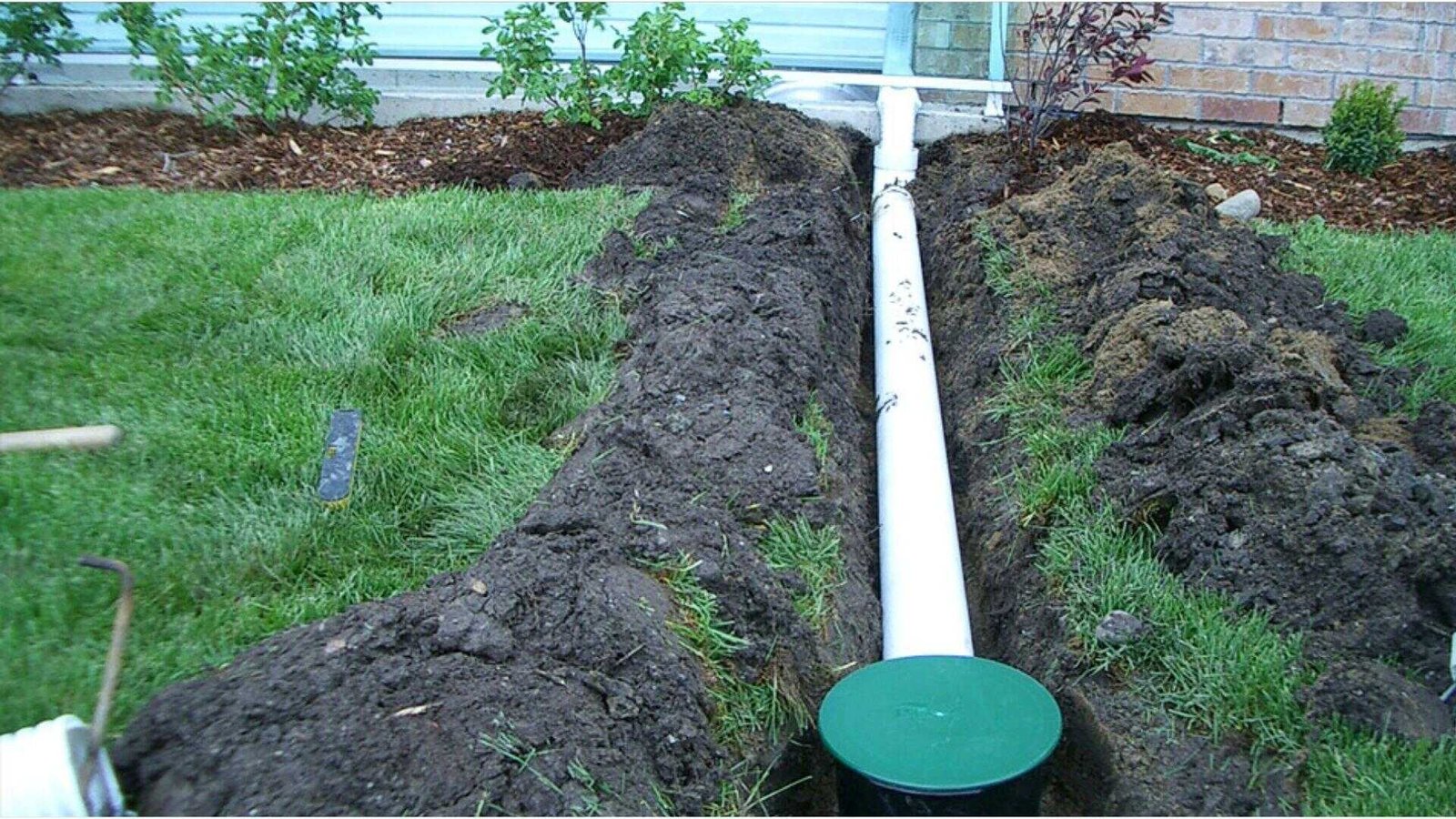
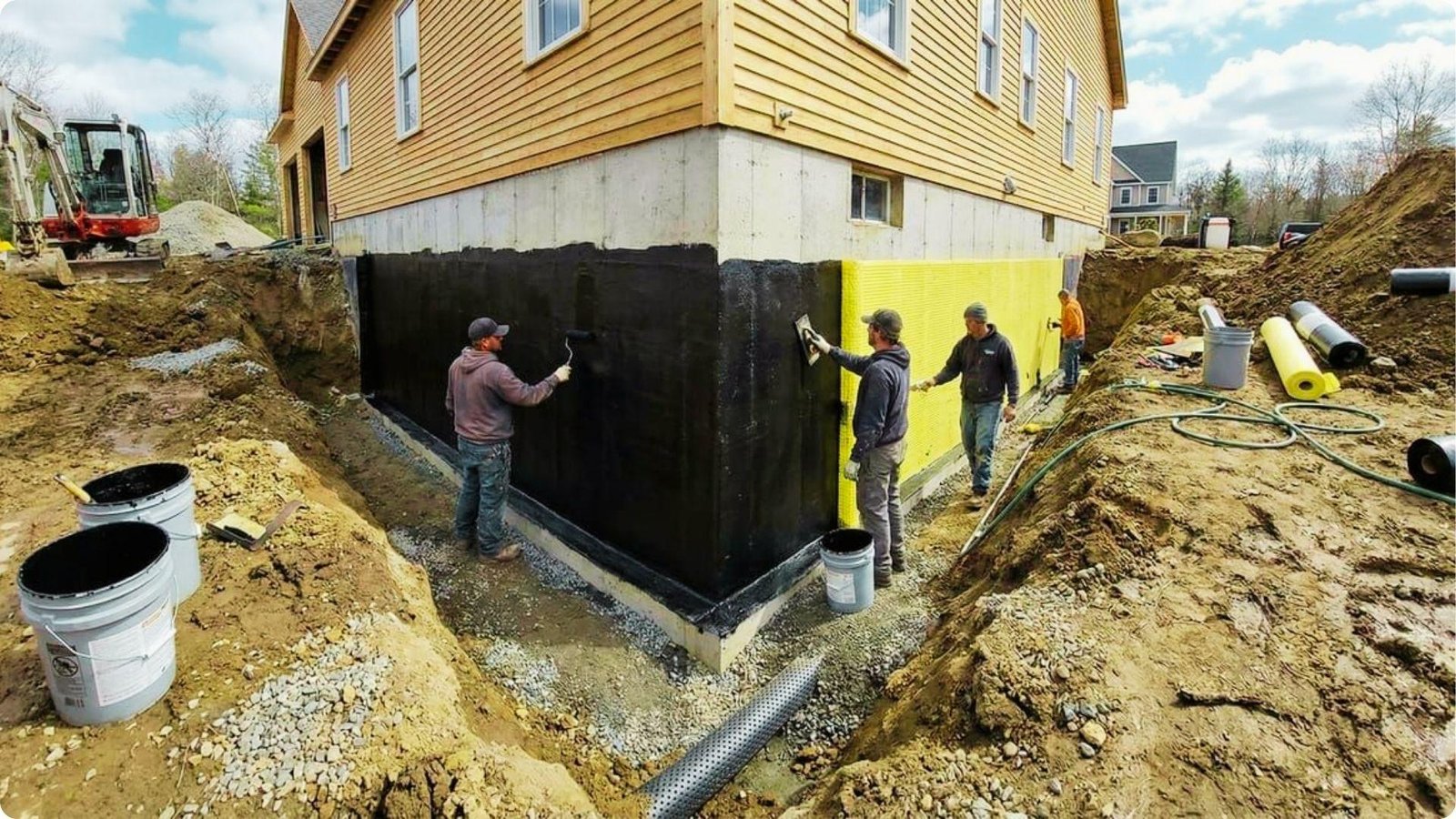
An exterior system is placed around the outside of your foundation footing. It intercepts groundwater before it ever reaches your home's walls.
This is the more preventative of the two options. However, it requires full excavation around the foundation, which is costly and disruptive.
It works well during new construction or major renovation projects when the ground is already open.
Decision Factors Before Installing a French Drain Basement System: Real Homeowner

Not everyone needs a full drainage system right away. Before you commit, think about how often water appears and whether the problem is getting worse over time.
If you had one small wet spot two years ago and nothing since, you may have time.
But if water shows up after every rain or the staining on your walls keeps spreading, that's a sign the problem is growing.
Consider the cost not as an expense, but as protection for the value of your home.
Homeowners with finished basements or recurring failed repairs are usually the ones who benefit most from making this decision sooner rather than later.
When a French Drain Basement System May Not Be Enough
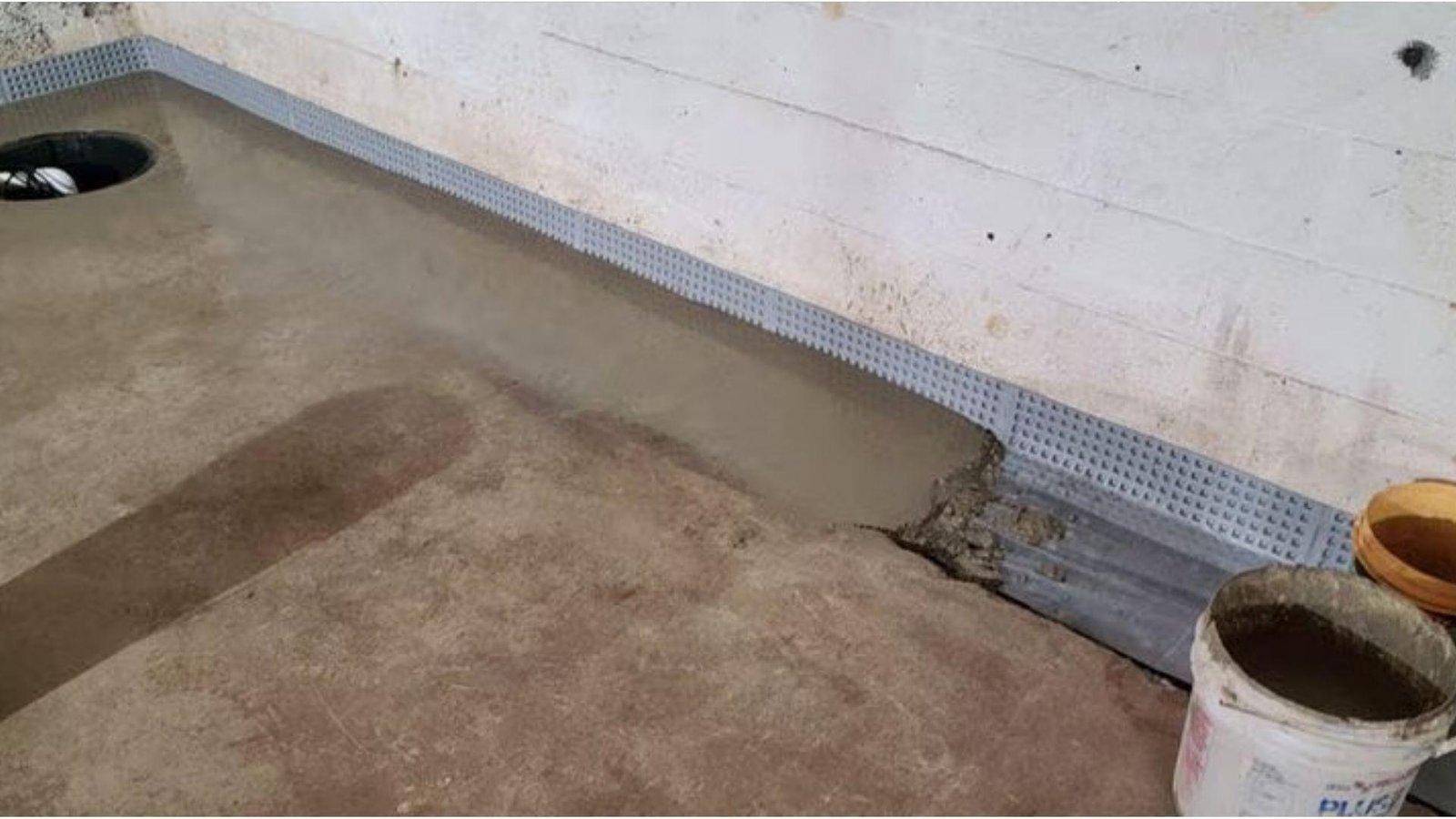
A french drain basement system handles groundwater, but it is not a fix for every moisture problem.
If your gutters are clogged or your yard slopes toward your foundation, water will keep rushing in faster than any drain can manage.
Poor exterior grading is a root cause that drainage alone cannot fully address. Some basements deal only with condensation, which is humidity in the air, not actual water coming through the floor or walls.
In that case, a dehumidifier may be all you need. For serious cases, a combined approach of drainage, exterior grading fixes, and gutter correction gives the best long-term result.
Mistakes Homeowners Make Before Installing
A few common decisions end up making the problem worse. Watch out for these.
- Ignoring the root cause instead of finding where water actually enters
- Relying on waterproof paint or sealants that do nothing against hydrostatic pressure
- Waiting too long until mold, structural damage, and repair costs pile up
- Choosing the lowest bid without checking the contractor's actual experience
- Forgetting to check the sump pump and discharge line before installation
Getting these basics right saves you time, money, and a lot of stress.
Conclusion
I've chased water in a basement with patch after patch that never held. It wears you down fast. What finally helped me was understanding the actual cause, not just the symptom.
A french drain basement system is not a miracle fix, but it is the right fix for most water intrusion problems.
If your basement keeps getting wet after rain, stop waiting. Get a proper inspection and move forward with a plan that works.
Drop a comment below or share this with someone dealing with the same problem.
Frequently Asked Questions
How deep is a french drain installed in a basement?
An interior french drain is typically installed 4 to 6 inches below the basement floor slab, along the perimeter of the foundation.
How long does a french drain basement system last?
A properly installed system with a quality sump pump can last 20 to 30 years with basic maintenance.
Does a french drain basement system stop mold?
It reduces moisture significantly, which lowers mold risk, but existing mold should be treated separately before or during installation.
Can I install a french drain in a finished basement?
Yes, but the flooring and walls along the perimeter will need to be removed temporarily during installation and restored afterward.
How much does a french drain basement system cost on average?
Costs vary by home size and region, but most interior installations fall between $3,000 and $10,000 depending on the scope of work.