Water sneaking in through your basement wall-floor joint is more common than most homeowners expect.
That small gap at the base of your basement wall is one of the most overlooked spots in any home.
I have helped fix this exact problem many times, and the good news is that it is very manageable.
In this article, you will learn what causes leaks at this joint, how to spot the warning signs early, and which sealing methods actually work.
We will also cover the right materials, a clear step-by-step guide, and expert tips to help you get it done correctly the first time.
What Is the Basement Wall-Floor (Cove) Joint?
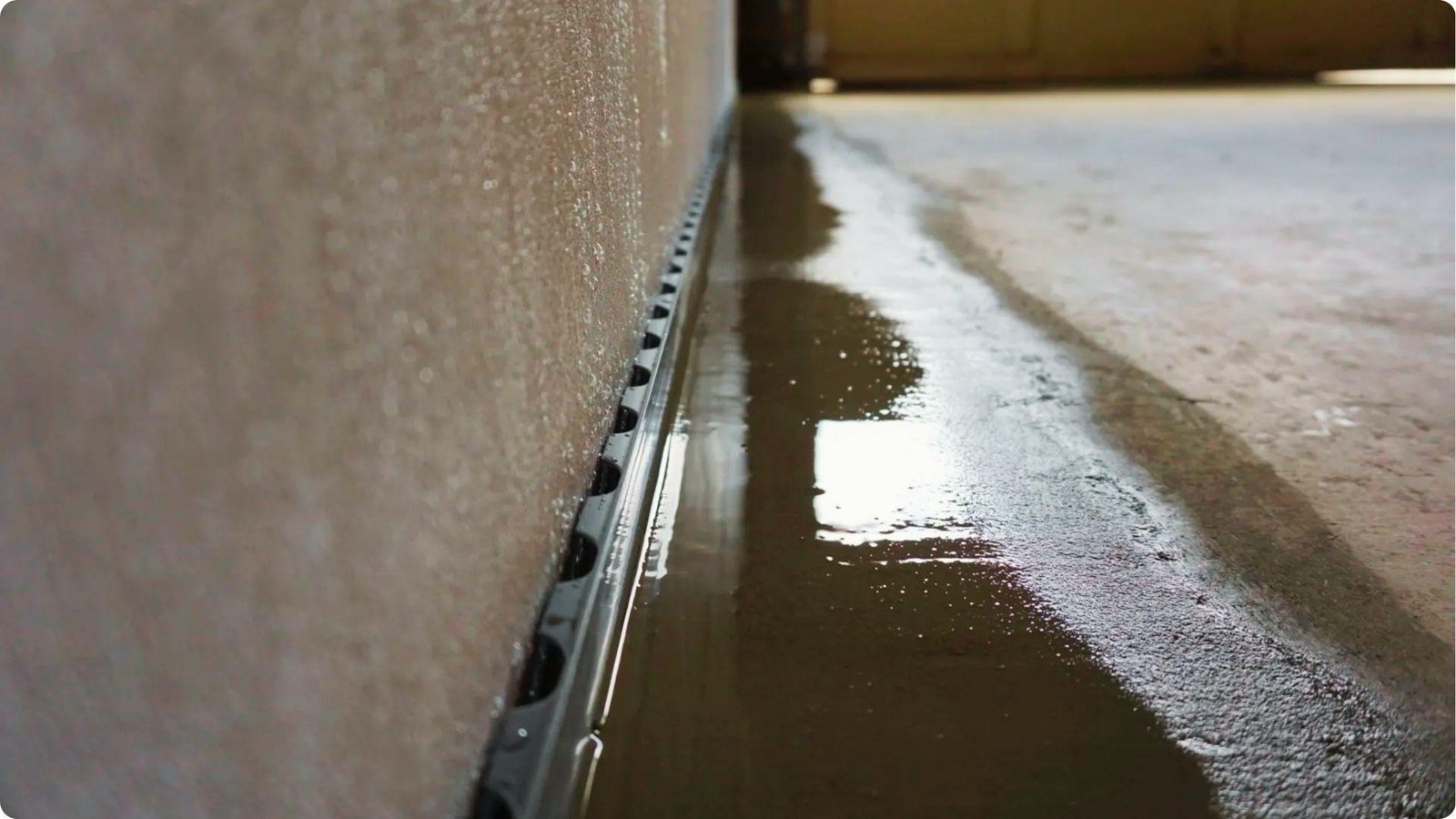
Understanding this joint is the first step toward fixing it for good.
The basement wall-floor joint, also called the cove joint, is the seam where your basement wall meets the concrete floor slab.
During construction, the wall and floor are poured at separate times, which leaves a cold joint between them.
This seam is not fully bonded, so a small gap naturally exists at the base of every basement wall.
Over time, soil movement, settling, and water pressure can widen this gap. It becomes a direct entry point for groundwater.
Because this joint sits at the lowest part of the foundation, water pressure from surrounding soil hits it the hardest, making it one of the most vulnerable spots in any basement.
Causes of Water Leakage at Basement Wall Floor Joint

Knowing what causes the leak helps you choose the right fix and avoid wasting money on the wrong solution.
Hydrostatic Pressure and Groundwater Build-Up
When water saturates the soil around your foundation, it builds pressure and pushes hard against the cove joint.
Homes with clay-heavy soil face this more often because clay holds water for days after rain stops.
Foundation Settling and Cracks
All foundations shift slightly over time, and even small movement can widen the cove joint.
Older homes are especially prone to settling cracks that run right along the base of the wall.
Poor Drainage Around the Home
If the ground around your home slopes toward the foundation, water collects near the base and stays there. Gutters that drop water too close to the house make this worse.
Heavy Rainfall and Seasonal Water Table Rise
Heavy rain and spring snowmelt cause the water table to rise quickly, pushing pressure up through the floor.
If your basement only leaks after big storms or in spring, this is likely the cause.
Signs You Need to Seal Basement Wall Floor Joint
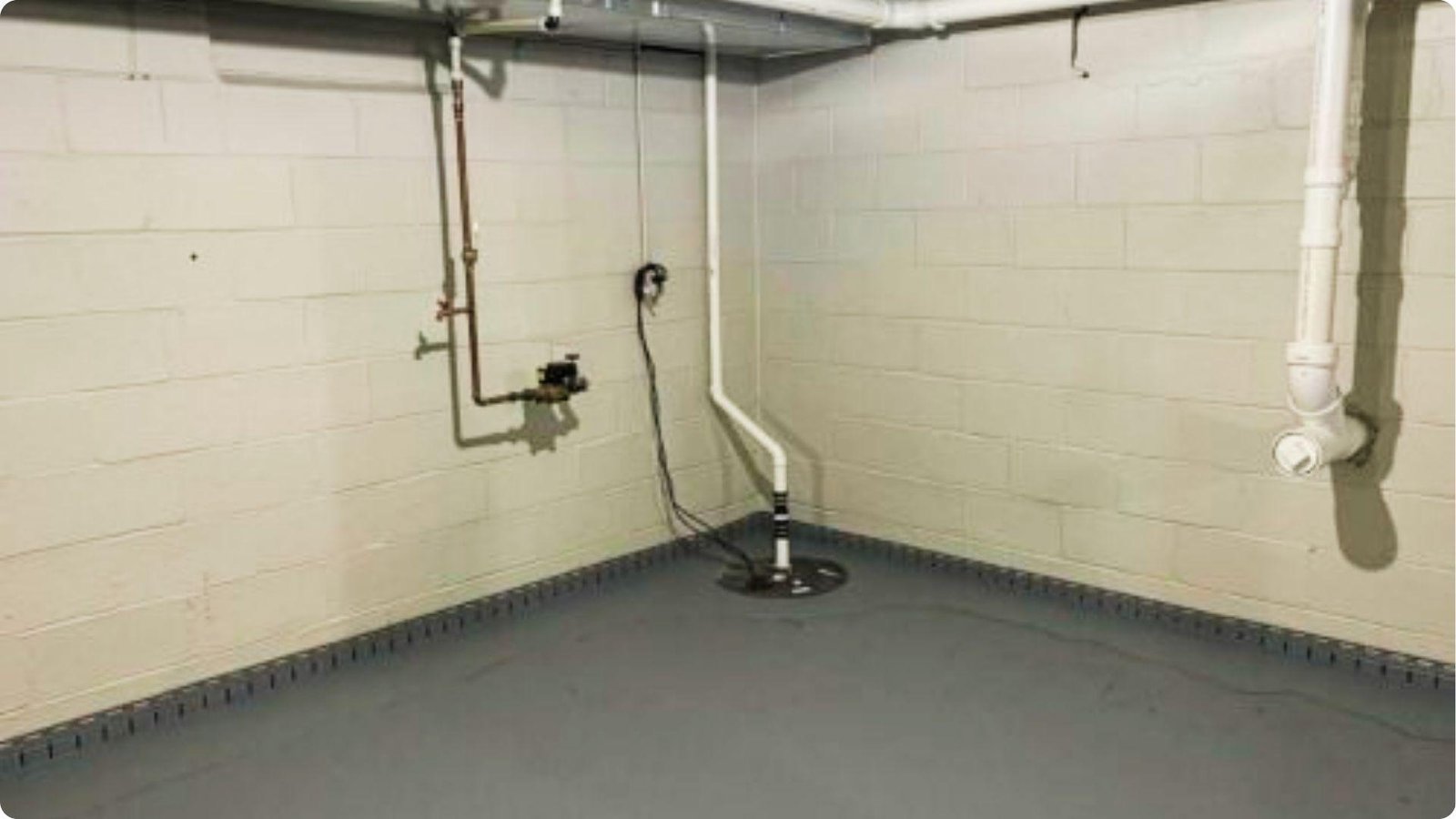
Catching the problem early saves you from bigger repairs and higher costs down the road.
Damp Spots and Water Seepage
Small puddles, wet streaks, or a wall section that always looks darker are the first things to watch for. If the same spot keeps getting wet after rain, the cove joint needs attention.
Efflorescence (White Mineral Deposits)
That white, chalky powder along the base of your wall is a sign that water has been moving through the concrete.
It does not cause direct damage, but it confirms moisture has been getting in for some time.
Mold, Mildew, and Musty Odors
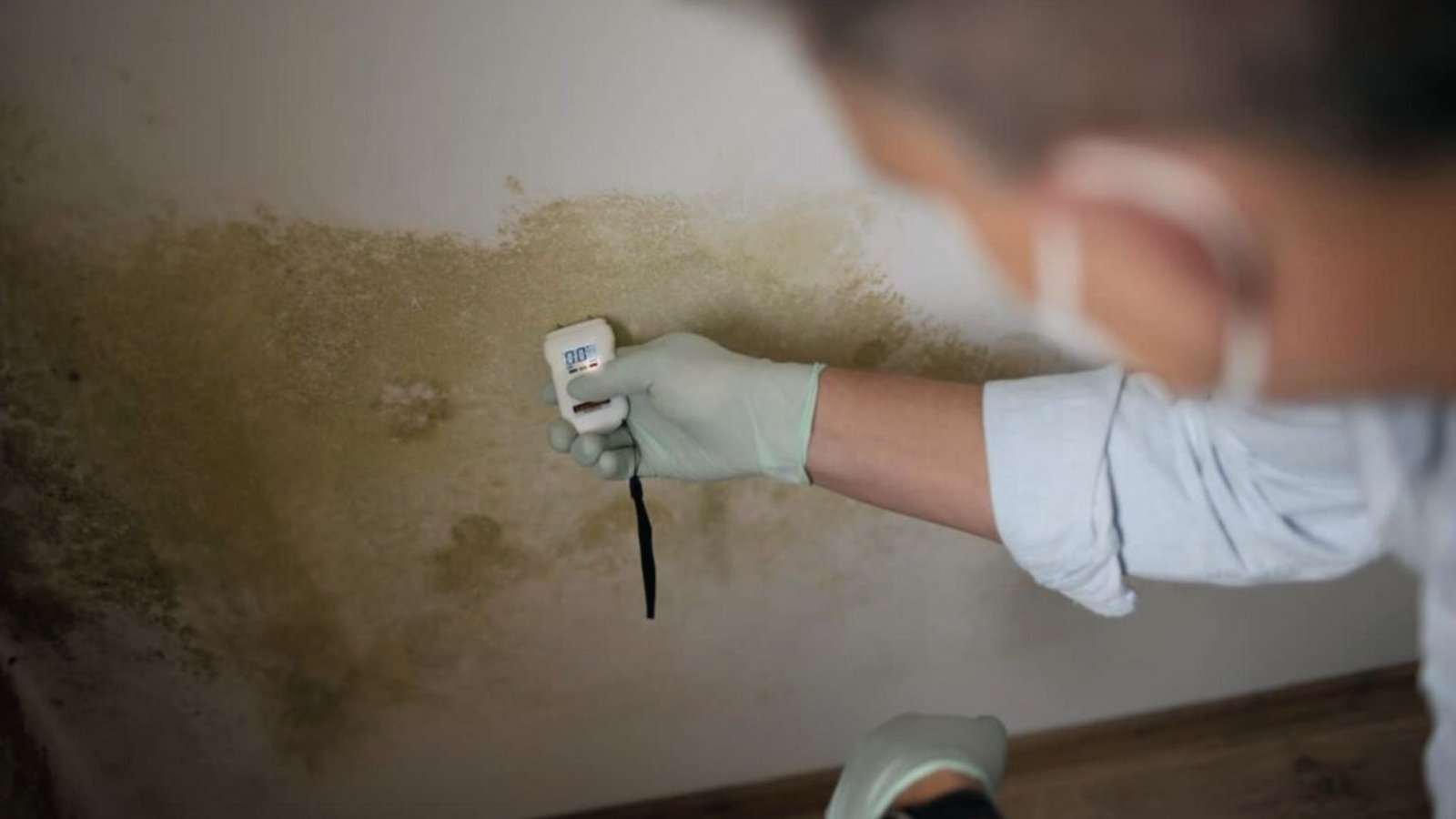
A musty smell or dark spots growing at the base of your walls means moisture has been sitting there long enough for mold to grow.
This is a health concern, not just a cosmetic one, so act on it quickly.
Wet Basement Floors After Rain
If your floor stays wet after rain but the walls look dry, water is likely entering through the cove joint and spreading across the floor.
Check the floor edges closest to the walls since those are the first areas to show moisture.
Best Methods for Sealing Basement Wall Floor Joint
There is no single fix that works for every situation, so knowing your options puts you in control.
Polyurethane Sealants for Concrete Joints
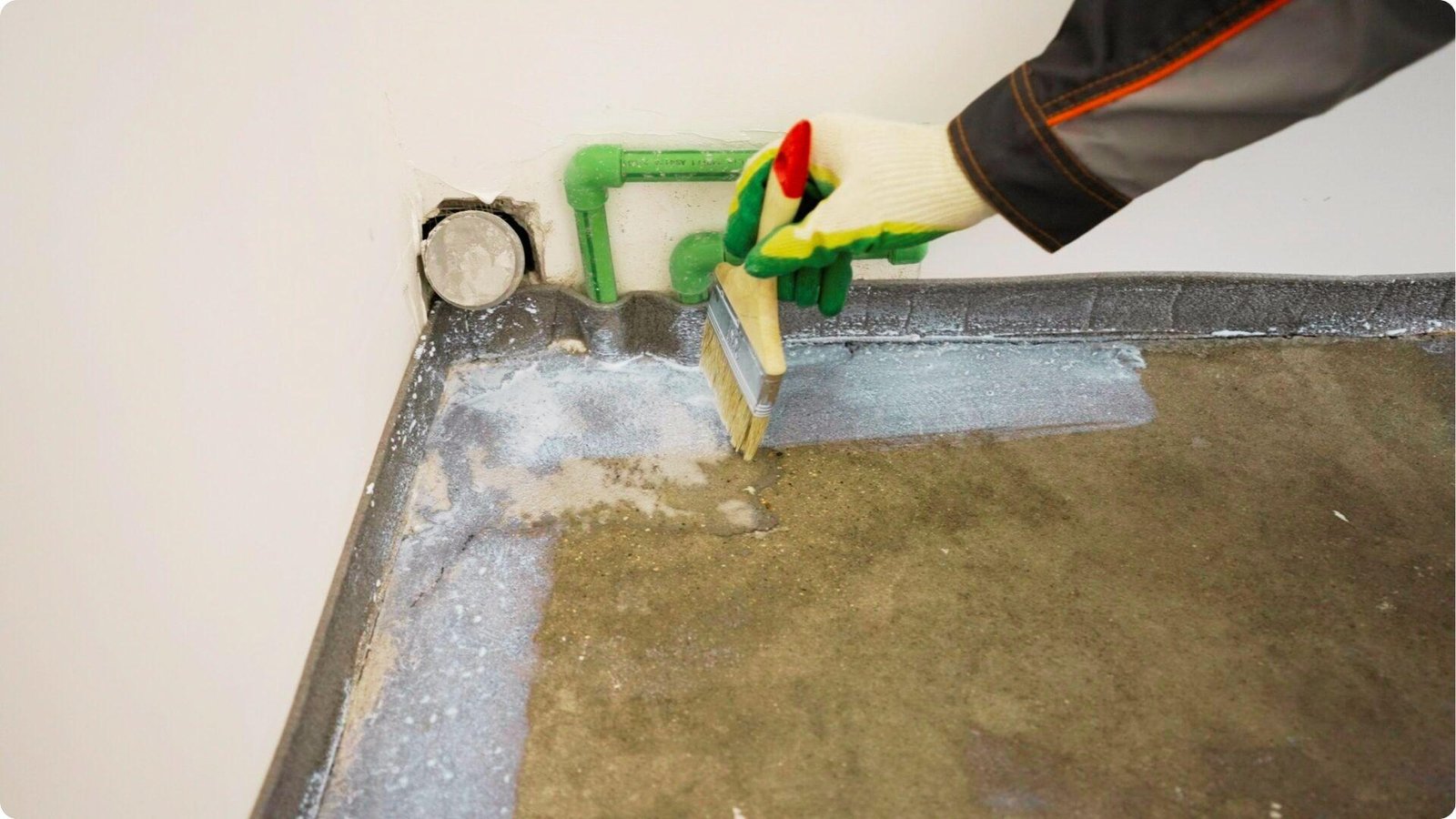
Polyurethane sealant bonds strongly to concrete, stays flexible, and holds up well under water pressure.
It works best when the joint is dry or only slightly damp and can last for years without cracking.
Hydraulic Cement for Active Water Leaks
Hydraulic cement stops water even when it is actively flowing in. You press it into the leak, it expands as it sets, and it works as a strong first step before applying a long-term sealant.
Epoxy Injection for Crack Repair Near the Joint
Epoxy is injected under low pressure into drilled ports along a crack, sealing it tightly once cured. It is best used for structural cracks near the joint that are the main entry point for water.
Interior Drain Tile System Installation
A drain tile system collects incoming water and sends it to a sump pump instead of letting it flood the floor.
It is a bigger repair but gives long-term relief when water pressure is too high for sealant alone.
Exterior Waterproofing Membrane Application
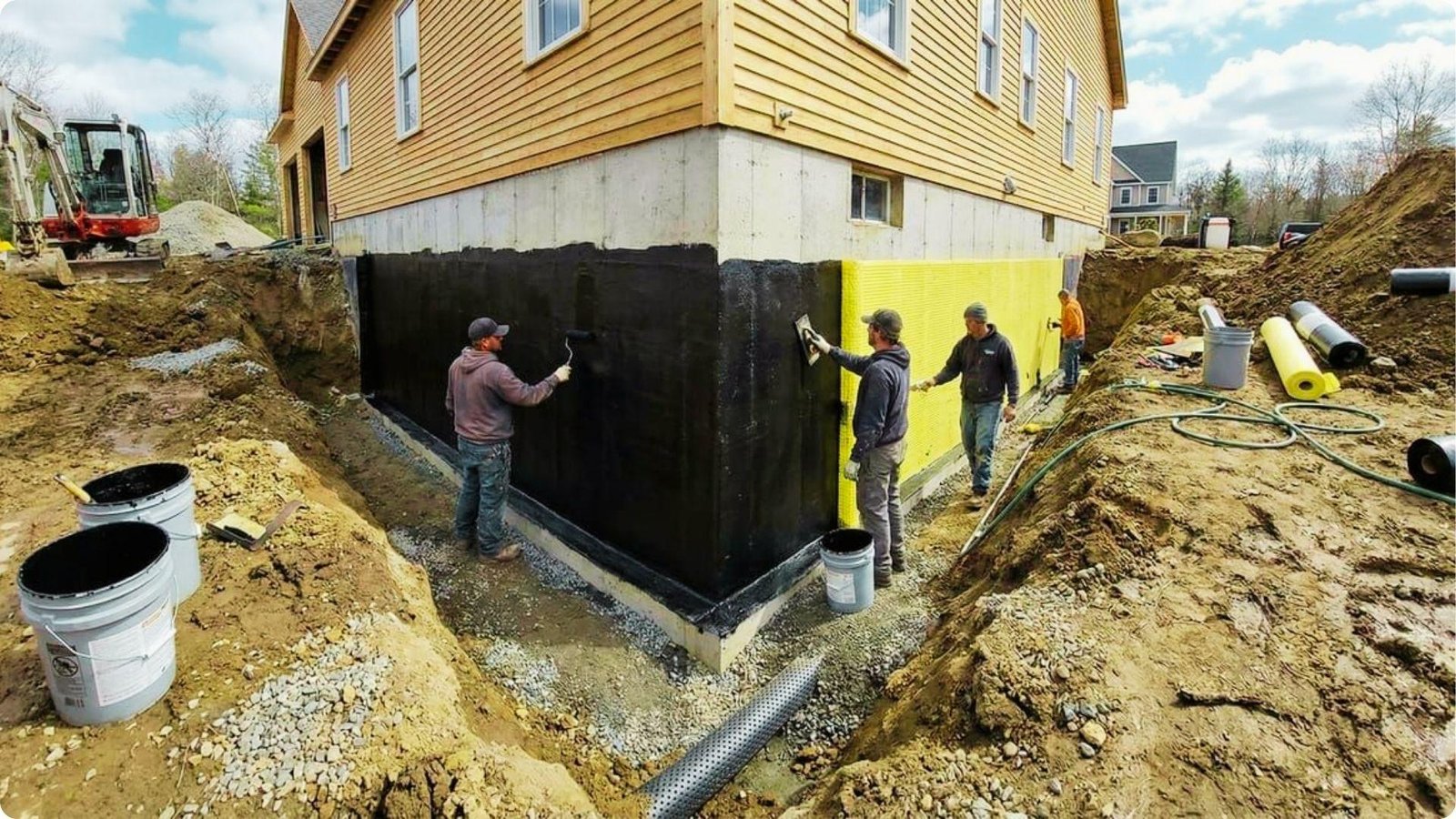
This method involves digging around the foundation and applying a waterproof membrane directly to the outside wall.
It is the most thorough fix available but also the most costly and labor-intensive.
Vapor Barriers and Drainage Panels
Thick plastic vapor barriers redirect moisture away from your living space and into a drainage system.
They are a solid secondary layer of protection, especially when used alongside a drain tile system.
Best Caulk and Sealant Materials for Basement Wall Floor Joint
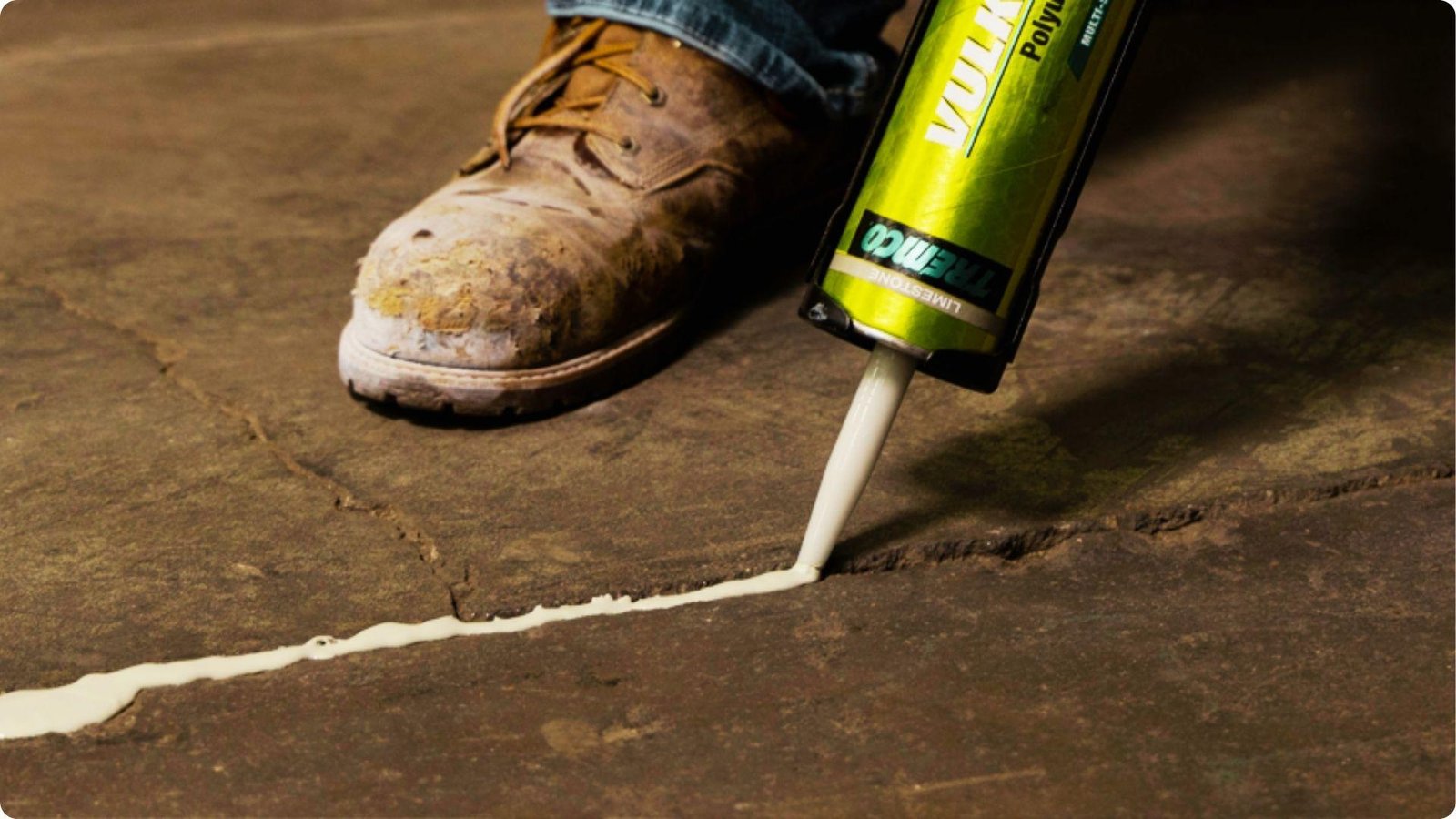
Choosing the right material makes a real difference in how long your repair holds up.
Polyurethane Sealant (Most Durable Option)
Polyurethane bonds tightly to concrete, handles joint movement without cracking, and resists water, chemicals, and temperature shifts.
Most professional waterproofers prefer it for basement wall-floor joints.
Silicone Caulk (Flexible but Limited Use)
Silicone is flexible and water resistant but does not bond as well to rough or porous concrete surfaces.
It works better as a short-term fix or as a supplement to a stronger sealant in lower-moisture areas.
Latex-Based Waterproof Sealers (Temporary Fix)
Latex sealers are affordable and easy to apply but do not hold up under sustained water pressure. Use them for minor damp spots or as a protective coat after a more thorough repair.
Self-Leveling Concrete Sealants for Floor Joints
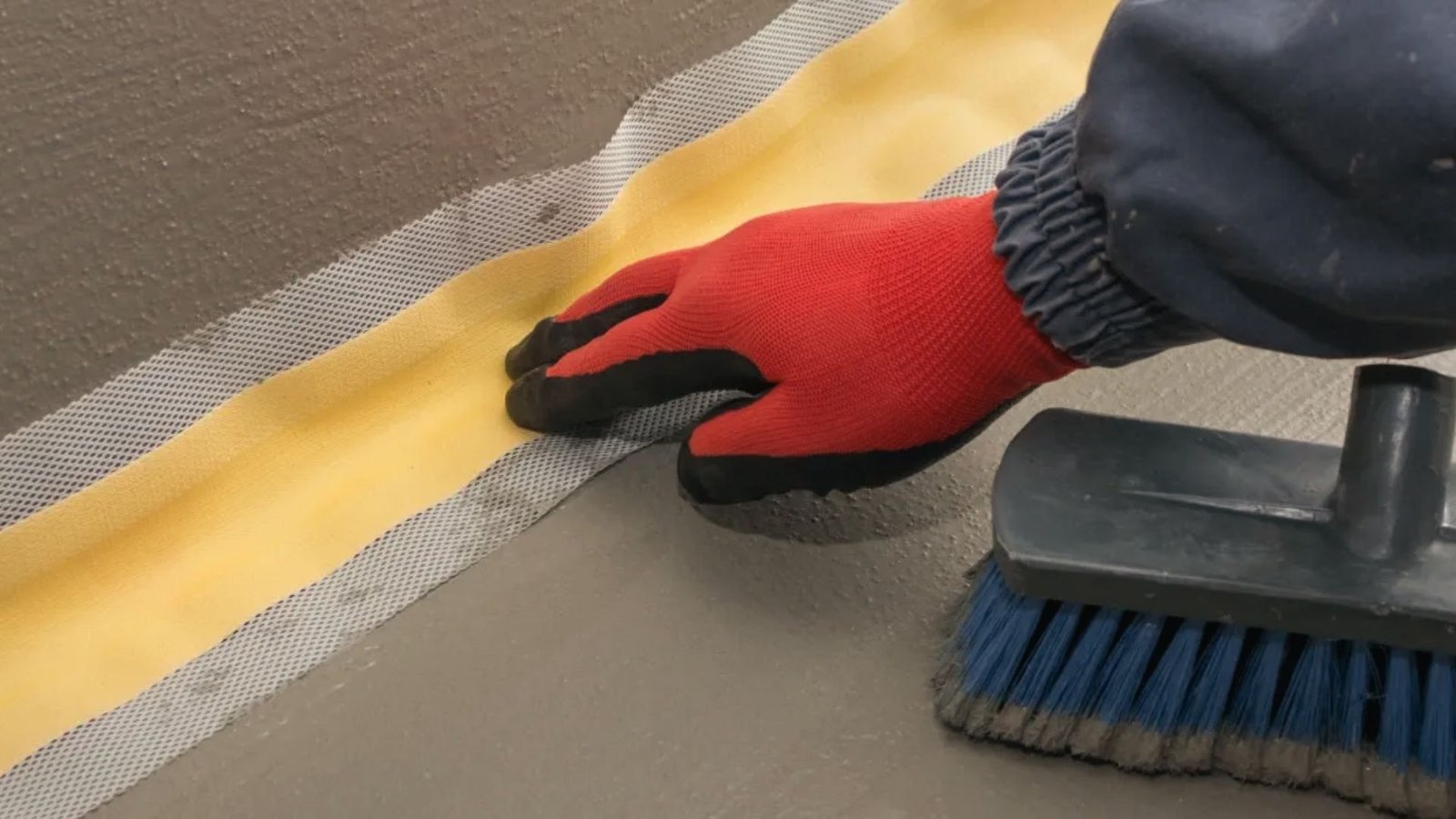
Self-leveling sealants pour into horizontal joints and spread on their own without much tooling.
They cure into a flexible, waterproof seal that holds up well along the floor edge of the cove joint.
How to Choose the Right Sealant for Your Basement
Start with hydraulic cement if water is actively coming in, then follow up with polyurethane once it is dry.
Factor in the age of your home, how often it leaks, and whether a past repair has already failed.
Expert Tips for Sealing Basement Wall Floor Joint
Skipping proper diagnosis before sealing is the most common and costly mistake homeowners make.
- Identify the water source before applying any sealant.
- Stop active leaks with hydraulic cement before sealing.
- Use polyurethane for durability, flexibility, and moisture resistance.
- Pair sealants with a drainage solution in high-pressure areas.
- Tape foil over damp spots to distinguish leaks from condensation.
Conclusion
Years ago, I stood in my own damp basement feeling completely lost staring at that wet line along the wall.
Once I understood how the cove joint works, everything clicked. Sealing the basement wall floor joint is manageable when you know what you are doing.
Clean the joint thoroughly, choose the right sealant, and never skip prep work. That is where most repairs fail.
If this guide helped you, share it with someone dealing with the same problem and drop a comment below.
Frequently Asked Questions
What is the best sealant for basement wall-floor joints?
Polyurethane is the top choice. It bonds strongly to concrete, stays flexible, and holds up well under water pressure.
Can I permanently fix a basement leak with caulk?
Caulk can last long but works best with proper prep and drainage. It is not reliable alone for severe or recurring leaks.
Why does water keep coming back after sealing?
The root cause was not addressed. Poor drainage, hydrostatic pressure, or foundation cracks will cause even good sealants to fail.
Is hydraulic cement better than polyurethane sealant?
They serve different purposes. Hydraulic cement stops active leaks fast, polyurethane provides long-term sealing once water flow is stopped.
Do I need waterproofing if I already sealed the joint?
Sealing is part of waterproofing, but serious water problems also require drainage systems, sump pumps, and exterior protection.