Most people pick a foundation type and hope for the best. I did that once. It cost me more than I expected, and I wished someone had just laid it out clearly before I started.
If you are trying to decide between poured basement walls and block walls, you are already asking the right question.
This blog covers everything you need:strength, cost, construction speed, water resistance, and long-term durability.
I have broken it all down in plain language so you do not have to dig through confusing contractor talk.
No guessing. No second-guessing.
By the end, you will know exactly which wall type fits your project, your budget, and your soil conditions.
What are Poured Concrete Walls?

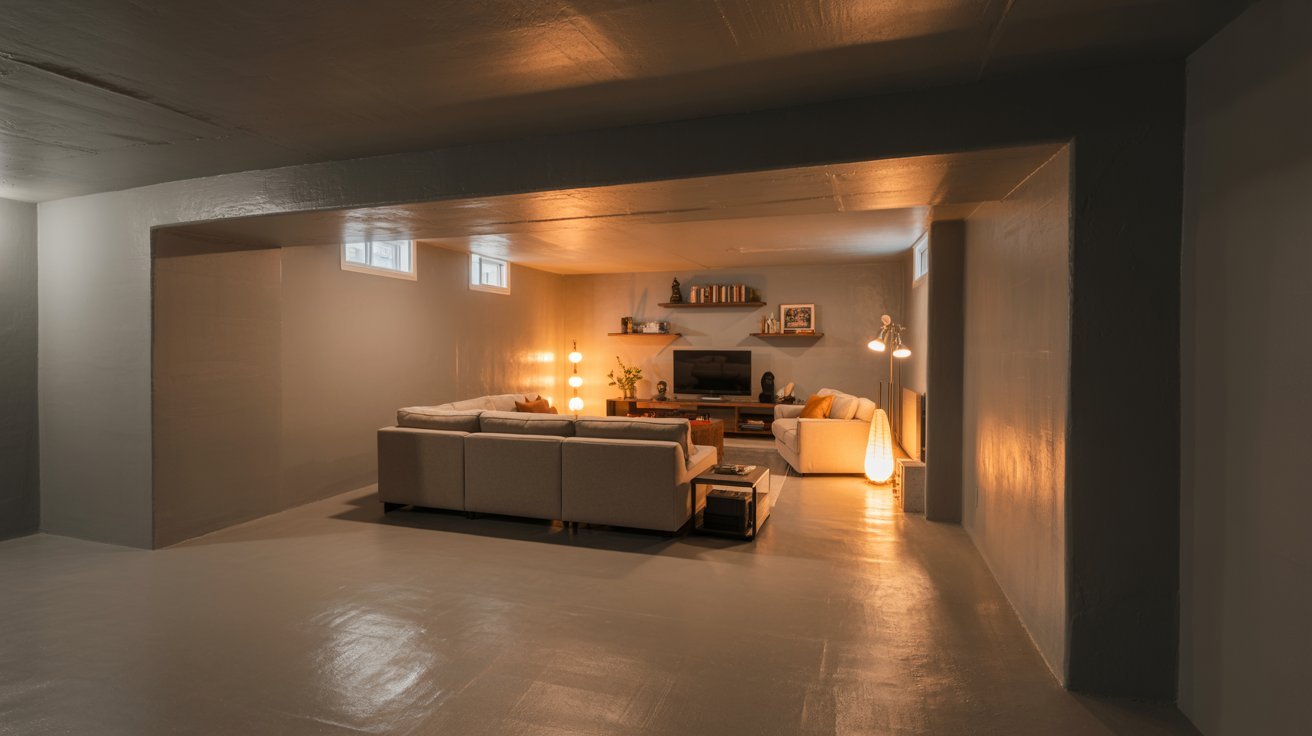
Poured concrete walls are built by pouring liquid concrete directly into temporary forms or molds.
Once the concrete sets, the forms come off and you are left with one solid, seamless wall. No joints. No seams. Just one continuous structure.
I have seen these walls hold up for decades with very little upkeep. They handle soil pressure well, resist water better than most options, and give your foundation a strong base to build on.
Strength of Poured Concrete Walls
Poured concrete walls form one solid piece. There are no joints, so there are no weak spots.
They hold up well against soil pushing from the outside. You get better resistance to cracking and bowing over time.
Water has fewer places to sneak in. If you want a foundation that stays strong for decades, this is the structure that delivers.
Cost of Poured Concrete Walls
Yes, the upfront cost is higher. You need formwork, skilled labor, and concrete pumping equipment.
But here is the thing, you spend less money over time. Repairs are rare. Maintenance stays low.
When I look at the full lifespan of a poured wall, the math works in its favor. You pay more now, but you save more later.
Construction Speed of Poured Concrete Walls
Poured walls go up fast for large foundations. The whole wall is one continuous pour.
That means no stopping to stack blocks or wait for mortar to dry. Once it cures, you move straight into framing.
The speed advantage is real, especially on bigger projects where every day on-site costs money.
What are Block Walls (CMU Walls)?
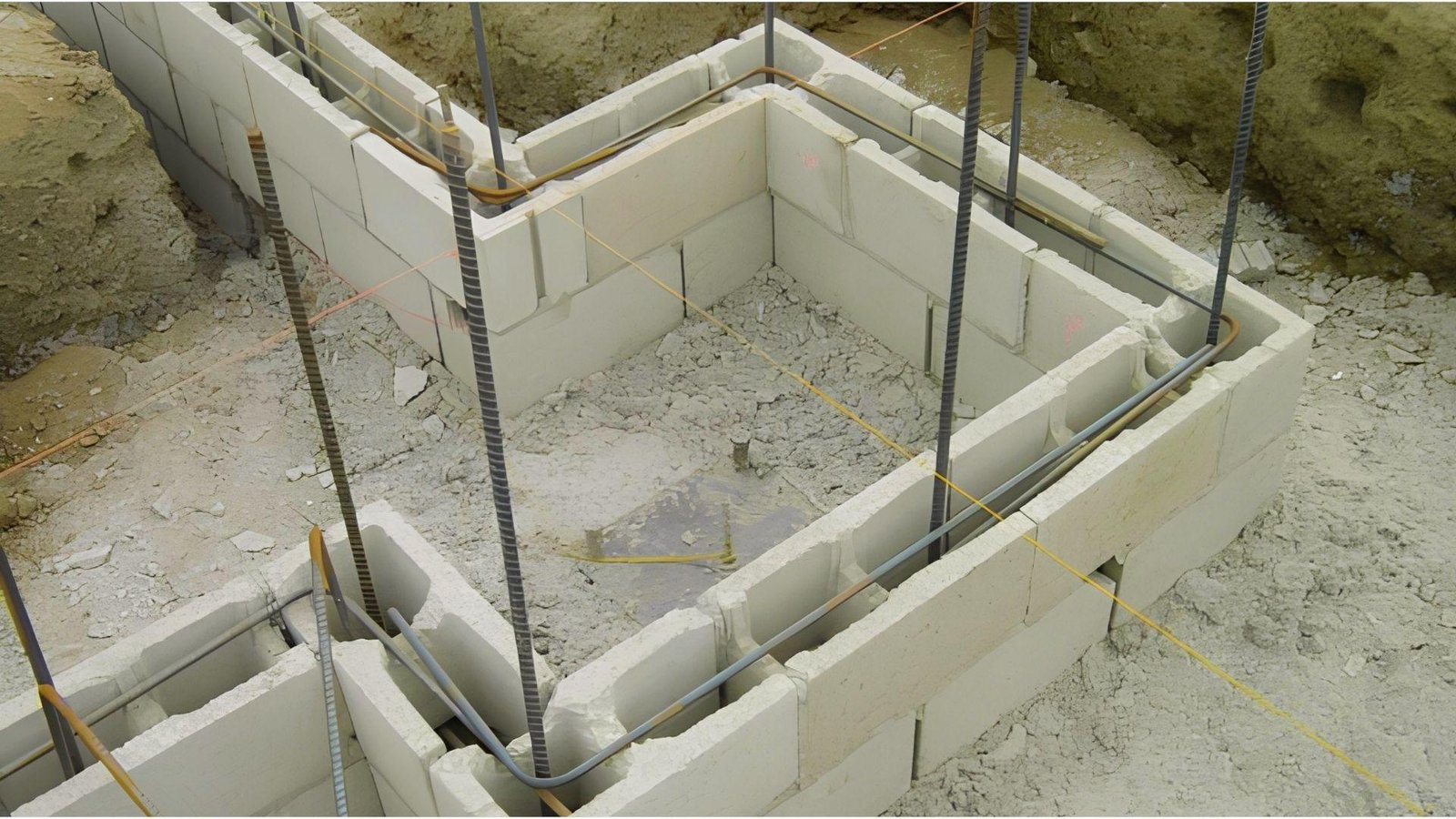
Block walls, also called CMU walls, are built by stacking concrete masonry units one by one with mortar holding each layer in place.
It is a method that has been around for a long time, and for good reason. The materials cost less upfront, and the build can be paused and picked back up in stages if needed.
But here is the part most people overlook. Those mortar joints between each block are where trouble usually starts. Cracks, leaks, and bowing tend to show up there first.
Strength of Block Walls
Block walls can handle heavy loads when they are properly reinforced with rebar and filled cells.
But the mortar joints between each block are the weak link. Under heavy soil pressure, those joints can crack or shift.
Over time, that adds up. Bowing and water leaks happen more often with block walls than with poured ones.
Cost of Block Walls
The materials cost less. That part is true. But installation takes more time because every block gets laid by hand with mortar.
Labor costs climb fast. And once cracks or leaks show up, repairs are not cheap.
The savings you see upfront can disappear quickly once maintenance bills start coming in over five to ten years.
Construction Speed of Block Walls
Block walls take longer to build. Each block goes down one at a time, and mortar has to cure before the next stage begins.
Weather delays are common and can set your timeline back fast.
The one upside is flexibility. You can stop mid-project and return later. But if time is money on your build, this slowdown matters.
Poured Concrete Walls vs Block Walls: Quick Comparison
Here is a side-by-side look at how both options stack up across the factors that matter most.
| Factor | Poured Concrete Walls | Block Walls (CMU) |
| Strength | Very high, no joints, resists soil pressure well | Good strength but weaker at mortar joints |
| Upfront Cost | Higher initial cost | Lower upfront cost |
| Long-Term Cost | Lower repair and maintenance costs | Higher maintenance over time |
| Construction Speed | Faster for large foundations, single pour | Slower, block-by-block process |
| Water Resistance | Excellent, seamless structure | More leak-prone due to joints |
| Durability | Long-lasting with fewer issues | Moderate durability, more wear over time |
Both have a place in construction, but they serve different needs and budgets.
Which Is Better for Your Project?

Choosing between these two comes down to your budget, timeline, and long-term goals.
I will be honest, if you can stretch your budget, poured basement walls win on almost every measure.
They are stronger, faster to build, and cheaper to maintain. But if your upfront budget is tight and your project allows for a slower build, block walls can still do the job.
Soil conditions matter too. Loose or wet soil puts more pressure on walls, and that is where poured concrete pulls way ahead. Think long-term before you decide.
Conclusion
I know how overwhelming this choice can feel. I have been there, standing on a job site, unsure which foundation would hold up for the long haul.
After looking at both closely, poured basement walls are my go-to for strength and durability.
Block walls work for tighter budgets. But knowing the difference can save you real money and real headaches down the road.
Which option are you leaning toward? Drop a comment below and share your thoughts. I would love to hear what you are working on.
Frequently Asked Questions
Are poured concrete walls stronger than block walls?
Yes, poured concrete walls have no joints, making them more resistant to cracking, bowing, and soil pressure.
Do poured basement walls cost more than block walls?
Poured walls cost more upfront but save money over time through lower maintenance and fewer repairs.
Which wall type is better for wet or high-moisture areas?
Poured concrete walls are better because their seamless structure leaves no gaps for water to seep through.
How long do poured basement walls last?
With proper waterproofing and drainage, poured concrete basement walls can last 50 to 100 years or more.
Can block walls be reinforced to match poured wall strength?
Reinforced block walls improve strength, but they still have mortar joints that make them more vulnerable than poured concrete walls.