Cold floors every winter? Heating bills climbing with no clear explanation? You could be losing heat straight through your basement ceiling.
This guide covers everything you need to know about basement ceiling insulation, whether it's worth the cost, how it works, and what it actually takes to do it right.
Every home is different, and the right answer depends on factors matching to your situation. We'll walk through costs, benefits, soundproofing options, and the key things to consider before you start.
By the end, you'll have a clear, confident answer and a solid plan for making your home warmer and more energy-efficient.
What Does It Mean to Insulate Basement Ceiling Areas?
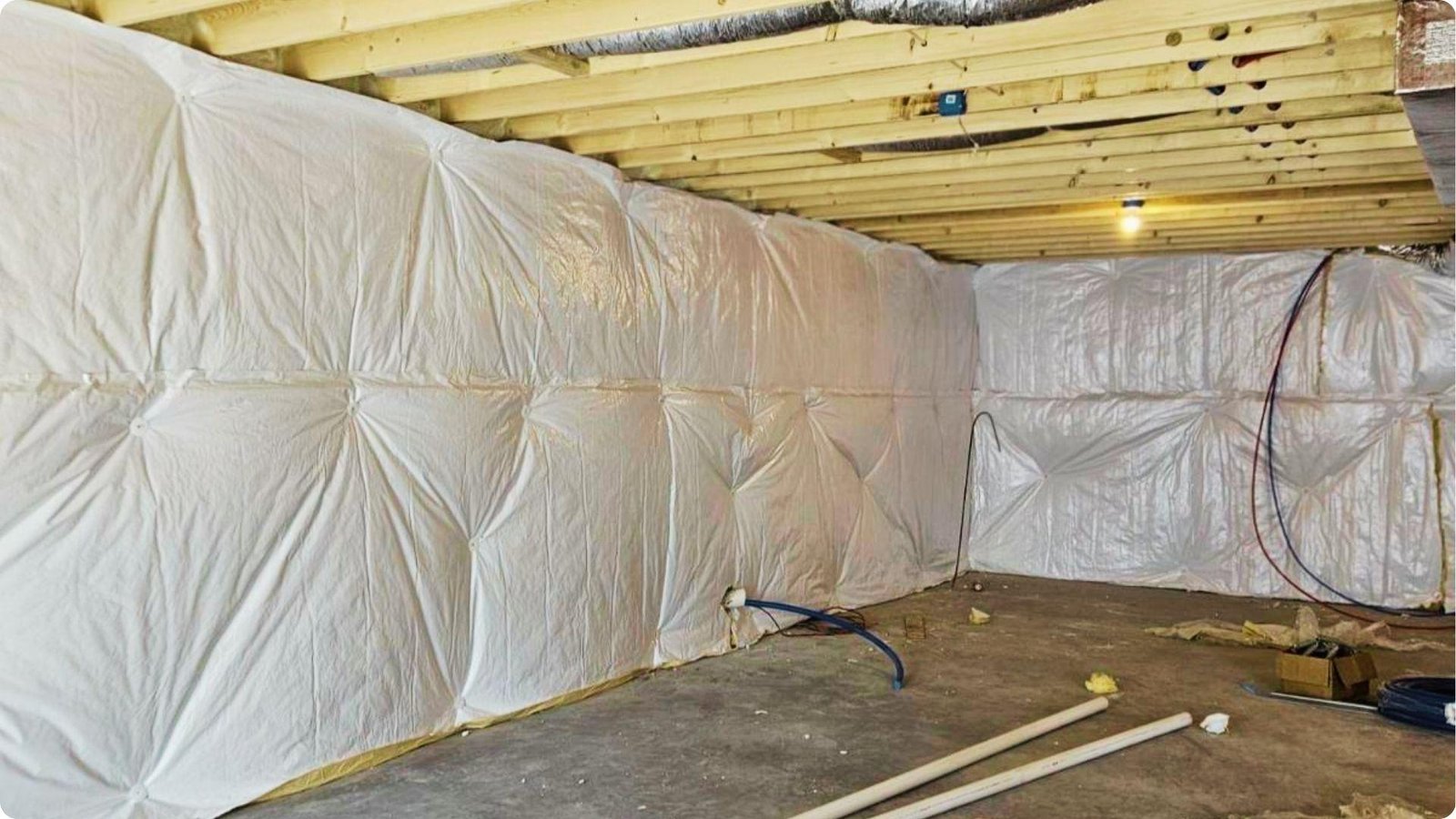
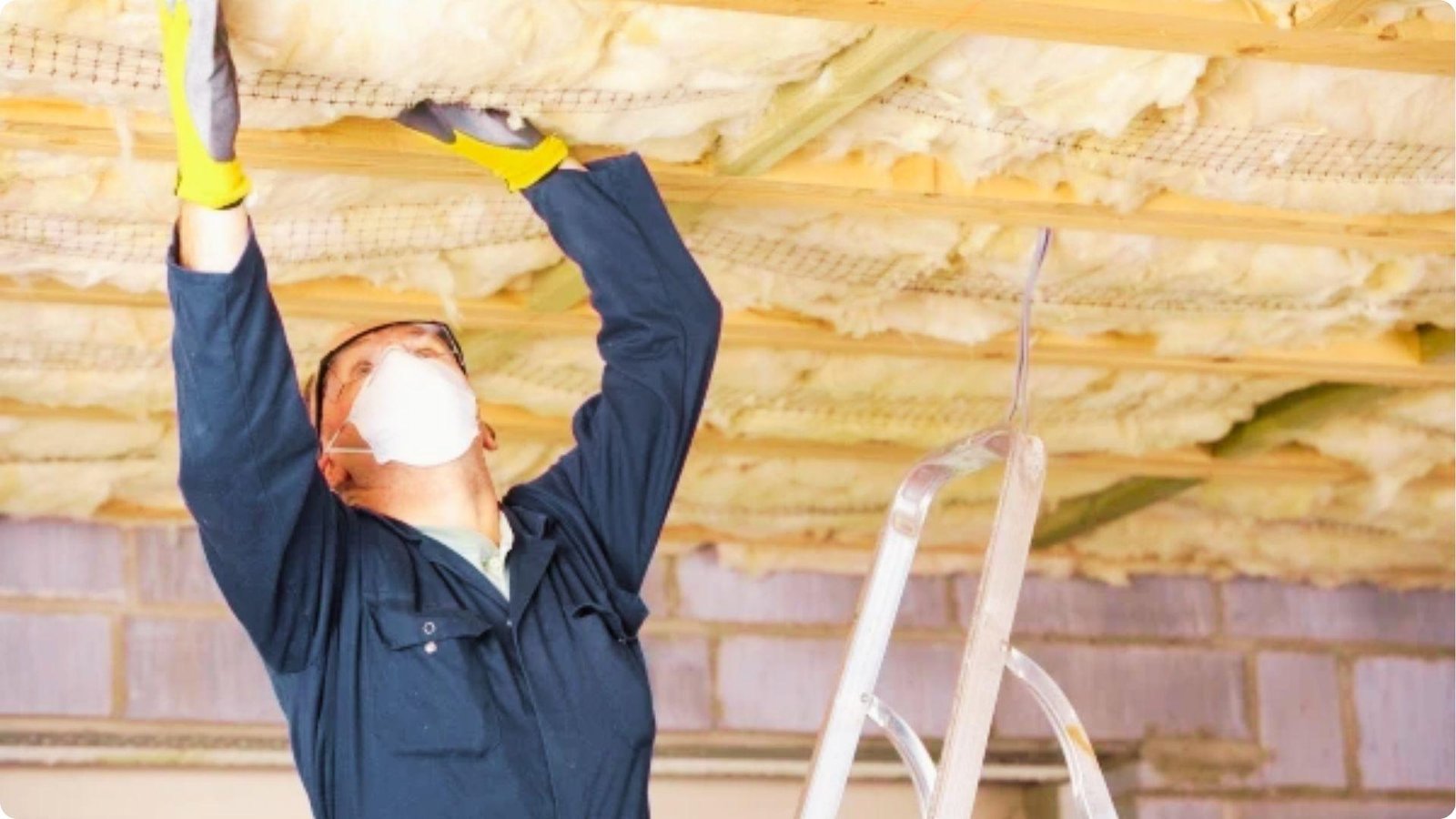
Insulating a basement ceiling means placing insulation material between the floor joists that separate your basement from the living space above.
The goal is to create a thermal barrier that slows heat from escaping the upper floors into the cold basement below.
Most homeowners use fiberglass batts or mineral wool, which fit snugly between the joists without requiring major structural changes.
It is not the same as insulating the basement walls, which focuses on keeping the basement itself warm. Ceiling insulation is mainly about protecting the comfort and energy efficiency of the living space directly above it.
Should You Insulate Basement Ceiling Spaces?
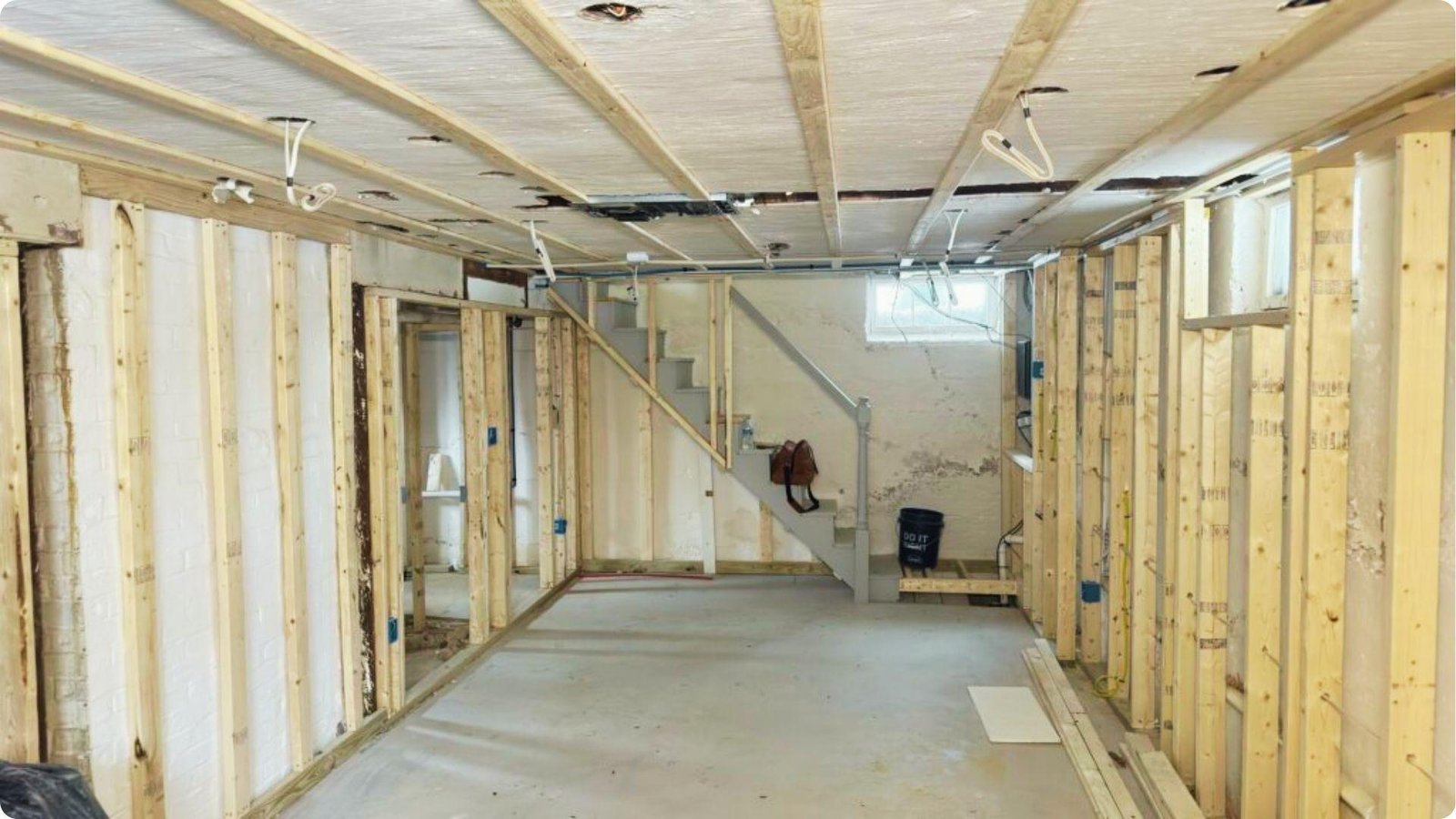
This section helps you figure out if your home actually needs basement ceiling insulation or if you can skip it for now.
Situations Where Basement Ceiling Insulation Is Worth It
Cold floors and high heating bills in winter are clear signs you need ceiling insulation. It also helps reduce noise between floors, making a real difference in day-to-day comfort.
When Insulating the Ceiling May Not Be Necessary
If your basement is already heated or you live in a mild climate, ceiling insulation adds very little value. Homes planning a basement renovation soon may be better off waiting and handling it during that project.
Finished vs Unfinished Basement Considerations
An unfinished basement makes installation straightforward since the joists are fully exposed. A finished basement requires removing drywall, which adds significant cost and time to the process.
Do You Need to Insulate Basement Ceiling in Colder Climates?
In cold climates, insulating the basement ceiling is almost always a smart move. Some regions even include it in building codes, so check local rules before starting any work.
Reasons Some Experts Do Not Recommend Basement Ceiling Insulation
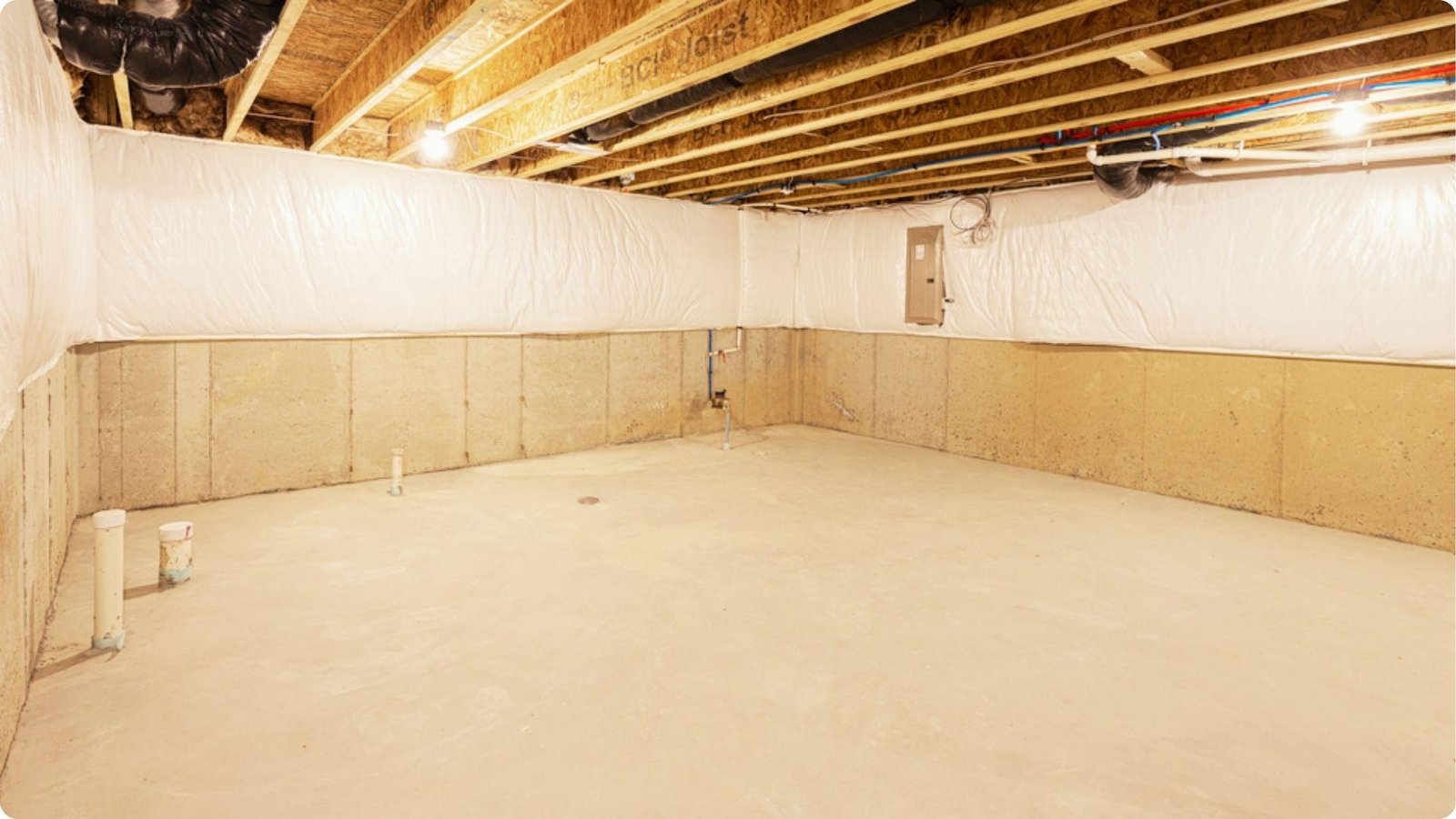
Not everyone agrees this is the right move, and here is why some professionals suggest looking at other options first.
Why Energy Savings Can Sometimes Be Limited
In heated basements or warmer climates, ceiling insulation delivers smaller energy gains than most homeowners expect.
Air sealing around gaps and penetrations can sometimes offer a better return on investment first.
How Insulation May Make Basements Colder
Ceiling insulation cuts off the passive heat that was quietly drifting down from the living space above.
This can leave the basement noticeably colder, so pipes and mechanical systems may need extra protection afterward.
Moisture and Airflow Concerns
Adding insulation to a basement with existing humidity problems can create conditions where mold develops behind it.
Always fix moisture issues and install a vapor barrier before any insulation goes in.
Cases Where Basement Wall Insulation Works Better
If you plan to use the basement as a living or working space, wall insulation keeps the whole area comfortable rather than just protecting the floor above.
In cold climates, building codes for finished basements often favor wall insulation over ceiling insulation.
Cost to Insulate Basement Ceiling
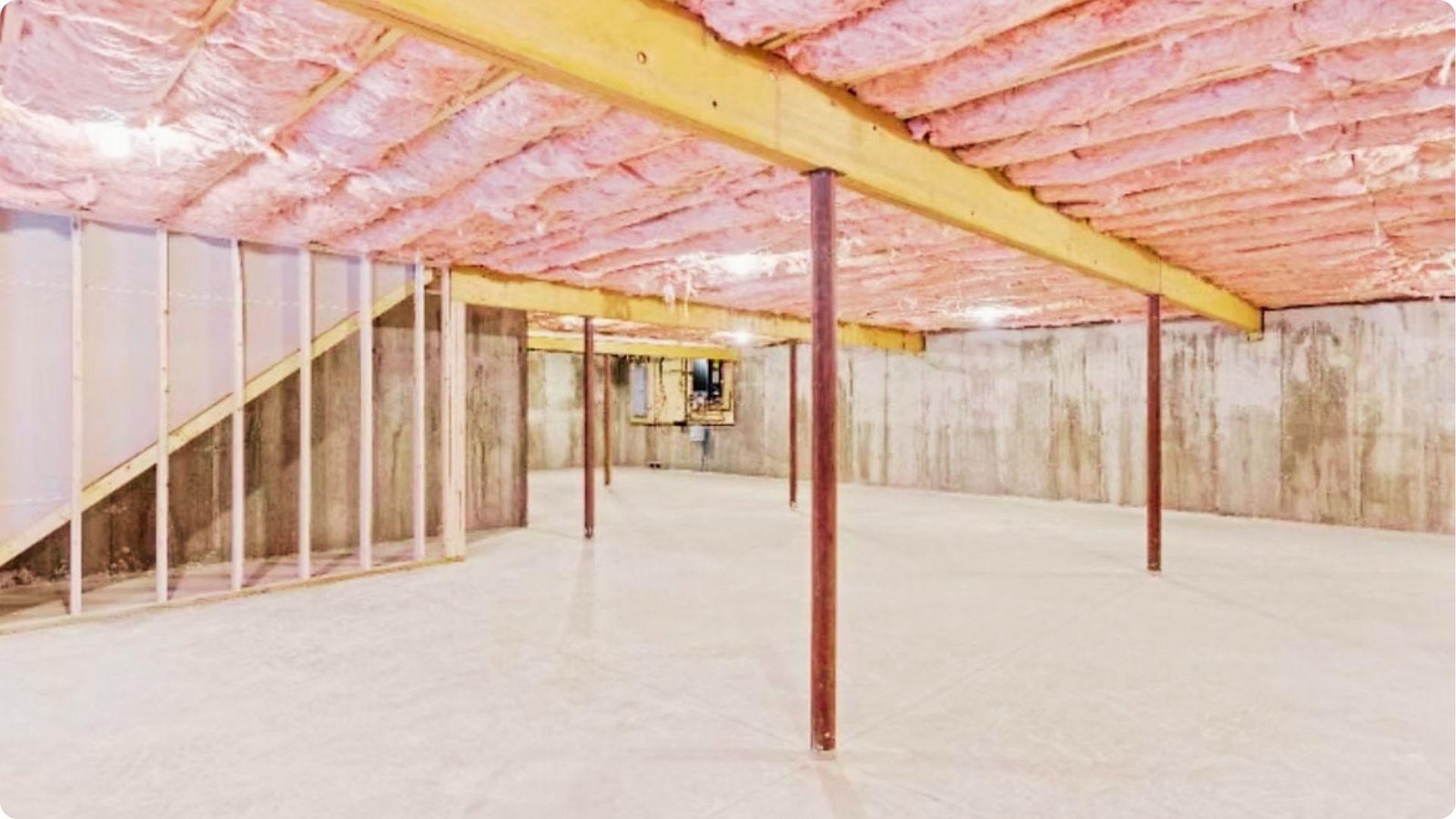
See what you should expect to spend before starting your basement ceiling insulation project.
Average Material and Labor Costs
Most average-sized homes fall between $1,000 and $3,000 for a full basement ceiling insulation project.
Labor typically runs $1.50 to $3.00 per square foot depending on region and job complexity.
Factors That Affect Insulation Pricing
Basement size, insulation type, and the condition of the existing space all influence the final cost. Spray foam costs significantly more per square foot than standard fiberglass batts.
DIY vs Professional Installation Expenses
DIY installation with fiberglass batts costs roughly $0.50 to $1.50 per square foot in materials, saving considerably on labor.
Proper safety gear including gloves, a respirator, and eye protection is required when handling fiberglass or mineral wool.
Long-Term Savings Compared to Upfront Costs
If insulation saves $150 to $300 annually on heating, the project typically pays for itself within 5 to 10 years.
After that point, the savings continue every year with no additional investment needed.
Basement Ceiling Insulation vs Basement Wall Insulation
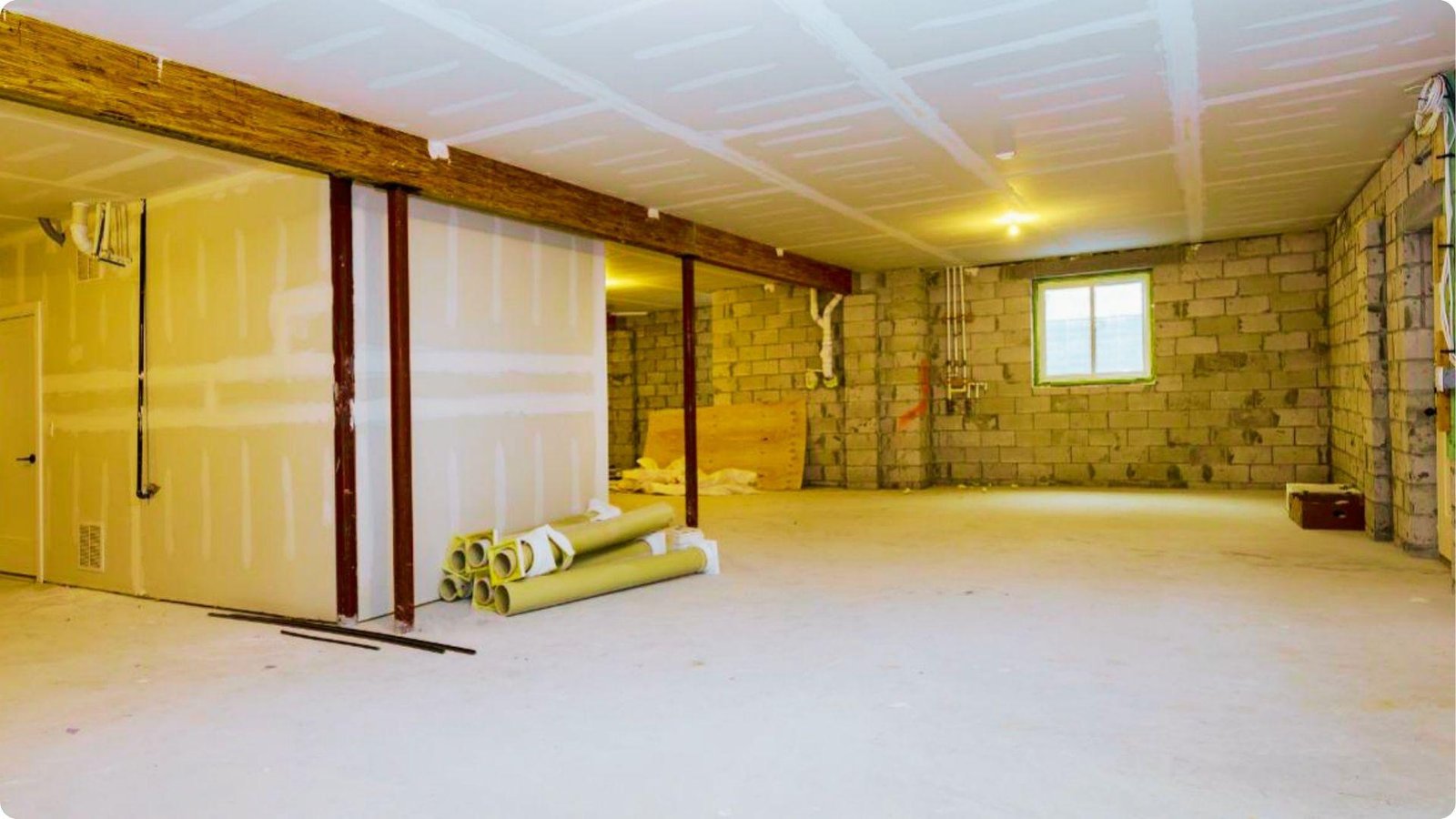
Both options serve a real purpose, so knowing which one fits your situation before committing saves time and money.
Which Option Improves Energy Efficiency More?
Ceiling insulation does more to protect the living space directly above, while wall insulation reduces heat loss from the entire basement area.
The better choice depends on whether your priority is the floor above or the basement itself.
Comparing Comfort and Soundproofing Benefits
Ceiling insulation is clearly better for reducing noise between floors since it sits right between the two levels.
Wall insulation focuses on keeping the basement warmer but does very little for sound traveling between floors.
Which Insulation Delivers Better Long-Term Value?
If a warm and quiet upstairs living space is the goal, ceiling insulation provides solid long-term returns.
If a finished, livable basement is the priority, wall insulation is the better use of budget over time.
Can You Combine Both Insulation Methods?
Yes, and in cold climates combining both is often the most effective approach available.
Wall insulation stabilizes basement temperatures while ceiling insulation protects the floor above, reducing heat loss from multiple directions at once.
Tips Before You Insulate Basement Ceiling
A little preparation goes a long way. Cover these steps before you start your insulation project.
- Check joists and subfloor for water stains, mold, or condensation before adding any insulation.
- Use a moisture meter to test wood moisture levels and catch hidden damp spots early.
- Review local building codes for R-value requirements, vapor barriers, and permit rules.
- Know your goal upfront since thermal insulation and soundproofing need different materials.
- Consult a contractor first if you plan to finish the basement soon to avoid redoing work later.
Conclusion
Insulating your basement ceiling can pay off well, but only when it fits your home and your goals.
Homeowners who see the best results are the ones who check for moisture first and get clear on what they want to fix before buying materials.
If cold floors bother you every winter, this project is worth doing. If soundproofing is the main concern, go with mineral wool. Have a question or a tip to share? Leave a comment below.
Frequently Asked Questions
Should I Insulate Basement Ceiling or Basement Walls?
Ceiling insulation keeps the floor above warmer, while wall insulation makes the basement itself more livable. For cold-climate homes, doing both gives the best results.
How Much Does It Cost to Insulate Basement Ceiling Spaces?
Most homeowners spend between $1,000 and $3,000 for professional installation. The final cost depends on basement size, insulation type, and local labor rates.
Can You Insulate Basement Ceiling Yourself?
Yes, fiberglass batts are the most beginner-friendly DIY option. Wear protective gear and check for moisture issues before starting.
Does Basement Ceiling Insulation Reduce Energy Bills?
It can reduce heat loss through the floor, causing your heating system to run less often. Over time, the savings can offset the upfront cost.
How Long Does Basement Ceiling Insulation Last?
Most materials last between 20 and 80 years depending on type. Moisture damage is the main factor that shortens their lifespan.